






LRT English Newsletter – April 5, 2024
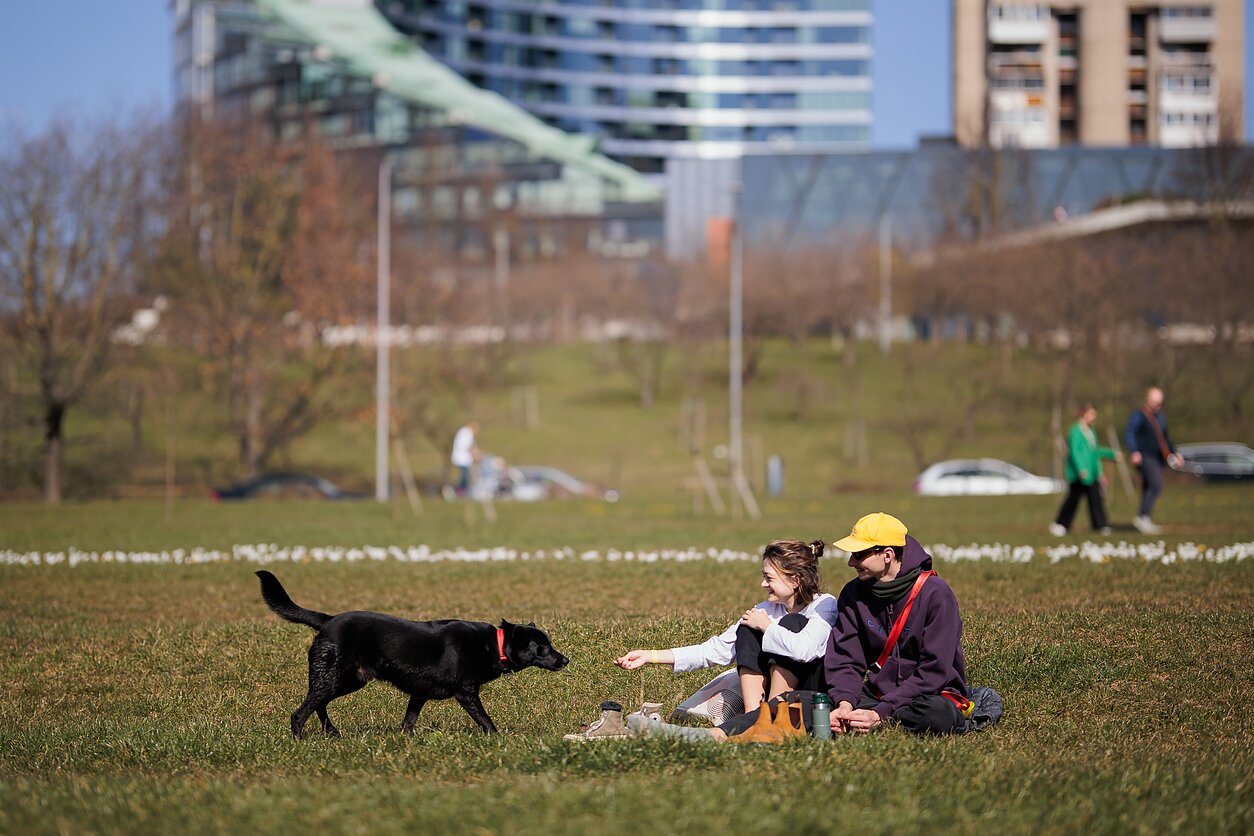
The first week of April greeted Lithuania with some serious weather anomalies. Over the Easter weekend, the month’s heat record was smashed, as the temperature in the resort of Druskininkai rose to a whopping 25.5 degrees. The rest of Lithuania also enjoyed unusually warm weather, with people everywhere coming out to bask in the sun.
But the winter coats were not put aside for too long. On Wednesday, the temperature dropped almost 20 degrees, and some regions were again covered in snow. The good news is that the warmer weather is expected to return at the start of next week. Once it does so, here are some ideas for spring travel to admire the awakening Lithuanian nature.
NATO SUCCESSION
On October 1 this year, the term of NATO Secretary General Jens Stoltenberg will come to an end. For a long time, the Baltics have advocated for the next NATO head to come from the alliance’s eastern flank, naming Estonian Prime Minister Kaja Kallas and Lithuanian Prime Minister Ingrida Šimonytė among the suitable candidates. But as Dutch Prime Minister Mark Rutte has been rising in popularity as the most likely successor to Stoltenberg, the Baltics have given up hope.
This week, Rutte paid a visit to Vilnius, where the Lithuanian president backed his candidacy to become NATO secretary general. According to Nausėda, the Dutch PM is someone who understands the threat of Russia and the need to reinforce the defences of NATO’s eastern flank. What’s not to like? In an interview with LRT, Rutte also stressed that the Baltics’ border with Russia and Belarus is NATO’s collective border, which will be defended if necessary.
HAVANA SYNDROME IN VILNIUS
Havana Syndrome is a mysterious medical condition usually experienced by US diplomats stationed abroad. Its symptoms include nausea, dizziness, difficulty concentrating etc., allegedly caused by “directed energy weapons”.
The syndrome was first reported in 2016 in the Cuban capital, hence the name. Now, there are suspicions that the “weapon” that purportedly causes Havana Syndrome symptoms was also used in Vilnius during the NATO summit last summer against a high-ranking US Defence Department official.
The Lithuanian institutions say they have no information about the use of the Russia-attributed weapon in the country, and the information about the incident is limited.
BREAKING STEREOTYPES
Remember the G-spot of Europe campaign to promote tourism in Vilnius? “Nobody knows where it is but when you find it – it’s amazing,” it proclaimed. The campaign received mixed reactions, with some praising its boldness, and others criticising its vulgarity. One thing is clear – the campaign was successful, as it received a great deal of attention, both in Lithuania and abroad.
Now, Vilnius is hoping to repeat at least some of the success with a new bold campaign, inviting foreigners to break stereotypes about the city. It is bound to be controversial again, with some Vilnius residents already saying the campaign video is derogatory.
MIGRATION SHIFTS
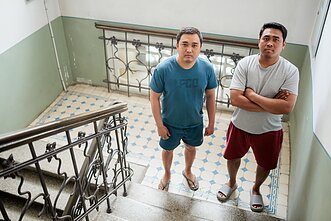
The number of Ukrainians living in Lithuania is decreasing, as some war refugees are returning home. However, immigration from Central Asian countries is on a steep rise. The reason is businesses shifting focus from bringing workforce from Belarus or Ukraine to Uzbekistan, Kyrgyzstan, Tajikistan, Azerbaijan, and Kazakhstan, according to the Migration Department.
EDITOR’S PICKS
– “What does Lithuania look like in the eyes of the world?” is the question posed by a recent data analysis study. The results reveal that the country is no longer seen as first and foremost a land of basketball.
– On March 29, 2004, Lithuania, Latvia, Estonia, and four other countries became full members of NATO. However, the door to the alliance was difficult to open, as the Baltic states were considered to be behind the “red line” for a long time.
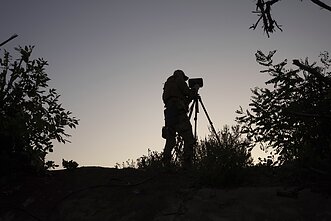
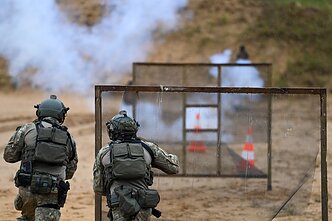
– Lithuania’s elite special operations force could recruit twice as many officers as it has now, but very few candidates can pass the demanding selection tests.
Written by Ieva Žvinakytė
Edited by Justinas Šuliokas
Would you like to contribute to LRT English? Please send your suggestions, submissions, and pitches to english@lrt.lt

Newsletter
Every Friday morning.