











The Lithuanian military has brought together its leading drone experts to form a special new unit, while the armed forces on the ground are also set to receive a major boost with over 900 Patria armoured personnel carriers.
Until now, the name ANBO had been associated exclusively with Lithuanian aviation history – the aircraft designed by General Antanas Gustaitis and his innovations. Once, ANBO stood for “Antanas Nori Būti Pre” (Antanas wants to be in the air). Today, ANBO stands for the Autonomous Remote Unmanned Operations unit.
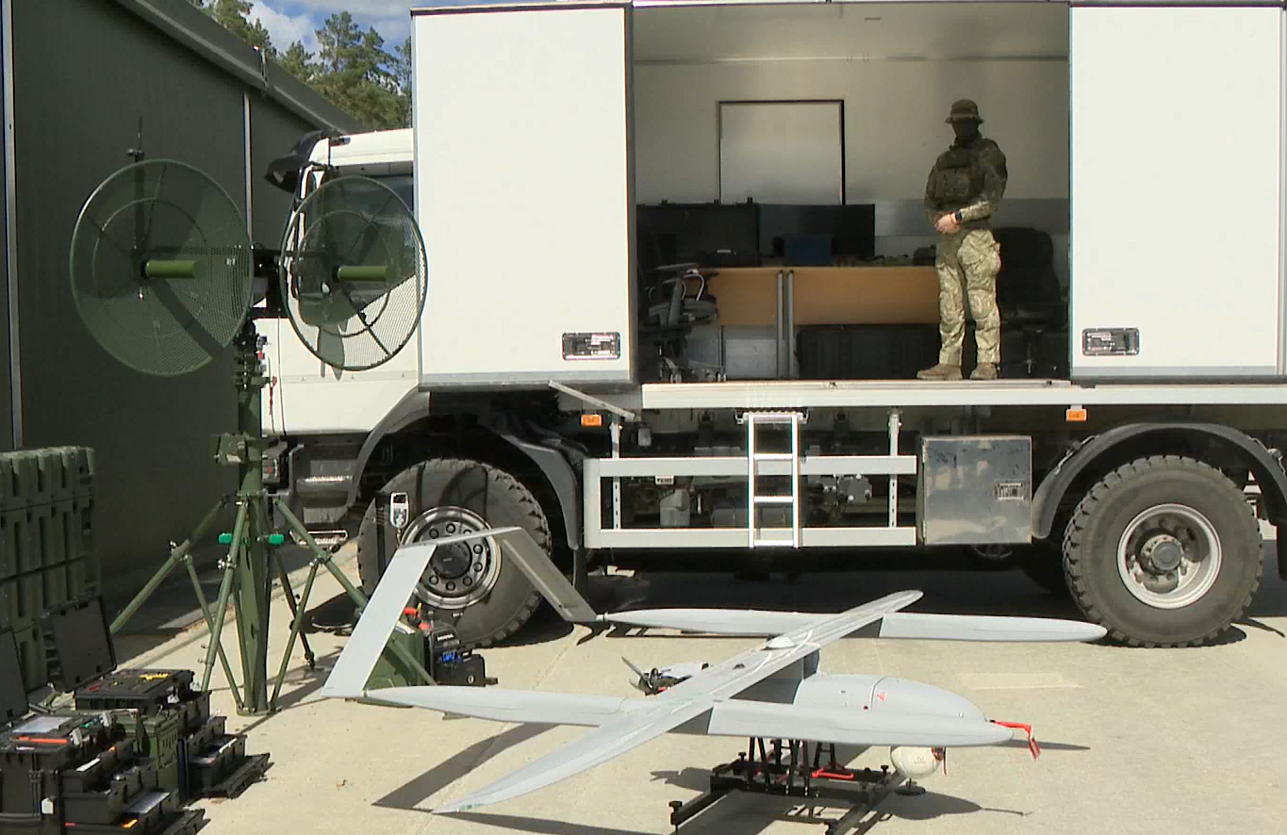
The military has consolidated its drone capabilities into a single force with its own command structure and objectives. More importantly, ANBO is designed for offensive operations.
“[We are interested in] the area more than 100km deep into enemy territory. We are already talking about prototypes by Granta Autonomy and Rheinmetall with a range of 200km. Those are the kinds of distances we are discussing, targeting objectives in hostile territory and thereby shifting the battlefield into enemy territory,” said Raimundas Vaikšnoras, commander of the Lithuanian armed forces.
The war in Ukraine has led the Ukrainian military to introduce a separate branch dedicated to drone warfare alongside its land, naval and air forces. Russia, meanwhile, has established Rubikon, a specialised drone force responsible for developing innovations and new products and testing them directly on the battlefield.
In Lithuania, the ANBO unit will also test various drones and provide guidance to the industry. The country’s Defence Ministry is establishing a new department that will provide civilian expertise and support.
While the military has already trained more than 1,000 drone operators, the significantly smaller ANBO personnel group will remain anonymous for security reasons.
“They will not be publicly visible because, as we have learned from Ukraine, such specialists are high-value targets for the enemy. [...] These people will continue their work and the public will probably hear about the results, but not about who carried them out,” Vaikšnoras said.
Patria APCs
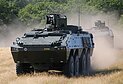
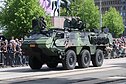
Lithuania’s State Defence Council has also approved the purchase of Finnish-made six-wheeled Patria armoured personnel carriers.
By 2030, Lithuania is expected to receive 300 units, while the overall order is expected to be over 900 vehicles. The country is seeking to manufacture the armoured vehicles in Lithuania, at least in part.
According to Defence Minister Robertas Kaunas, the Patria vehicles can be adapted for a variety of tasks, but the key point is that such a number will provide protection for thousands of troops.
This means the Patria vehicles will replace the remaining M113 tracked armoured vehicles still used by the military. Most of Lithuania’s fleet was already donated to Ukraine.
Meanwhile, Kaunas said the Patria purchase would not come at the expense of air defence systems.
“We should not pit different domains against one another. The acquisition of these systems does not take away any money from air defence procurement. On the contrary, we reviewed other acquisitions – for example, ships, which will also be needed – but postponed them until after 2030 in order to free up funds for strengthening air defence,” Kaunas said.
The minister also said the situation regarding drone procurement should improve soon.
“The Defence Resources Agency has been instructed to purchase three or four test batches of different types of interceptors as quickly as possible so we can test them simultaneously. I personally visited Lithuanian defence industry companies and drone manufacturers.
“We discussed technical details – for example, if we purchase a certain number of different drones, will manufacturers ensure regular software updates every two to three months, as we see is necessary in Ukraine? These negotiations are underway, and it seems we will reach agreements, meaning some issues should move forward much faster,” the defence minister said.