


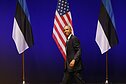






European Commissioner for Defence and Space has said Lithuania does not yet have a clearly defined strategy for strengthening its air defence capabilities.
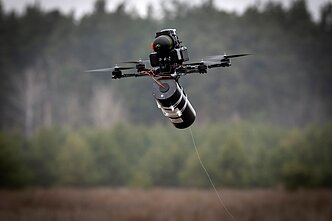
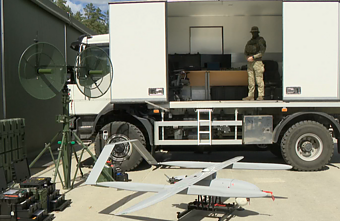
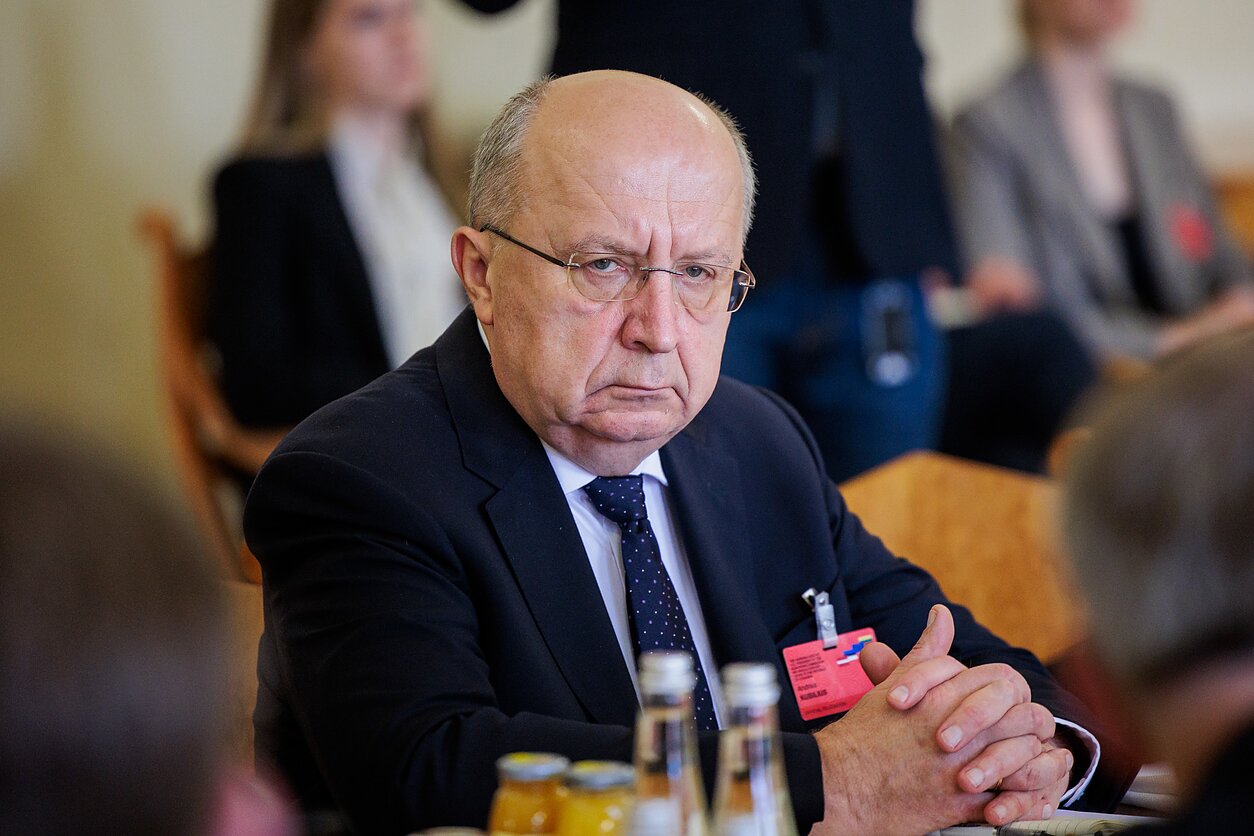
“We hear about developments in Estonia and Latvia. For example, a year ago they began developing sonar or acoustic detection systems. In Lithuania, we hear less about concrete plans,” Kubilius told reporters at the Lithuanian parliament on Monday.
“We hear about various acquisitions, such as armoured vehicles, but it is difficult for me to say how we intend to strengthen our air defence,” he added.
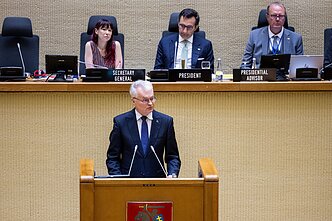
Kubilius made the remarks while attending the spring session of the NATO Parliamentary Assembly in Vilnius.
He said Lithuania and its allies must better understand the realities of modern warfare, draw lessons from Ukraine, consult Ukrainian experts and strengthen regional cooperation.
The commissioner pointed to Croatia’s recent decision to spend around €1bn on 12 French-made Rafale fighter jets, arguing that air power continues to play a critical role in modern conflicts.
“Looking at Ukraine’s air defence systems, it is clear that F-16 fighter aircraft play a major role in intercepting cruise missiles,” he said.
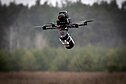
“What Lithuania’s air defence concept is, how it plans to strengthen these capabilities and fundamentally improve protection against drones, is still difficult for me to say today.”
Lithuania’s Ministry of National Defence has previously announced plans to allocate an additional €500m towards an integrated air defence system by 2030.
Kubilius also said Europe must prepare for a future reduction in the US military presence on the continent.
“In this regard, it may be more important to focus not on the number of troops that could be withdrawn, but on so-called strategic enablers, such as aerial refuelling, heavy-lift transport aircraft and airborne reconnaissance capabilities,” he said.
“We need to start investing in these collectively and seek solutions within both NATO and the European Union.”
According to Kubilius, German analysts estimate it could take Europe around five years to replace key US military support capabilities, at a cost of roughly €500bn.
He argued that such investment would be achievable if European countries meet plans to spend at least 5% of GDP on defence by 2035.

Newsletter
Every Friday morning.