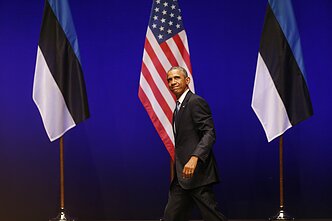

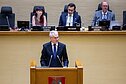
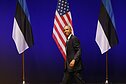








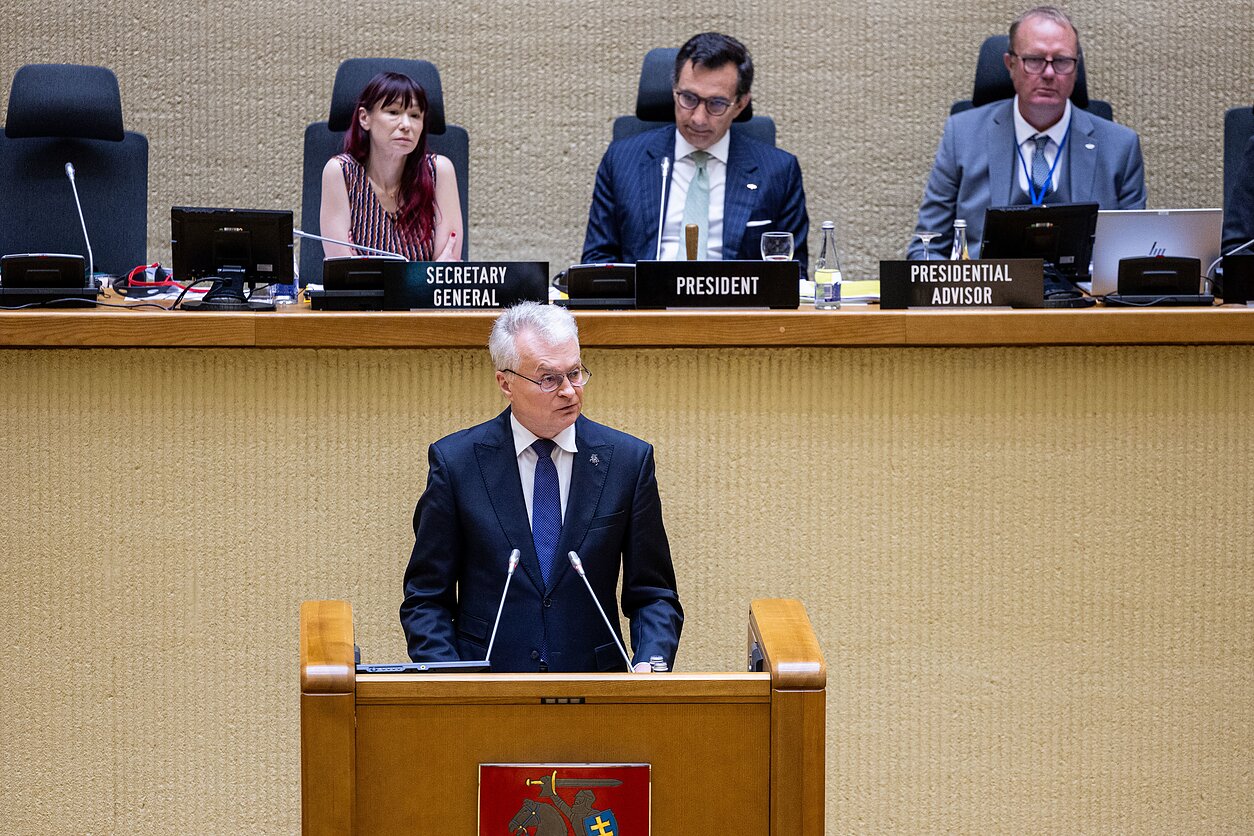
President Gitanas Nausėda said on Monday that European discussions on who should represent the continent in potential Ukraine peace talks with Moscow do not reflect security needs.
"At this point, there is also no escaping the fact that the future of European security is being decided in Ukraine. But first, Russia must be stopped. It has to be contained, not courted. Renewed calls for engagement with Moscow do not reflect Europe’s security needs," the head of state told the NATO Parliamentary Assembly’s spring session in the Seimas on Monday.
"Failing to set clear conditions and build credible deterrence would be more likely to embolden the aggressor than moderate its behaviour," Nausėda said.
The EU foreign ministers recently discussed potential conditions for negotiations with Moscow, agreeing to work through the bloc’s institutions. Discussions on dialogue with Russia have intensified as American efforts to end the war reached a stalemate and US President Donald Trump shifted focus to other international issues.
Public reports have also surfaced regarding Russian President Vladimir Putin’s suggestion that former German Chancellor Gerhard Schroeder could represent Europe in negotiations, an idea that was rejected in Europe.
Addressing the NATO Parliamentary Assembly, Nausėda also urged increased support for Ukraine. He said that if every NATO member allocated 0.25 percent of its GDP to Ukraine annually, about 143 billion dollars (122.7 billion euros) could be raised.
The president stressed that the issue is not a lack of resources but a lack of political will and fair burden-sharing, noting that Ukraine has already "won precious time" that must not be wasted.
NATO Secretary General Mark Rutte has proposed a similar 0.25 percent GDP support model for Ukraine, but major European capitals have not endorsed it.
Lithuania has committed to providing annual security and defence support to Ukraine, amounting to 0.25 percent of its GDP.
Nausėda also said NATO must not seek alternatives to the transatlantic bond but should strengthen it, particularly in light of US plans to reduce troop numbers in Europe.

Newsletter
Every Friday morning.