





More than half of Lithuanians either do not plan to have children or remain undecided, according to a new survey that highlights growing anxiety about the future, difficulties forming relationships and rising social isolation in the country. To address the looming demographic crisis, the government is even suggesting to organise dances.
The poll, commissioned by the Crisis Intervention Centre (Krizių įveikimo centras), found that 40% of respondents do not plan to have children, while another 14% remain undecided. Only around one-quarter said they intend to start or expand a family.
A decade ago, entrepreneur Erika Purauskytė had no plans to become a mother. Focused on building her company, she associated family life with exhaustion and unequal burdens placed on women.
“I had examples around me,” she said. “In the families I saw, women carried an enormous and disproportionate workload.”

But her outlook changed unexpectedly after the birth of her first daughter, and later her second child.
“I realised life is not only about rational things,” Purauskytė said. “There are intangible things too – a sense of meaning, love – and that compensates for all the difficulties.”
Her story contrasts sharply with broader demographic trends that experts say are becoming increasingly worrying in Lithuania, where low birth rates and emigration have fuelled concerns about long-term population decline.
Researchers say many Lithuanians now treat family planning less as a life milestone and more as a practical financial calculation.

“Family planning falls into a third-tier priority group,” said Eleonora Šeimienė, head of research company Hubel, which conducted the survey. “People think about it similarly to buying housing or making major household purchases.”
Respondents most frequently cited the inability to find a suitable partner, uncertainty about the future and emotional unreadiness as reasons for postponing or rejecting parenthood.
Mental health specialists say the findings reflect a broader deterioration in emotional well-being.
“If in 2019 around 30% of Lithuanians experienced anxiety, insomnia, irritability or withdrawal from communication, today that number has risen to 56%,” said Kristina Lymantaitė of the Crisis Intervention Centre.
Experts warn that if such trends continue, the consequences may extend beyond demographics.
“If we fail to create close relationships, families and connections with children, which are a huge source of emotional support, we risk becoming an isolated and lonely society,” said psychologist and psychotherapist Jūratė Činčikaitė.
Finding a partner is another source of frustration for many. Specialists pointed to drawbacks of online dating, where digital platforms often prioritise appearance over deeper connection, making it harder for people to build lasting relationships.
Even the government is now looking for ways to intervene at that stage. Social Security and Labour Minister Jūratė Zailskienė said the government plans to encourage more in-person social interaction through a campaign expected this autumn.
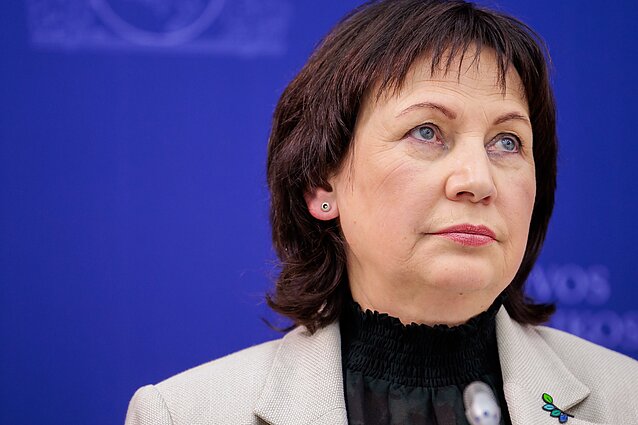
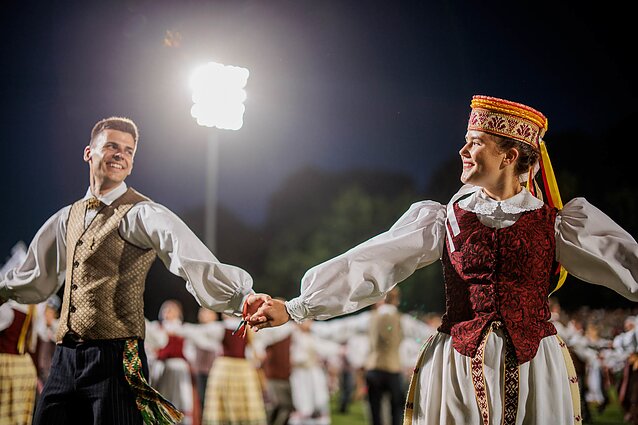
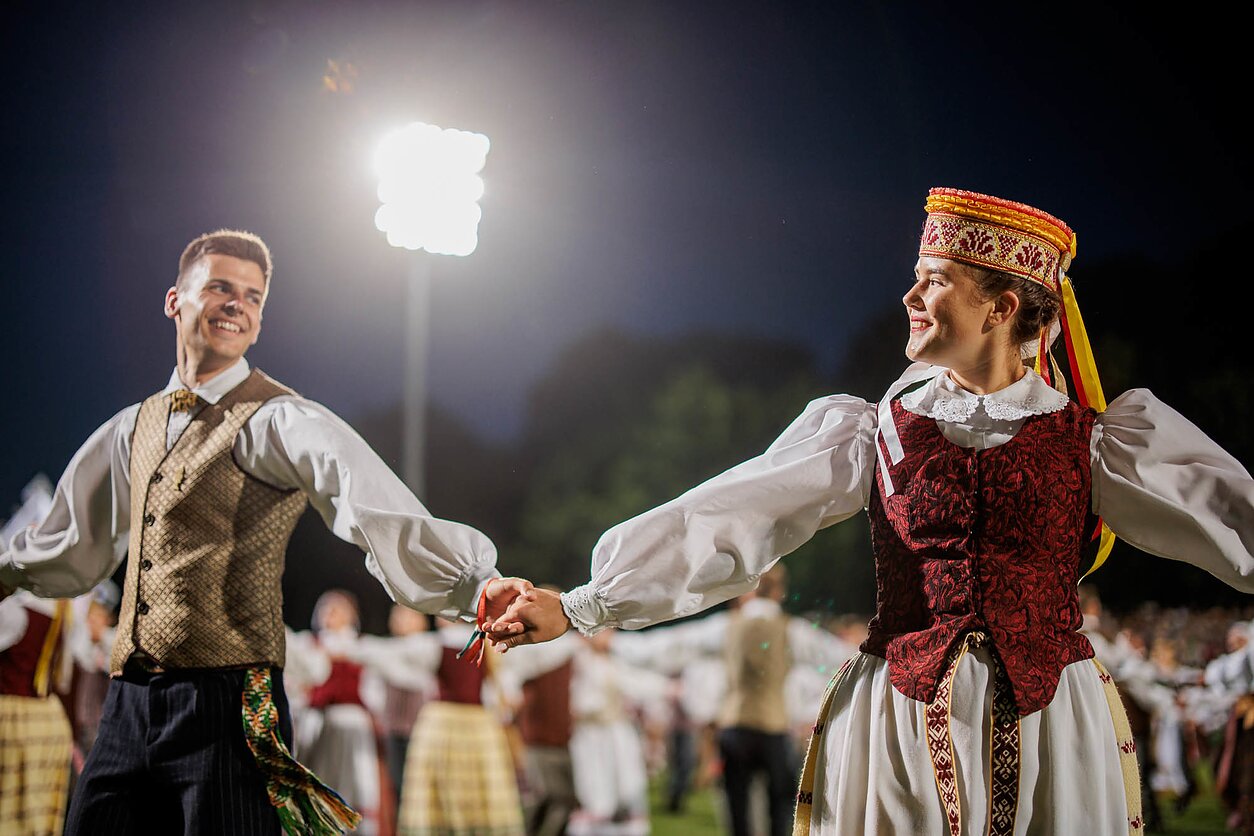
“We are thinking about organising events where people could meet, dance and connect,” the minister said. “We need to look at one another again, build families and help Lithuania, because this is not funny anymore.”
While this suggestion has drawn some mockery online, there are more measures in the plans. Zailskienė has raised the possibility of expanding access to assisted reproduction services – currently limited to only married couples – estimating that broader availability could increase annual births by at least 700 children.

Newsletter
Every Friday morning.