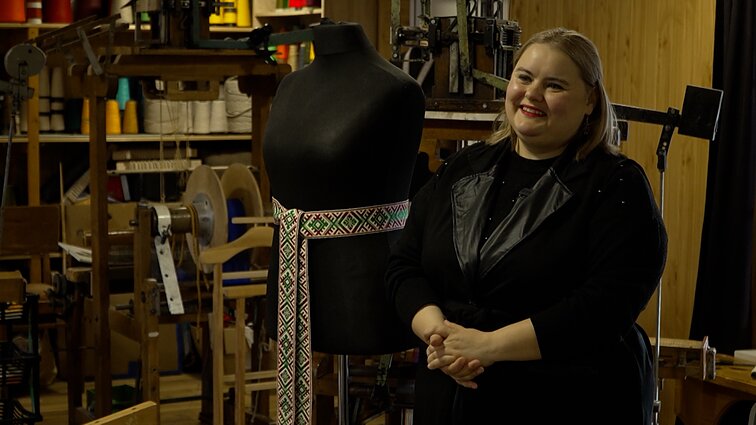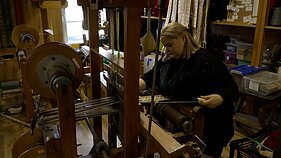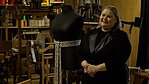














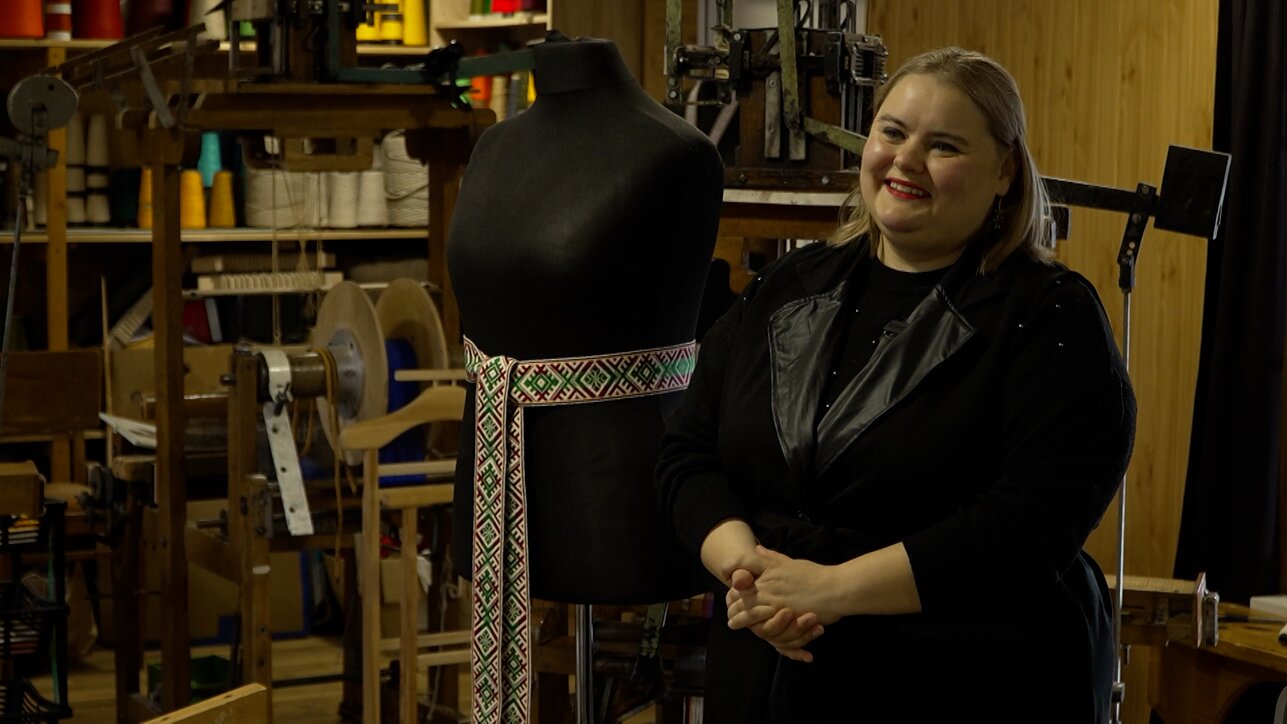
The rhythmic clatter of a loom fills a farmhouse in rural Lithuania from morning to evening, most days of the year. For Urtė Salikaitė-Pranckūnienė, a traditional textile artist based in the small village of Uliūnai in northern Lithuania, that clatter is the sound of home.
"My mother and I are so used to it that we don't even notice," she says. "But whenever someone visits for the first time, they look horrified – 'How do you stand this all day? It's deafening!' We don't hear it anymore. You just adapt."
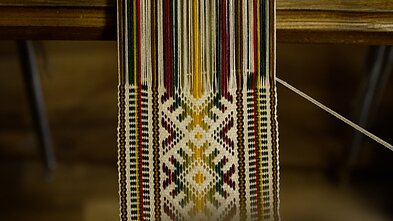
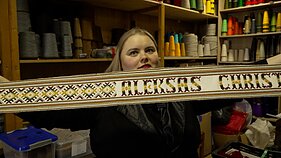
At the heart of Urtė's practice is the weaving of traditional Lithuanian sashes – long, intricately patterned woven bands that have been used for centuries in ceremonies, folk costume and ritual. The craft is listed by Unesco as an intangible cultural heritage, and demand, she says, has never been stronger.
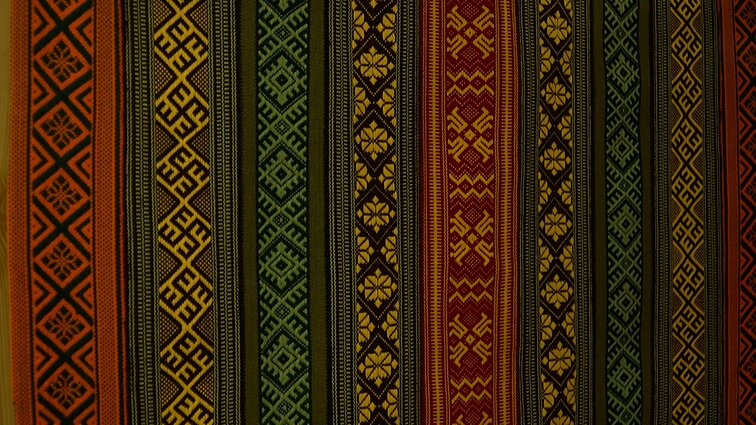
Her commissions range from the intimate to the extraordinary. Each year she weaves hundreds of sashes for Lithuanian-American graduation ceremonies in the United States, where the tradition of presenting a hand-woven sash to school-leavers has been preserved by diaspora communities.
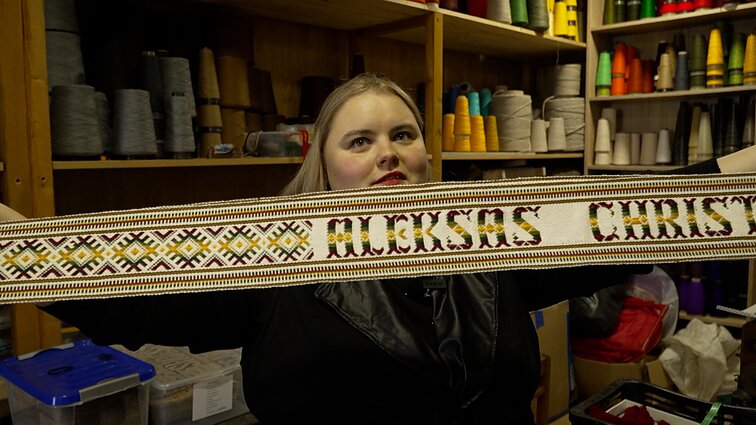
This year she is producing two hundred ceremonial sashes for Lithuania's Song Festival, a vast choral gathering held every five years that draws tens of thousands of singers and is itself a Unesco-recognised tradition.
One commission stands out in her memory above the rest. "Last year we wove a sash for someone who had just climbed Everest," she says. "That one stays with you."
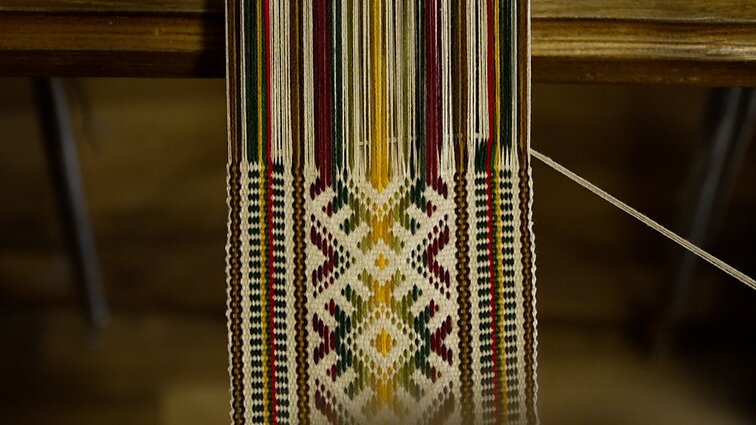
Her work has also crossed into the contemporary art world. Designer Agnė Kuzmickaitė and artist Indrė Šerpytytė have both incorporated her woven pieces into their own work, blurring the boundary between folk craft and fine art.
Urtė has been selling her work for nearly fifteen years, but she learned the craft earlier than that, taught by her mother, Violeta Valentonytė, herself an established folk artist. The apprenticeship, she admits, was not always smooth.
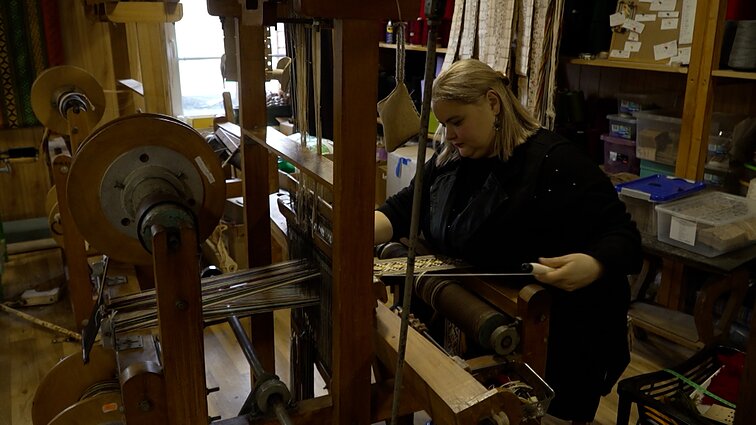
"Perhaps it's better to be taught by a stranger. A stranger tells you something once and you listen. Your mother tells you the same thing a hundred times and you think, 'Yes, yes, I know better.' And then, after that hundredth time, you finally realise – actually, she does know better. We've had arguments at the loom. We've cried at the loom. Everything happens at the loom."
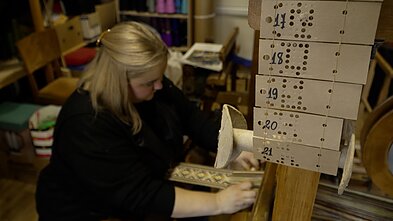
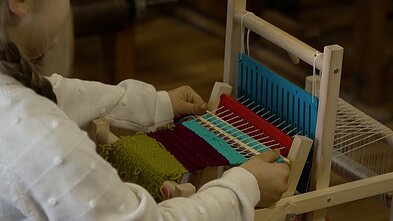
The workshop houses five Jacquard looms – mechanically assisted devices that allow complex patterns to be programmed in advance, speeding up production without removing the need for skill and judgement. Even Urtė's young daughter has her own small toy loom, already learning the basics by working on a scarf for her father.
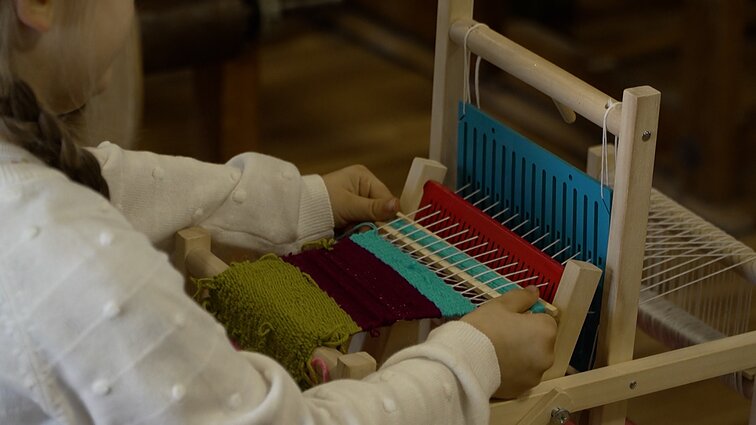
The use of modern equipment prompts a question Urtė has trouble answering: is it handmade?
"A seamstress doesn't sew everything by hand anymore either," she says. "Does that mean it isn't craftsmanship? Is it made by hand, by foot, by the whole body? And the loom is sensitive – or at least it feels that way. If you come to it in a bad mood, it shows. The weaving just doesn't come out right."
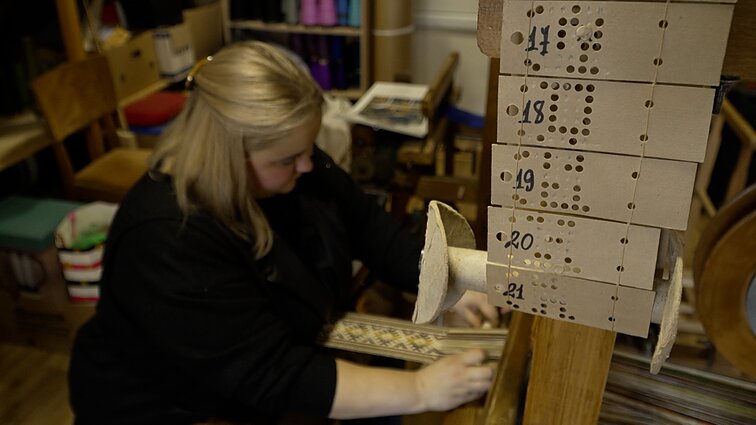
When Urtė began weaving as a young woman, the reaction from those around her was more bafflement than admiration. "People would say: 'You're young – and you weave? Who buys that? Does anyone even care?'" she recalls.
The mood has shifted considerably. For the past five years or so, traditional crafts have been enjoying a quiet renaissance across Lithuania, with growing numbers of younger people seeking to learn skills that seemed, not long ago, destined to disappear.
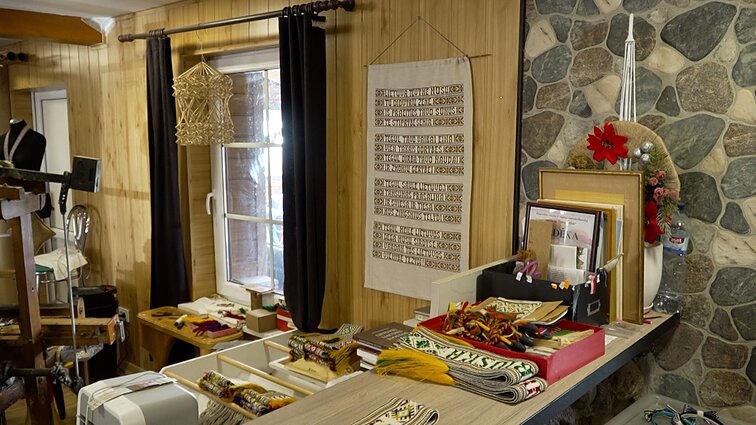
"Now that everything is coming back, it's much more interesting, and there's much greater demand," she says. If she had more hours in the day, she would take on apprentices.
For Urtė, the loom is no longer simply a livelihood. It is, she says, a source of calm – and a way of keeping something alive that deserves to endure.

Newsletter
Every Friday morning.