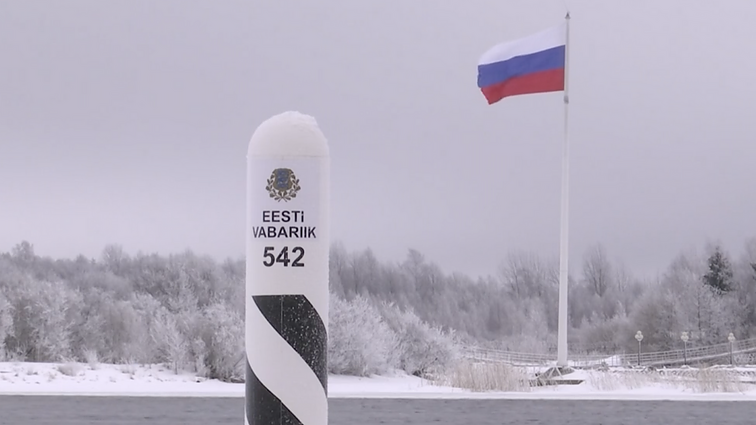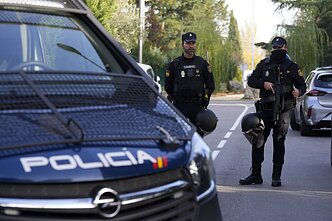






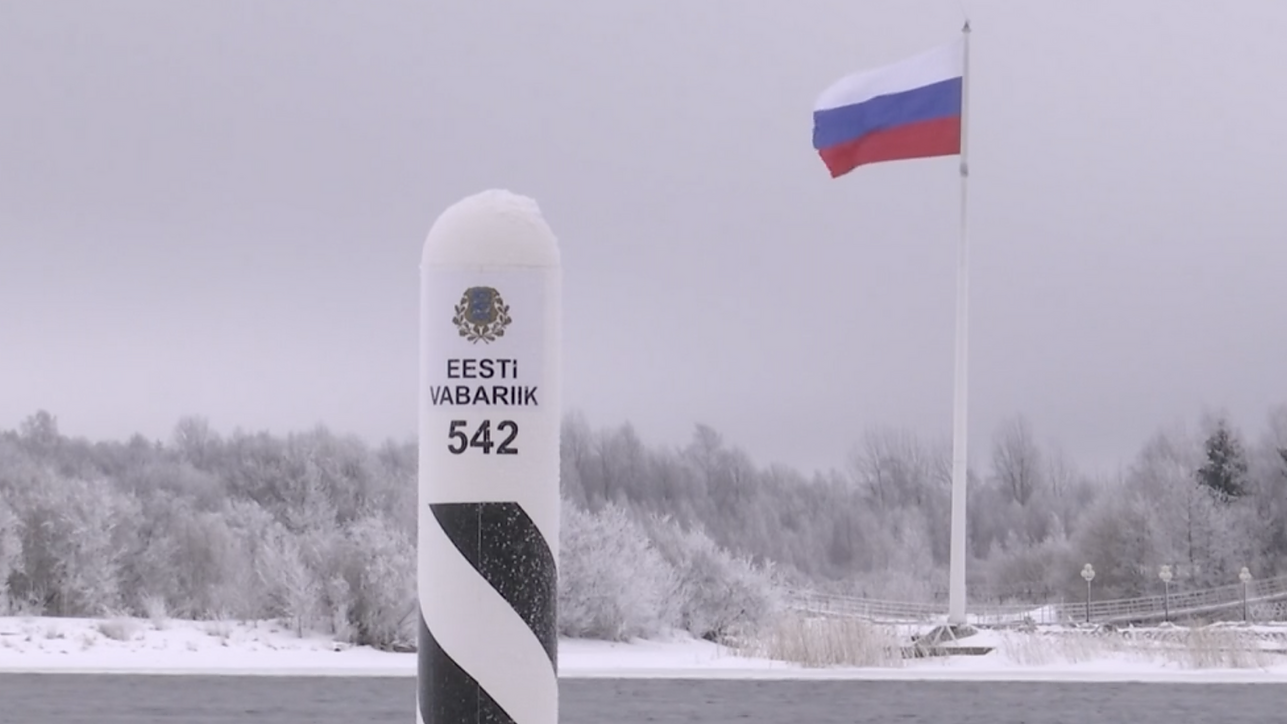
The Ministry of the Interior imposed an entry ban to Estonia last week on 261 Russian combatants who had taken part in the war of aggression against Ukraine.
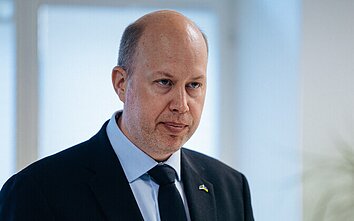
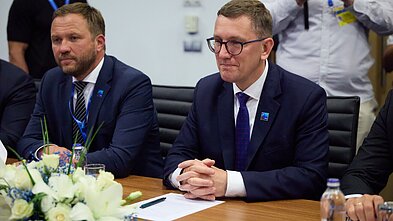
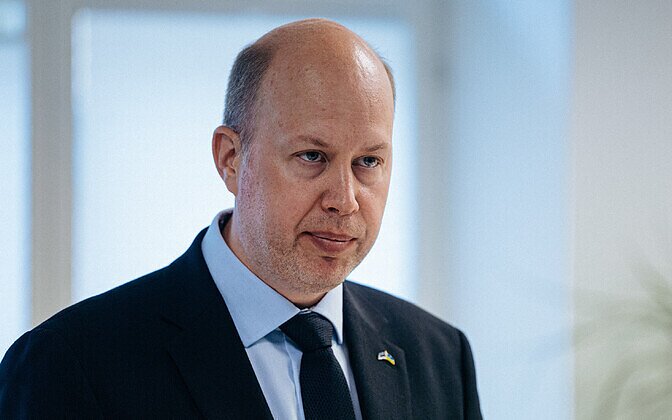
Interior Minister Igor Taro (Eesti 200) said the bans are unavoidable, as those who have committed atrocities in Ukraine in the name of Vladimir Putin have no place in a free and democratic world.
"There is no doubt that these are individuals with a hostile attitude toward Europe. They have combat experience and military training. They often also have a potential prior criminal background. In addition, they have been psychologically traumatized. The threat posed by them is not just abstract. It includes both the possible conducting of tasks for Russian special services and participation in organized crime," Taro said.
Joosep Kaasik, undersecretary for internal security at the ministry, added that the bans are only the first, with more to follow.
The decision to impose the entry bans did not come overnight. The issue was first discussed more broadly in the summer of 2025 at a meeting of Nordic and Baltic interior ministers held in Estonia. Since then, according to Kaasik, Estonia has repeatedly raised and substantively addressed the issue at various EU-format discussions.
"Our hope is that other countries will soon follow Estonia's initiative. The top priority is to create a unified, Schengen-wide blacklist and to impose a ban on issuing Schengen visas and EU residence permits to all identified former Russian combatants," Kaasik went on.
Up to 1.5 million Russian citizens are estimated to have taken part in Russia's armed aggression. Nearly half of these, or 640,000, are still on the front line.
The Ministry of the Interior reports the total number of serious crimes involving the use of violence inside Russia itself reached a 15-year high in the first half of last year. Over 333,000 crimes of this category were recorded. The rise has been linked to the mass return from the frontline of previously convicted criminals who have also seen military action.
Minister of Foreign Affairs Margus Tsahkna said the ban "is only the beginning."
"We will keep working to ensure the door stays closed to Russian ex-combatants, and we call on other countries to do the same," he added via a tweet.
Estonia 🇪🇪 imposed entry bans on the first 261 of Russian combatants who took part in the war of aggression against Ukraine 🇺🇦 - and this is only the beginning.
— Margus Tsahkna (@Tsahkna) January 12, 2026
Hundreds of thousands of fighters from the aggressor state have been involved in this brutal war, committing…
Last June, ministers from Latvia, Lithuania, Finland, Norway, Sweden and Poland as well as Estonia met in Tallinn to propose a Schengen zone visa ban for members of the Russian armed forces and "other armed groups" who have participated in the war against Ukraine. This ban would remain in place after the war had ended.
Originally published: January 12, 2026; 10:22 GMT+2

Newsletter
Every Friday morning.