




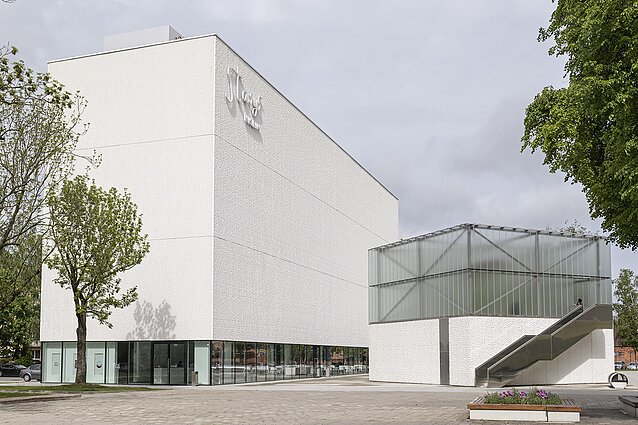
Panevėžys, a town about 130 km north of Vilnius, is now home to a striking new cultural landmark: the Stasys Museum.
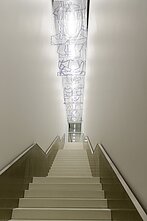
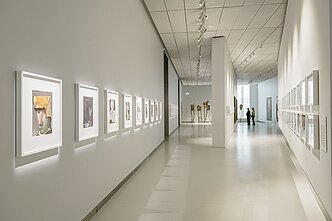
Housed in a modern, functional four-storey building, accessible by lift and stairs, the museum stands on the site of a former cinema – a detail that still causes some consternation among local film buffs. Designed by IMPLMNT architects, the museum's exterior presents a bold, minimalist statement: a large, solid rectangular white block, with light entering primarily from the top and short sides, a design choice that thoughtfully emphasises the art within.
The enduring world of Stasys Eidrigevičius
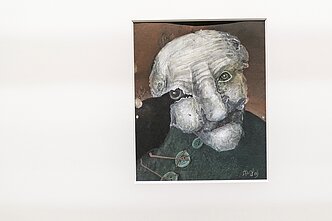
Two floors are dedicated to the work of Stasys Eidrigevičius, a native of Panevėžys. His early graphic art and posters quickly garnered attention for their raw artistic merit. After marrying a Polish woman he met at an art academy, Stasys moved to Warsaw at age 30.
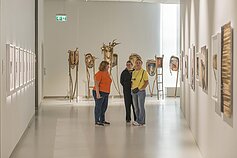
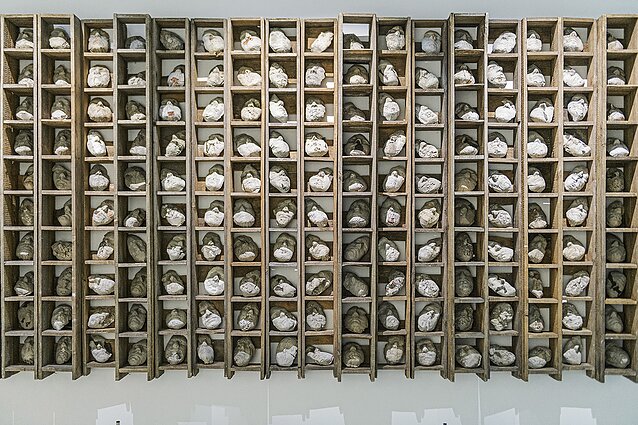
His difficult childhood is a recurring theme in his powerful work, deeply felt in pieces like the wall with hundreds of masks, each representing various forms of suffering he completed to his likeness.
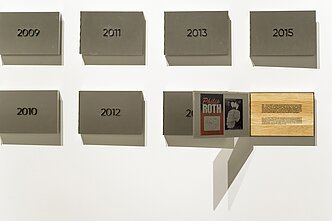
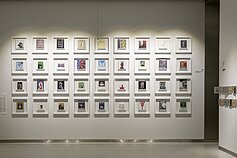
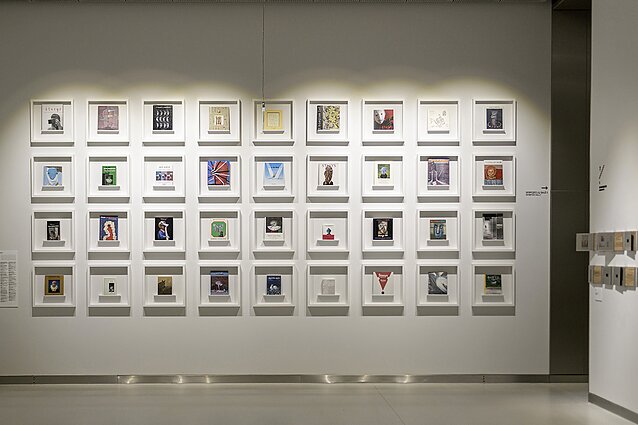
The museum showcases his diverse output, including stamps issued in various countries and a series of Ex-Libris that Stasys designed in the early 1980s using aquatint and etching, famously mailed to numerous national and international writers as far away as Japan.
In addition, he illustrated several books, such as the evocative “Rooster Crowing…”. Parts of that book are brought to life, being read aloud in front of historic photos, weaving sound into sight. Beyond static prints, some of his works were modified or saw text added for posters of diverse cultural activities, showcasing his remarkable adaptability.
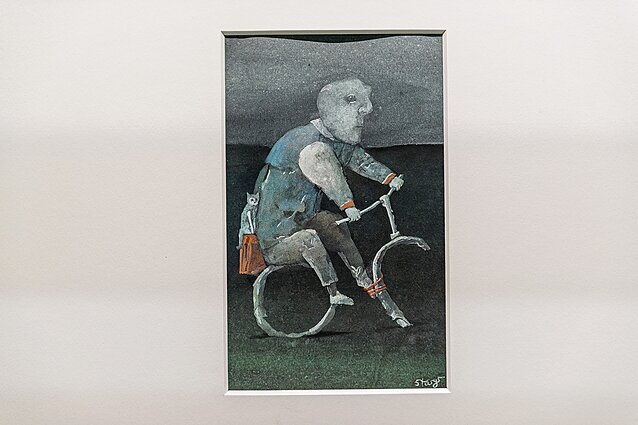
His struggles and persistent desire to move forward are powerfully encapsulated in an illustration of a man driving a bike where the front wheel mysteriously misses one half part – a poignant symbol of unwavering determination.
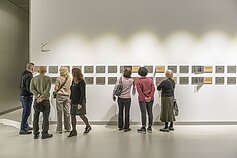
A particularly engaging display invites visitors to actively participate in the journey through Stasys’ career. Here, his work unfolds year by year, revealed behind small doors that visitors open themselves to discover each piece alongside a brief, bilingual (Lithuanian and English) story, making discovery a personal experience.
A contemporary dialogue
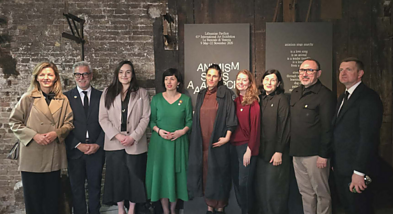
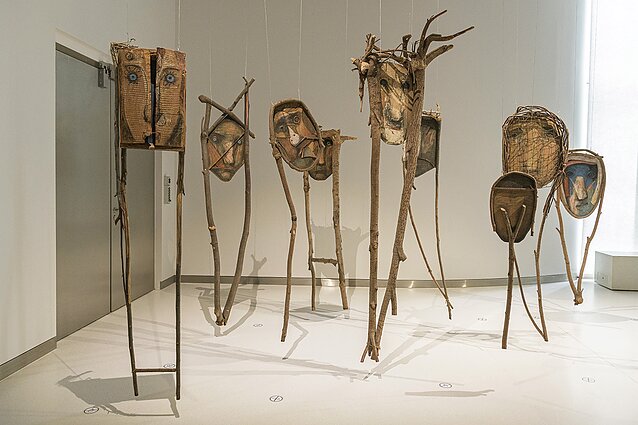
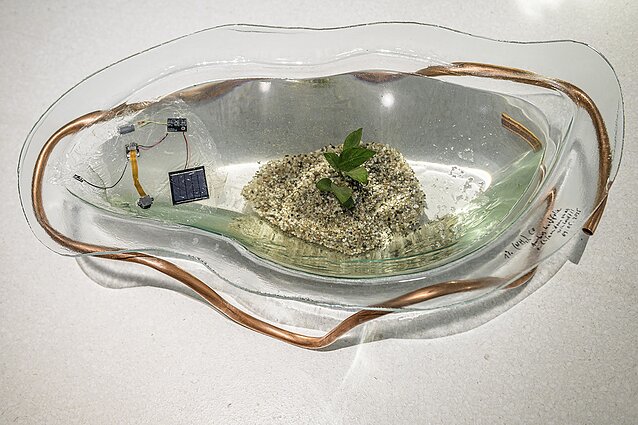
Currently, the top floor hosts the compelling temporary exhibition, And the Wind Will Take Us Away. This visually and sonically immersive experience opens with a powerful reflection on wind itself. Beyond a mere natural force, wind here symbolises the spread of both urgent warnings – from sirens echoing danger, not mythical sirens of lore – and broader geopolitical concerns that shape humanity’s existence.
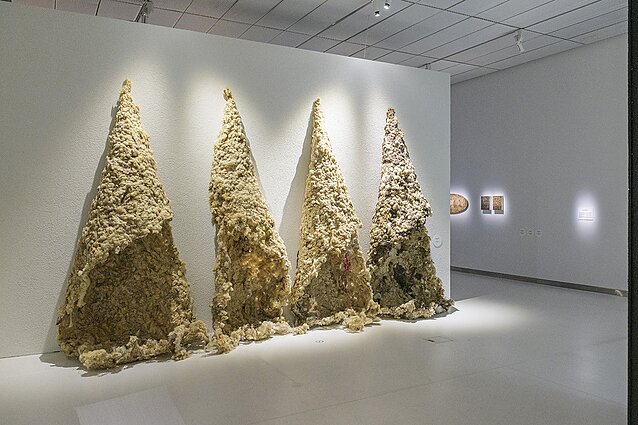
At its core, this exhibition, running until 31 August 2025, addresses globally urgent issues through scientific and artistic research. Spanning diverse disciplines and media, it features artists from the Baltics, Norway, and a particular contribution by Ukrainian artists. Profound themes explored include war, migration, the centuries-long discourse of colonialism, territorial security, trauma, cultural memory, ecology, and climate change.
Beyond the canvas
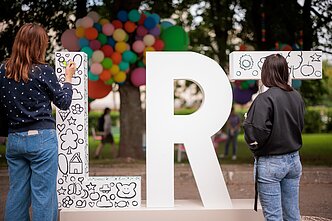
From 31 May until next March next year, the Education Space features a welcoming display for younger visitors: Children’s Forest Pavilion. The Stasys Museum, funded in part by a substantial €1 million EU subsidy, is more than just a repository of art. It's a testament to Panevėžys' growing cultural ambition, a vibrant space where the profound legacy of a local artist meets the urgent pulse of contemporary art.
While some may mourn the loss of the old cinema that once stood here, the Stasys Museum now offers a new kind of captivating experience – a place where art itself takes centre stage, casting its own powerful spell.

Newsletter
Every Friday morning.