













Swedbank has lowered its forecast for Lithuania’s economic growth this year, saying the country’s gross domestic product is now expected to expand by 3%.
The bank had previously projected 3.5% growth in January. It also revised down its outlook for 2027, forecasting 2.3% growth, 0.2 percentage points lower than earlier estimates.
Despite the downgrade, Lithuania’s economy is still expected to outperform those of neighbouring Latvia and Estonia, according to the bank.
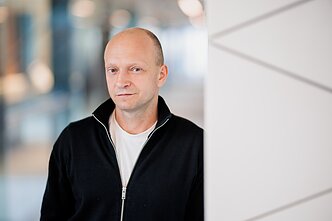
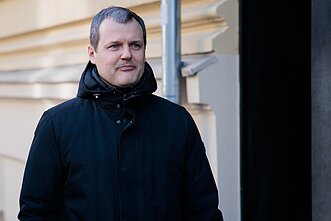
“One factor behind this year’s growth is linked to withdrawals from the second pension pillar, but there are also structural, long-term factors that distinguish Lithuania,” said Nerijus Mačiulis, Swedbank’s chief economist, presenting the updated outlook on Wednesday.
He said growth will be supported not only by consumption but also by strong export performance and record levels of manufacturing output, which has increased by 42% since 2020.
Mačiulis also pointed to a broader transformation of the Lithuanian economy, noting that exports of high value-added services exceeded 10 billion euros last year for the first time, accounting for more than 10% of GDP.
The economy is expected to expand despite higher-than-anticipated inflation. Swedbank now forecasts average annual inflation of 5.2% this year, up from a January estimate of 3.5%, making it the highest in the region.
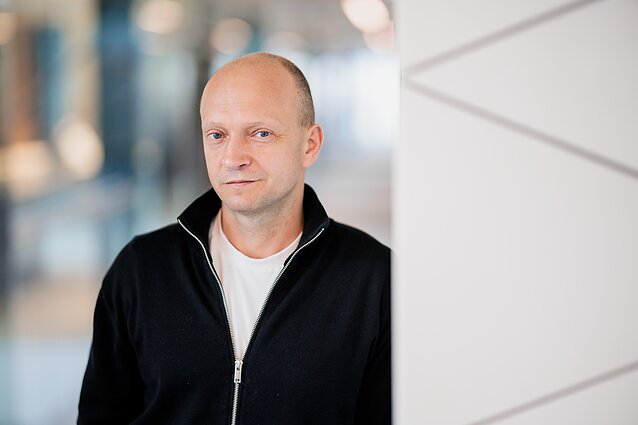
“Inflation above 5% will somewhat reduce consumption capacity,” Mačiulis said.
He attributed rising prices to higher oil and fuel costs, tax changes introduced this year and rapidly increasing labour costs. However, wages and pensions are expected to grow faster than prices overall.
Consumer sentiment has weakened at the start of the year amid rising inflation, though households remain relatively optimistic about their personal finances compared with their outlook for the broader economy, he added.
Swedbank expects GDP growth to be further supported by positive net migration, as well as continued investment from both the private and public sectors.
The bank forecasts average wages will rise by 8% this year, unchanged from its January projection, while unemployment is expected to reach 6.8%, slightly below the previous estimate of 7%.
Mačiulis said wage growth is slowing to a more “sustainable” pace.
“We should get used to the idea that future wage growth will likely remain in single digits,” he said, noting that disparities between sectors are becoming more pronounced and that some industries face greater challenges in sustaining the rapid increases seen over the past decade.
Swedbank expects wage growth to slow to 7% next year, though the outlook could change depending on decisions regarding minimum wage increases.

Newsletter
Every Friday morning.