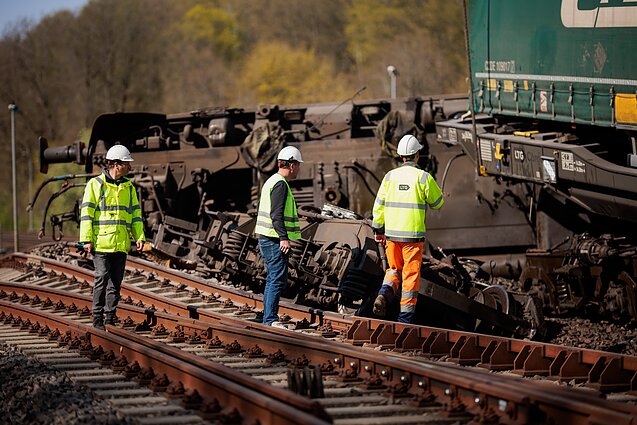









Two train derailments that occurred within 48 hours last week show no signs of sabotage and were likely caused by technical failures and human error, Prime Minister Inga Ruginienė said Wednesday.
“We do not see sabotage in these cases. In both instances, there were technical issues and human mistakes,” she told reporters after a meeting of the government’s National Security Commission.

Preliminary findings into the incidents are becoming clearer, Transport Ministry Chancellor Tomas Daukantas said.
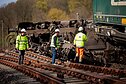
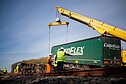
The first accident occurred Friday at Gudžiūnai station in the Kėdainiai district, where several freight wagons carrying crushed stone derailed.
Initial data suggests the derailment was caused by overheating components, including wheel bearings and running gear, according to Daukantas.
“The main cause appears to be overheating of the wagon,” he said, adding that investigators are still assessing whether the issue stemmed from poor maintenance, the condition of the wagon or a failure in the automatic rolling stock control system.
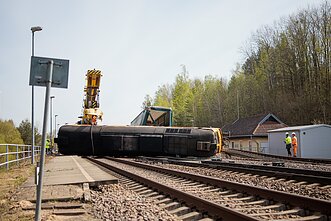
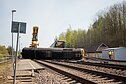
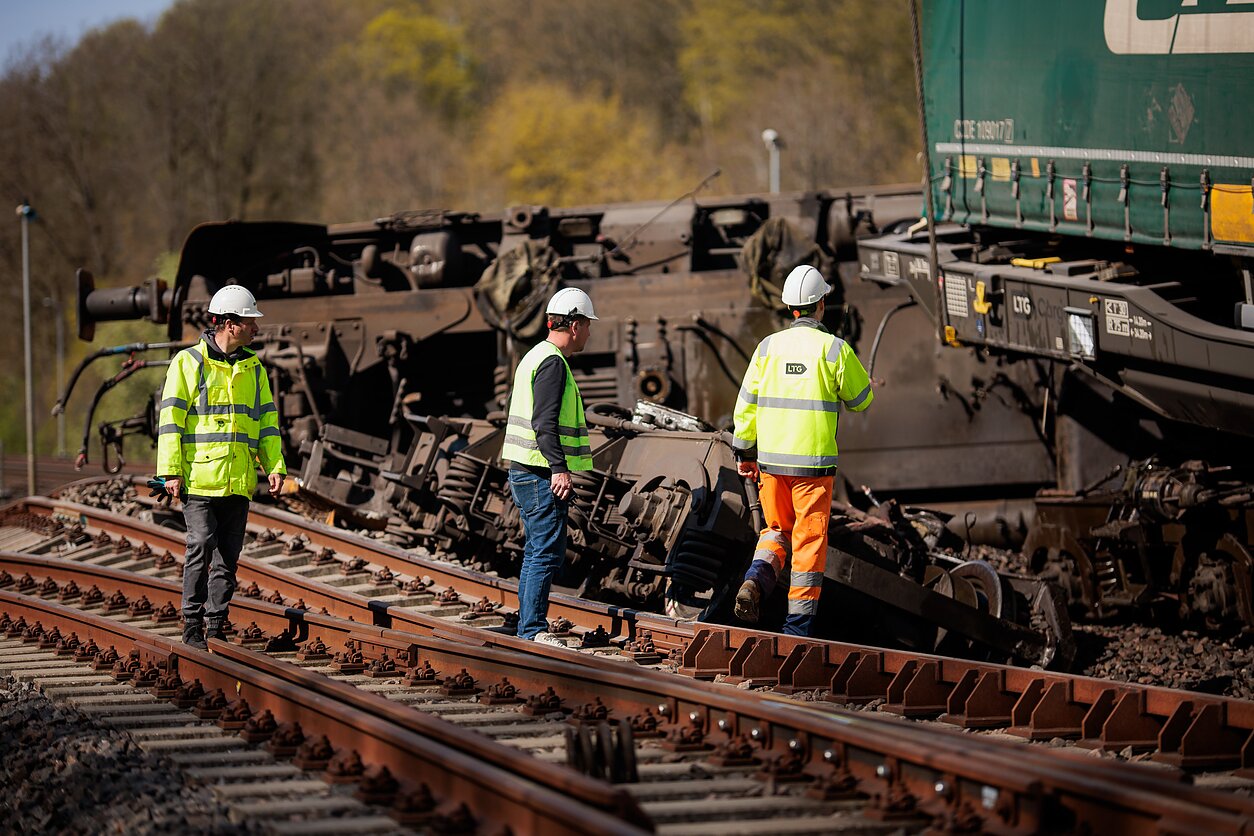
The second derailment took place late Saturday near Jiesia in the Kaunas district, when a locomotive and four freight wagons left the tracks.
Daukantas said the train, traveling on a European-gauge track, was mistakenly directed onto the wrong line.
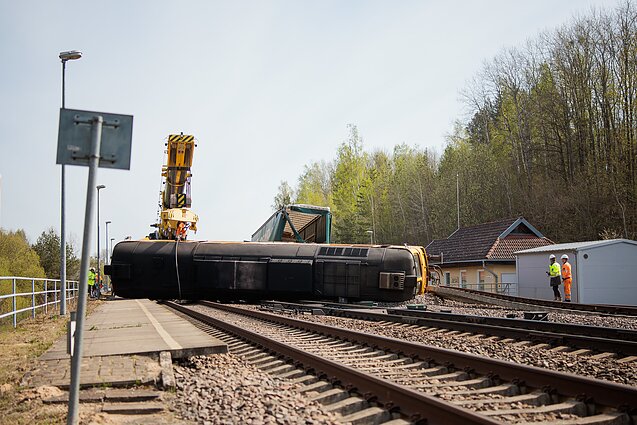
As a result, the nearly 110-ton locomotive derailed after entering an incompatible track.
He noted that safety systems require both manual switching and secondary verification, but “this double control did not function in this case”.
Safety systems under scrutiny
Earlier, Gediminas Šečkus, a representative of state-owned railway group LTG, said the Jiesia incident could have been avoided if a modern signalling system had been in place. He noted that installing such systems would require additional funding.
The derailments are under investigation by an internal LTG commission, while the Justice Ministry has launched a separate safety probe. Prosecutors in Kaunas have also opened two pretrial investigations.
The Jiesia derailment involved a train traveling from Palemonas to Duisburg, while the Gudžiūnai incident affected wagons transporting gravel.
Authorities say final conclusions will be drawn once all technical data and evidence have been analysed.

Newsletter
Every Friday morning.