












Average labour income in Lithuania grew by 12.3 per cent year-on-year and reached 1,980 euros a month, before taxes, in the second quarter of this year, according to the Social Insurance Fund SoDra. The fastest wage growth was reported in construction.
After tax, the average monthly income was around 1,230 euros, up by 124 from a year earlier, Kristina Zitikytė, adviser to SoDra’s Statistics, Analysis and Forecasting Department, told a press conference on Thursday.
In June, the average salary was a little over 2,000, before tax.
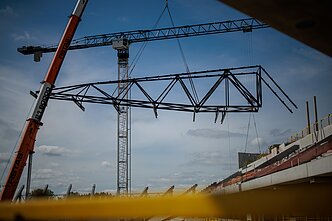
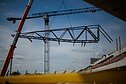
“The fastest wage growth was recorded in the construction sector, 23 percent,” Zitikytė said, adding that this could be due to new measures aimed at cracking down on undeclared incomes.
“According to data from SoDra, income growth outpaced inflation in the second quarter, with average earnings after tax rising by 11.2 percent, compared to annual inflation of 9 percent in June,” she said.

“It was still difficult to feel the growth in labour income due to persisting inflation,” added Zitikytė.
While inflation abated somewhat this year, in January Lithuania reported annual inflation of 20 percent.
According to SoDra, the average pre-tax income of the top quintile – 20 percent of earners – was 4,300 euros in June, six times the average income of the bottom quintile, 711 euros. A year ago, the difference between the highest and the lowest earners was 6.4 times.
According to Zitikytė, the decrease in the gap between the top and the bottom quintiles was due to a faster growth of low incomes, 15 percent.

Seven out of 10 workers saw their income increase over the year, while the rest saw it stay the same or decrease.
Regionally, the biggest incomes are earned in the coastal municipality of Neringa (2,800 before tax), followed by Vilnius (2,300) and Kaunas (2,000), while the lowest incomes were reported by the residents of Jurbarkas district (1,400).
Information technology professionals remain the best renumerated group, seeing their incomes grow 12 percent on average, to 4,600 euros. They are followed by software developers (4,300 euros, up 17 percent) and medical workers (4,100, up 16 percent).
Statistics suggest that the labour market in Lithuania remains stable, according to Zitikytė.
“The labour market is relatively stable in the autumn, the second quarter has been resilient, there is less activity in recruitment, but there is no rush to lay off workers either,” she said.
Further reading

Newsletter
Every Friday morning.