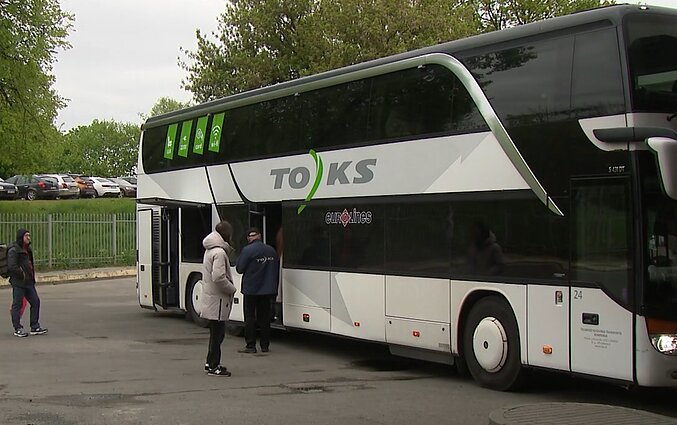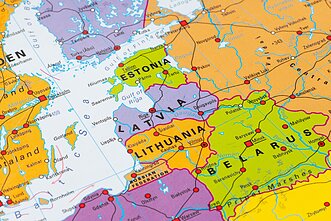














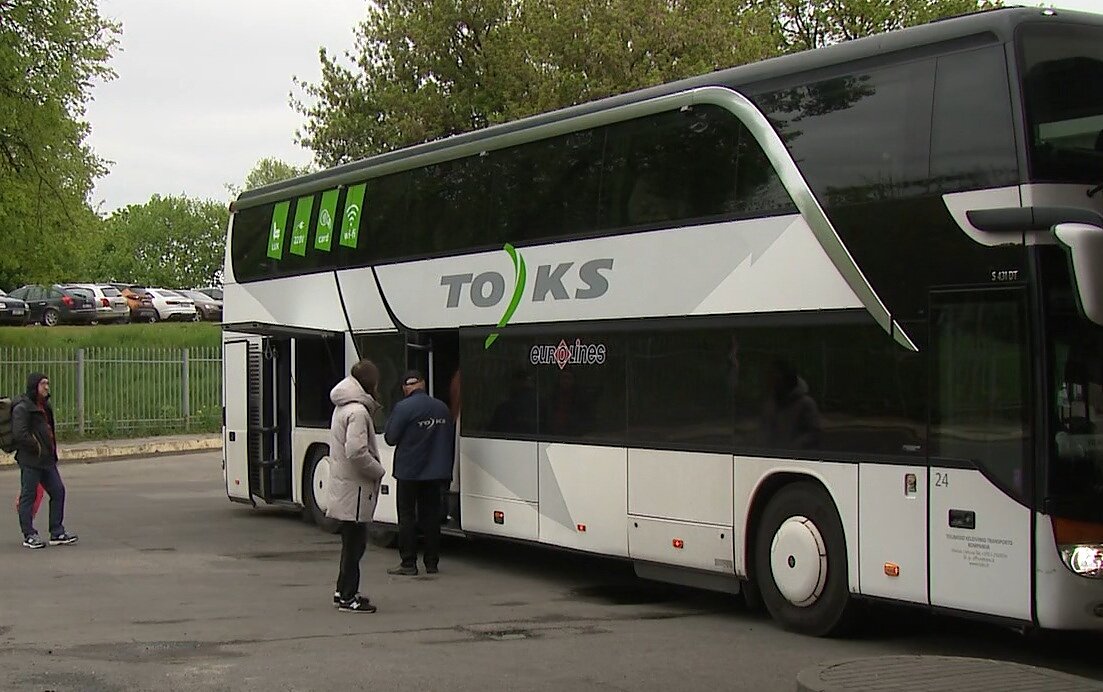
Vehicles entering Lithuania from Russia and Belarus are no longer allowed to bring in more than 200 litres of fuel. By the morning of May 8, nearly 30 vehicles, including a coach operated by the Toks firm, had been denied entry to the country.
“When a driver arrives, they present all documents to customs officers and declare the amount of fuel being carried. Our officers visually assess whether the declaration is accurate and, if they suspect a larger quantity of fuel is being transported, they carry out an inspection,” said Rolandas Cickevičius, deputy head of the Medininkai border checkpoint.
Under the ban that came into force on Sunday, a vehicle carrying more than 200 litres of fuel is turned back to Belarus. Since Sunday, customs officers at the Medininkai and Šalčininkai border crossings have refused entry to 29 vehicles.
Drivers say the restrictions are strict and that it is difficult to calculate exactly how much fuel to carry, particularly as fuel consumption is affected by weather conditions.
“We’ll have to worry and be nervous about having too much fuel. We don’t want to break your laws, but because of weather conditions, we might arrive not with the required 200 litres, but, for example, 250,” one driver told LRT.
Drivers said they learned about the new rules while travelling to Lithuania, either through conversations with other drivers or via social media.
Among the vehicles turned back were two buses, including one operated by Toks. A company representative stated that the bus had been filled with sufficient fuel in Lithuania before travelling to Belarus to complete the round trip.
“Our company has a clear policy that we refuel in Lithuania. In this case, we had supporting documents, and the driver had them with him, proving that the fuel had been purchased in Lithuania and that it was enough for the journey there and back,” said Renata Petkevič, head of international transport at Toks.
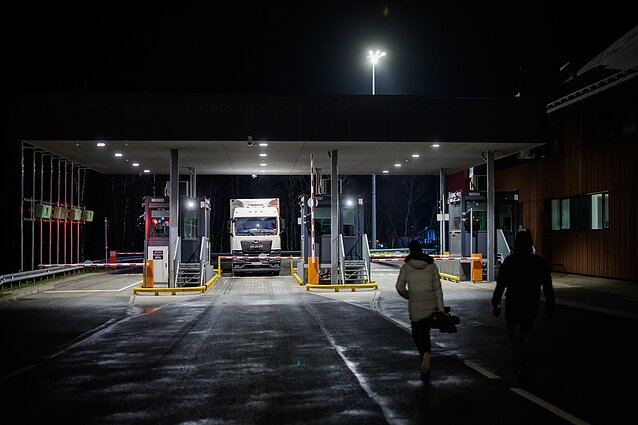
Another reserve bus was sent to collect passengers from the border, while the bus that had been turned back drove around Belarus for a couple of hours until the fuel level dropped below 200 litres.
Following the incident, drivers were instructed to refuel only up to the permitted limit.
“We are worried. Now that the hot weather is approaching, air conditioning also consumes a lot of fuel, so we’ll see how we manage. We’re really on edge,” Ms Petkevič said.
Customs officials stressed that once a vehicle crosses the border into Belarus, its cargo – including fuel – loses its European Union status.
“On the export side, carriers do not declare the amount of fuel they are transporting, so we do not record refuelling in Lithuania. When the vehicle arrives back in Lithuania, we register the actual amount of fuel in the tanks,” said Cickevičius.
Erlandas Mikėnas, head of the Lithuanian National Road Carriers Association Linava, said he supported the new restrictions, but warned that some Lithuanian hauliers whose lorries remain in Belarus could face difficulties.
“They were parked there in October with full tanks, so now carriers are trying to work out what to do with the fuel to stay below the 200-litre limit. We can’t return it to petrol stations, and selling it to someone else would be illegal,” he said.
According to customs officials, the number of violations has not been high. They estimate that around 5 percent of all vehicles arriving each day are being turned back.

Newsletter
Every Friday morning.