











As new rules came into force in Lithuania in early May, allowing for ID documents to feature the original spelling of names and surnames, the first Poles in Lithuania, including politicians, are applying to change their passports.
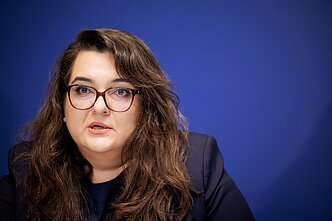
The country’s Justice Minister Evelina Dobrovolska has already submitted her application and, once it is approved, she will be spelling her name Ewelina Dobrowolska.
Read more: Lithuanian parliament allows letters x, w and q in ID documents
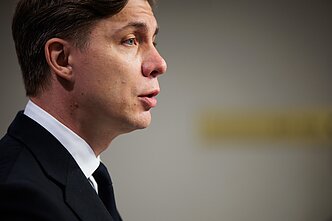
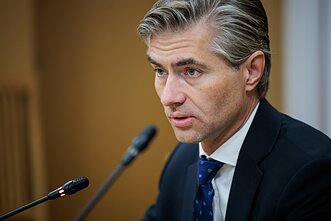
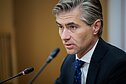
Lithuanian MEP Valdemar Tomaševski (Tomaszewski), leader of the Electoral Action of Poles in Lithuania – Christian Families Alliance, and MP Beata Petkevič (Pietkiewicz) also plan to submit such applications.
Until now, non-Lithuanian citizens of Lithuania had to transcribe their names according to Lithuanian phonetic rules and could not use letters that are not in the Lithuanian alphabet, such as w, q, or x.
Last January, however, the Lithuanian parliament adopted a law allowing the original name spelling, a culmination of decades of debate. The law stipulates that in order to change their last name, people need to officially declare their non-Lithuanian ethnicity and prove that their parents, grandparents, or ancestors had the same surname.
To change their given names, people will need to turn to a civil registry office of their choice, apply through an electronic system or send their application by registered mail or courier.

Civil registry offices say they have not yet recorded an influx of such applications since the changes came into force. For example, in Vilnius, there have been nine requests so far, the municipality’s spokesman Paulius Vaitekėnas told BNS.
Meanwhile, the civil registry office in Vilnius District, home to a big proportion of Lithuania’s Polish-speaking community, has not received any such requests so far.
Politicians will also change their names
Some prominent politicians are planning to change the official spelling of their names and surnames under the new rules.
Speaking with BNS, Justice Minister Dobrovolska confirmed she had already submitted the application. She will be joined by Tomaševski, whose name will be spelled Waldemar Tomaszewski after the change.

MP Beata Petkevič also plans to change her surname to be spelled Pietkiewicz.
“I plan to do this, it is important to me. Our community has been seeking this for years, so I will definitely take advantage of it,” the politician told BNS.

Not for everyone
Not all Poles in Lithuania, however, will be able to change their name or surname to its original spelling for the time being, since the existing legislation does not yet allow to use diacritics (such as ó , ń , or ł) to spell names and surnames on ID documents.
Before the law was adopted in January, Prime Minister Ingrida Šimonytė and Justice Minister Dobrovolska voiced their support for the proposal to allow the use of diacritics, but said the debate on this issue could be continued later.
They said at the time that allowing to use all characters, and not just the standard Latin alphabet letters, would require upgrading the country’s registers, which would slow down the implementation of the decision to allow the letters q, w and x in passports.
Dobrovolska now says decisions on diacritics also need to wait for a clear court case practice.
Tomaševski says his two sons, Paweł and Władysław, will not be able to spell their names in the original form for the time being.

Newsletter
Every Friday morning.