






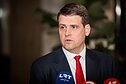





Lithuania's outgoing Foreign Minister Linas Linkevičius has asked his Latvian counterpart to continue discussions on the Baltic country's common methodology for electricity trade with Russia.
Latvia has started buying electricity from Russia based on a new methodology for trade with “third countries” that has not been approved by the Lithuanian regulator.
The new methodology was agreed on a political level by all three Baltic states in 2020, but the Lithuanian National Energy Regulatory Council (VERT) officially announced last week that it would not back it.
VERT said that the new methodology failed to bar access to the Lithuanian market for electricity produced at the Astravyets NPP and increased the flow of electricity from Russia to the Baltic countries.
In the Baltic negotiations, Lithuania was represented by the Energy Ministry, which then came under criticism by other politicians and institutions in the country for agreeing on the deal.
Read more: Lithuania's feud with Baltic states over energy trade – explainer

In a letter sent to Latvian Foreign Minister Edgars Rinkēvičs on November 18, the Lithuanian Foreign Ministry said the negotiations “must be seen in the broader context of the Baltic states' long-term strategic interest”.
The Lithuanian MFA confirmed to BNS that it had commended the political agreement reached by the Baltic countries, but regretted Latvia's decision to trade electricity with Russia.
According to the ministry, Vilnius considers that the new methodology agreed in 2020 is not in effect until the Lithuanian regulator has approved it.
At present, Lithuania continues to apply the 2018 methodology that does not provide for Estonia and Latvia directly importing electricity from Russia.
Lithuania halted commercial electricity trade with Belarus immediately after it launched the Astravyets plant on November 3, but the lines connecting the two countries continue to transmit electricity flows. Latvia started electricity trade with Russia on November 5.
Vilnius considers the Astravyets NPP, located some 50 kilometres from the Lithuanian capital, unsafe and built in breach of international safety standarts. Minsk denies all allegations.
Read more: Belarus nuclear plant resumes operations following earlier incident

Newsletter
Every Friday morning.