














Lithuania’s electricity network operator, Litgrid, had promised to house dozens of families of its Ukrainian counterpart, Ukrenergo, until the war is over. Four years later, the state-owned company is going back on its promise.
“We left Donetsk in 2014 because of the fighting and moved to Mariupol. We started a new life there, but in 2022, everything collapsed again,” said Liudmila.
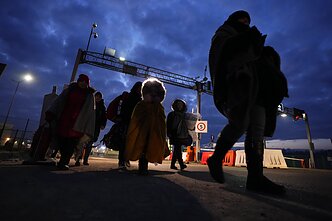
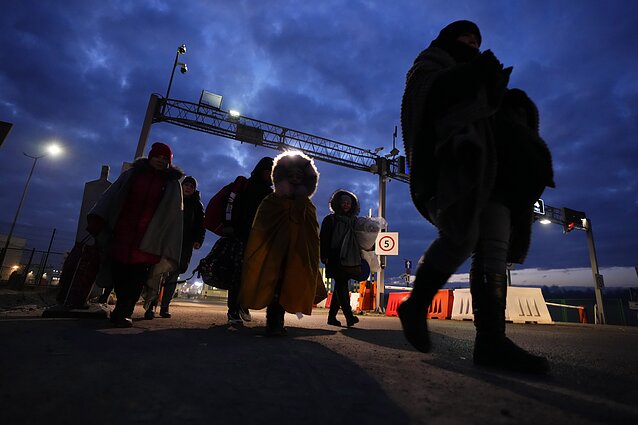
She was among around 50 families whose relatives worked for Ukrenergo and who arrived in Lithuania more than four years ago.
“Ukrenergo management called us and said they had families where the men had to stay to repair the grid, while the women, children and elderly had nowhere to stay – they simply had nowhere to live,” she said.
Throughout this period, Litgrid covered rent and utility costs for the Ukrainian families, at an annual cost of more than 200,000 euros.
However, following a change in leadership at Litgrid in February, a decision was taken to stop compensating rent for Ukrainians.
“Temporary measures have a beginning and an end. We are not obliged to do something indefinitely, because this is support – it is voluntary,” said the company’s new chief executive, Andrius Šemeškevičius.
“This is a sensitive issue, of course – families, children, elderly people – but the dilemma is always what to do,” he added.
Former Litgrid chief Rokas Masiulis said Ukrainian families were recently told that the support would continue.
“From the very beginning, they were told we would take care of them until the end of the war,” Masiulis said. “After the budget was approved for this year, we informed them they would be able to stay this year as well.”
He stressed that the support was not only moral but also practical. Ukrainian specialists have provided advice on protecting infrastructure and helped deliver equipment needed for Lithuania’s grid synchronisation with the rest of Europe.
“A Ukrainian rail wagon saved our synchronisation,” Masiulis said. “You send Ukrenergo employees’ families out onto the street and then ask if they can continue advising us.”
However, the current Litgrid leadership and Energy Minister Žygimantas Vaičiūnas insist that overall support for Ukraine will not decrease.
“We need to find balanced solutions – not to put people out on the street, but also to look for long-term solutions,” the minister said.
Meanwhile, a Ukrainian man named Yurii, who has a disability, said he may have to return to Ukraine if he cannot find work.
“I live near Dnipro, close to a power plant that has been completely bombed,” he added.

Newsletter
Every Friday morning.