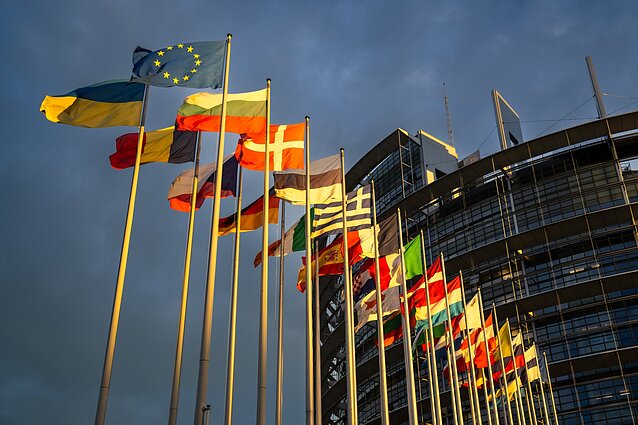












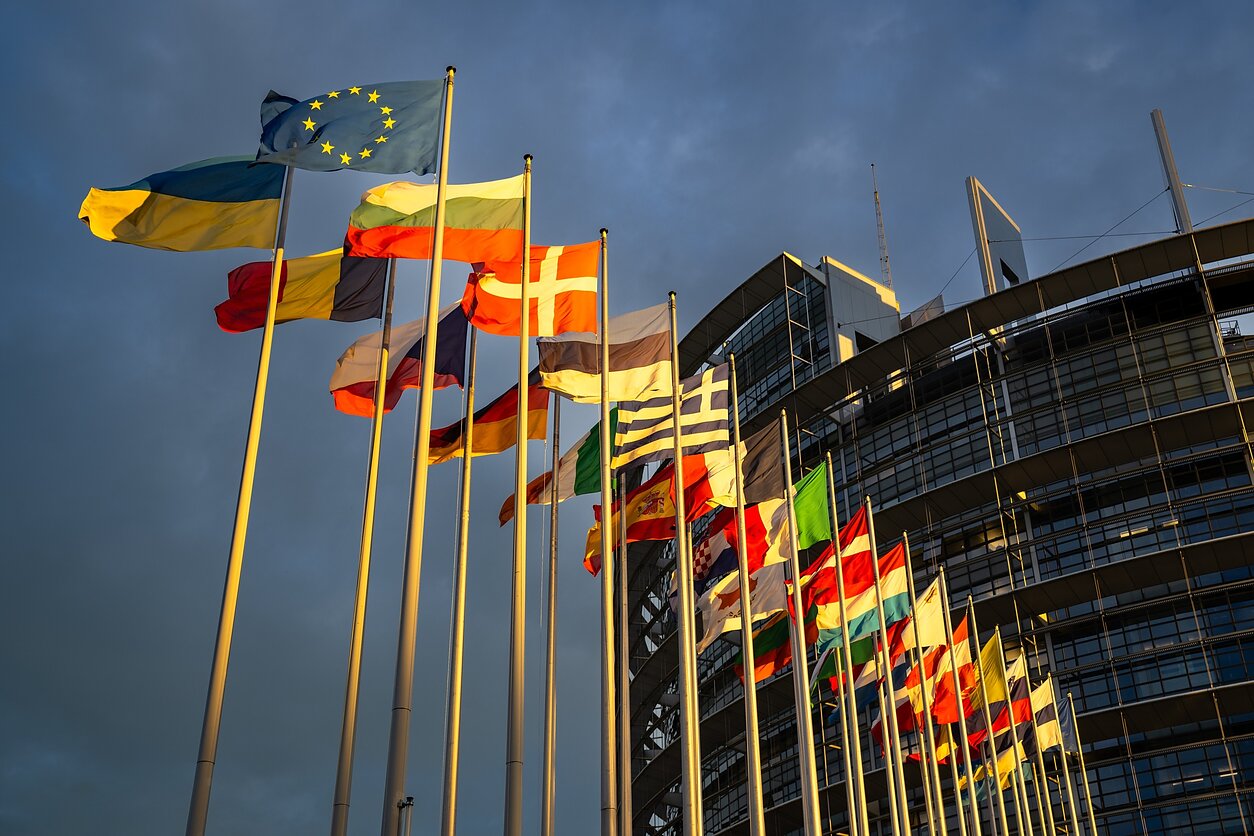
A group of European lawmakers is calling on European Parliament leaders to suspend sessions in Strasbourg as part of efforts to save fuel and reduce costs during an energy crisis triggered by the Iran war.
The appeal follows recent proposals by the European Commission encouraging energy savings amid rising fuel prices. A total of 42 lawmakers – out of 720 – signed a letter urging the European Parliament to “lead by example” and temporarily halt its regular travel between Brussels and Strasbourg.
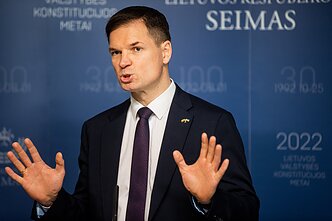
Among the signatories were Lithuanian members of the European Parliament Petras Gražulis (ESN) and Aurelijus Veryga (ECR). Veryga said EU institutions should demonstrate restraint when asking citizens to cut spending.
“At times when society faces difficulties and we are urging people to save money, such a temporary measure could be appropriate,” he said.

Under current arrangements, all lawmakers and their staff relocate to Strasbourg for plenary sessions at least 12 times a year, typically for four days. The rest of the time, parliamentary work takes place in Brussels.
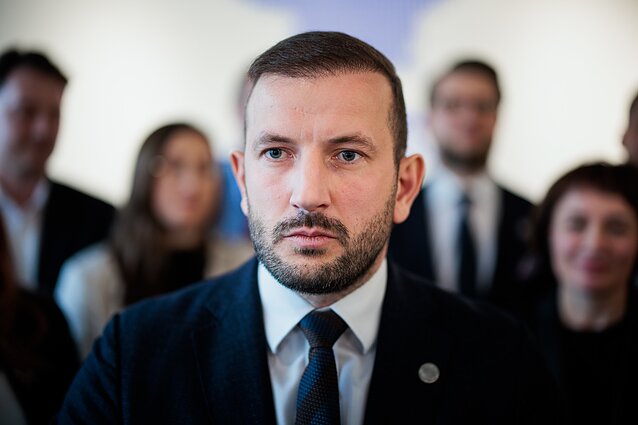
Critics of the proposal say the idea, while appealing in principle, is not feasible under existing EU law. Lithuanian MEP Virginijus Sinkevičius (G-EFA), who did not signed the petition, said the dual-seat system is established in EU treaties and can only be changed with the agreement of member states.
“Abandoning Strasbourg would require treaty changes, and France would never agree to that,” he said.
The EU’s founding treaties stipulate that at least 12 plenary sessions per year must take place in Strasbourg, with additional sessions held in Brussels.
Some lawmakers argue exceptions could be made under extraordinary circumstances. During the Covid-19 pandemic, the European Parliament temporarily halted travel to Strasbourg, holding sessions exclusively in Brussels.
That shows it is not impossible, argued Veryga.
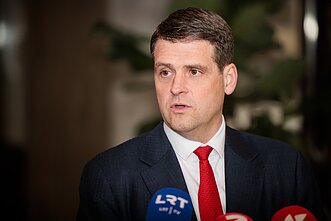
However, another Lithuanian MEP Paulius Saudargas (EPP) said such exceptions would require a clearly defined legal basis.
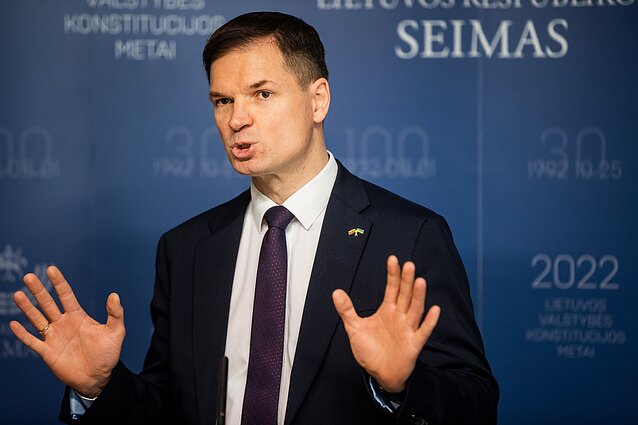
“If there were an extreme situation, such as a severe energy shortage, then perhaps such an exception could be applied. But that legal situation does not exist today,” he said.
Otherwise, Saudargas said, he enjoys monthly trips to the French city: “I like the Strasbourg Parliament, I like Strasbourg itself.”
The monthly relocation involves lawmakers, assistants, interpreters and other staff traveling by car, chartered train or plane. The logistical cost of moving parliament operations to Strasbourg is estimated at around 114 million euros annually.
Attempts to reduce or eliminate Strasbourg sessions have been made before but have failed. In 2012, France successfully challenged a European Parliament effort to shorten its Strasbourg sessions at the Court of Justice of the European Union.

Newsletter
Every Friday morning.