








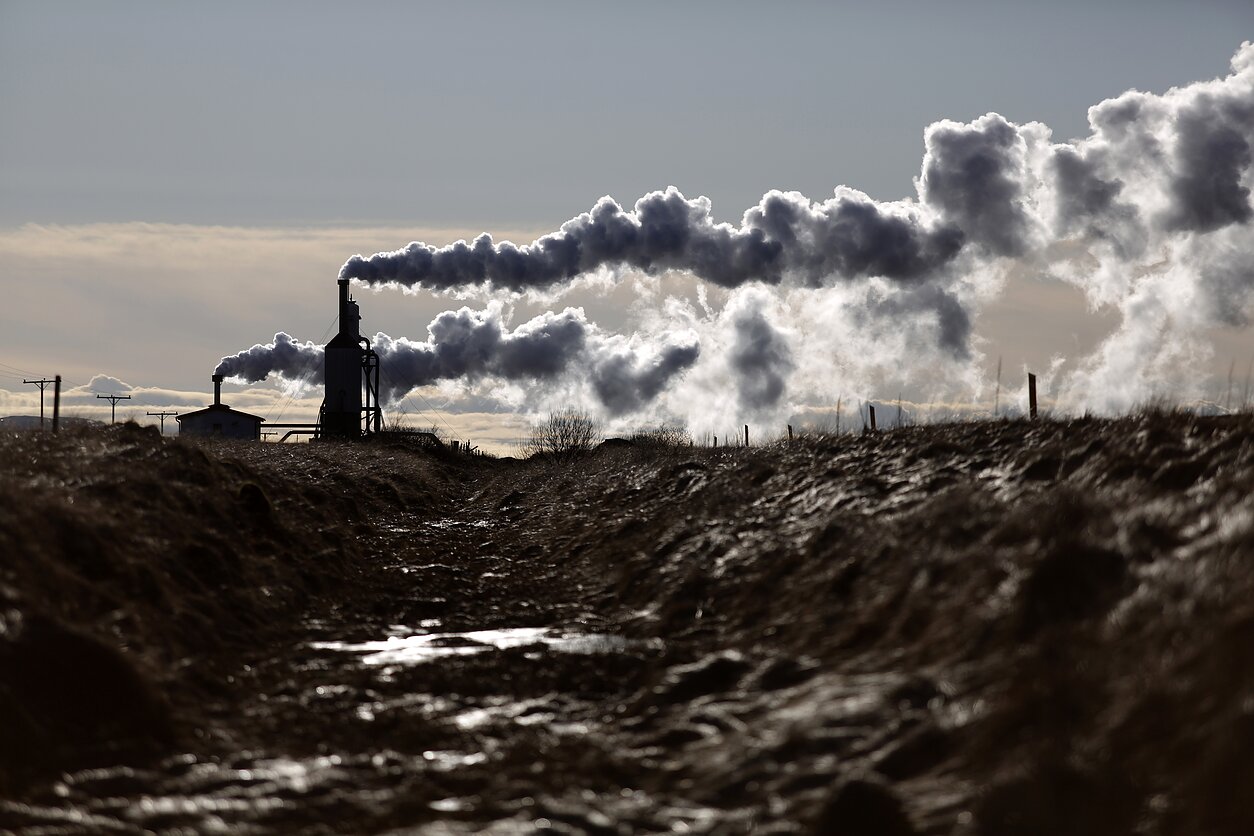
Lithuania is in the middle of a renewable energy boom, with wind and solar capacity expanding rapidly. But geologists, energy specialists and defence planners are quietly discussing a resource that requires no wind, no sunshine and no fuel deliveries: the heat stored deep beneath the country's surface.
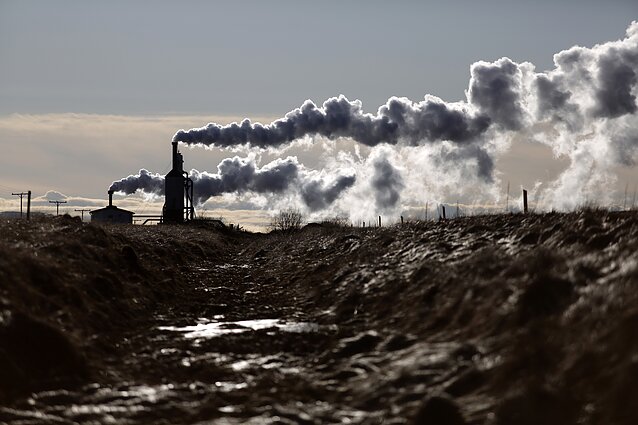
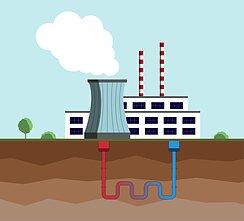
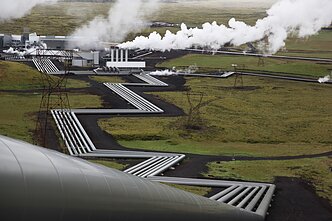
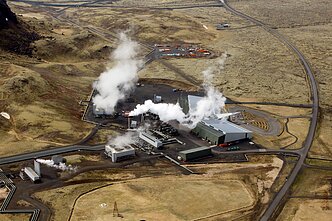
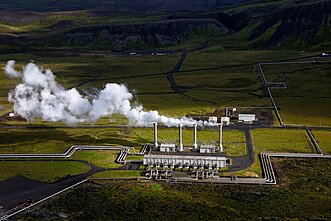
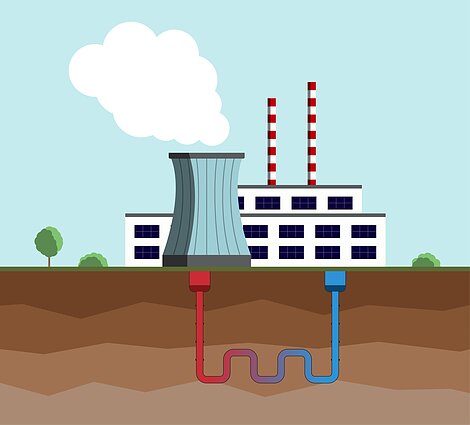
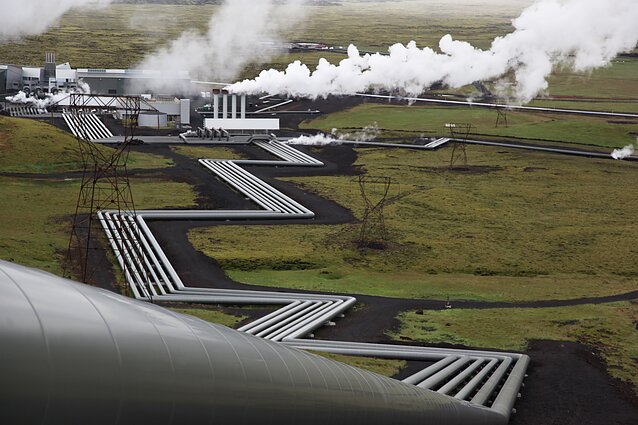
Geothermal energy – extracted from hot water, steam or heated rock deep underground – is not new. Iceland has built much of its economy around it.
But Lithuania, it turns out, has geological conditions that make it unusual even by European standards, and experts are beginning to ask whether the country is sitting on a strategic asset it has so far largely ignored.
Research suggests Lithuania's theoretical geothermal capacity could reach around 25,000 megawatts – more than twelve times the country's total electricity demand.
An anomaly in the rock
According to geologist Saulius Šliaupa, western Lithuania sits on one of the most thermally active parts of the ancient East European Platform – a geological formation that stretches across much of the region and is generally considered too cool for viable geothermal development.
"The average heat flow intensity on the East European Platform is around 43 milliwatts per square metre. In Vilnius it is 38. But in western Lithuania it is 70 to 80, and in some boreholes as high as 90. That figure is unique on the entire East European Platform," he said.
The anomaly, he explained, is driven by the composition of crystalline basement rocks, which generate heat through the radioactive decay of elements including potassium, thorium and uranium. The result is that western Lithuania – particularly the Baltic sedimentary basin – has geothermal potential that its neighbours simply do not.
A competitor for imported energy
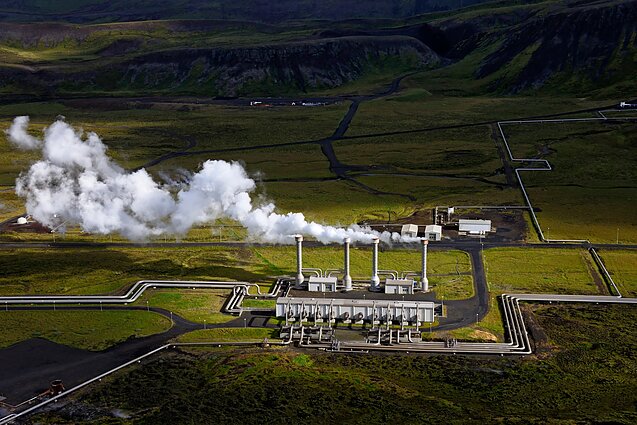
Simonas Valadkevičius, director of energy company Lavastream, argues that geothermal power's real competition is not wind or solar – it is the imported electricity that currently covers Lithuania's baseload demand.
"Lithuania imports a large share of its electricity from countries like Latvia and Sweden, depending on whichever prices are most favourable at any given moment. Lithuania has a choice: we can pursue nuclear energy, with its uncertain costs and very long timelines, or we can use the assets we already have – geothermal resources in western Lithuania," he said.
The economics are increasingly compelling. According to a 2025 analysis by investment bank Lazard, new geothermal plants generate electricity at a cost of between $66 and $109 (56–93€) per megawatt-hour – roughly half the cost of new nuclear, which ranges from $141 to $220 (120-188€) per megawatt-hour.
Over the past fifteen years, nuclear costs have risen by 47%, whilst geothermal has remained broadly stable (rising only 16%).
Valadkevičius added that the cost of geothermal energy could fall even further over the next decade. He points to a United States Department of Energy programme – the Enhanced Geothermal Shot initiative – which aims to bring the cost of geothermal electricity down to $45 per megawatt-hour by 2035, potentially making it competitive even with offshore wind.
"The technologies will become standard – reliable in terms of quality, risk management and cost. In western Lithuania, the target is $45 per megawatt-hour. That is several times cheaper than what offshore wind developers have been promising," he said.
A security argument
Beyond the economics, geothermal energy has attracted the attention of defence planners for another reason: it requires no supply chain.
Kristina Rimkūnaitė, an expert at NATO's Energy Security Centre of Excellence in Vilnius, draws a direct line between fuel logistics and military vulnerability.
"If we look at NATO's experience in Iraq and Afghanistan, delivering one litre of fuel required burning five to seven litres of diesel in the process. Around 50% of casualties in those theatres occurred in convoys transporting fuel or water. That is the cost of a logistics-dependent energy system," she said.
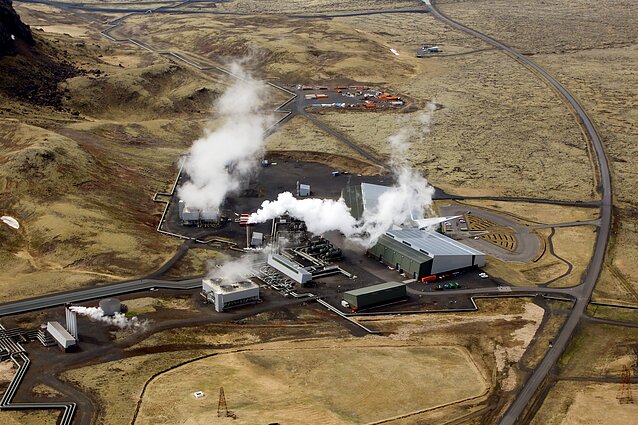
Geothermal energy, by contrast, sources its own fuel from the ground beneath the installation. There are no tankers, no convoys and no supply lines to disrupt. The resource is also underground – and therefore considerably harder to destroy than a solar panel or a wind turbine.
Rimkūnaitė noted that geothermal energy has been powering military bases in California since the 1980s, and that Germany is currently operating two military installations on geothermal power, with wider adoption under active consideration.
"Geothermal resources must be developed in peacetime, because the process takes longer than installing wind or solar – you need geological surveys, boreholes, significant investment. But once in place, it is one of the most stable and secure energy sources available," she said.
She also raised a concern about the security of solar infrastructure specifically, noting that some imported solar components have been found to contain controllers manufactured by potentially hostile third parties – a risk that increases as solar's share of the grid grows.
The broader picture
NATO's geothermal potential across all member states is estimated at 6,790 gigawatts of deep geothermal capacity, with 45 gigawatts of shallow geothermal already installed. Rimkūnaitė said the alliance is paying growing attention to the technology, partly driven by the disruption to oil supplies caused by restrictions on tanker traffic through the Strait of Hormuz since February.
"If 40% of our aviation fuel and diesel is produced in the Middle East and tankers have been blocked from the Strait of Hormuz since late February, we have a supply security problem. [...] Geothermal is one of the technologies that will be closely examined over the next five years," she said.
Geothermal energy also has one further advantage: versatility. The same resource that powers a military base can heat a family home in winter and cool it in summer. As Lithuania debates battery storage, small nuclear reactors and offshore wind, some experts argue the most distinctive asset may already be underfoot.
The original article in Lithuanian was produced as part of the Vilnius University Young Journalists' Society mentorship programme.

Newsletter
Every Friday morning.