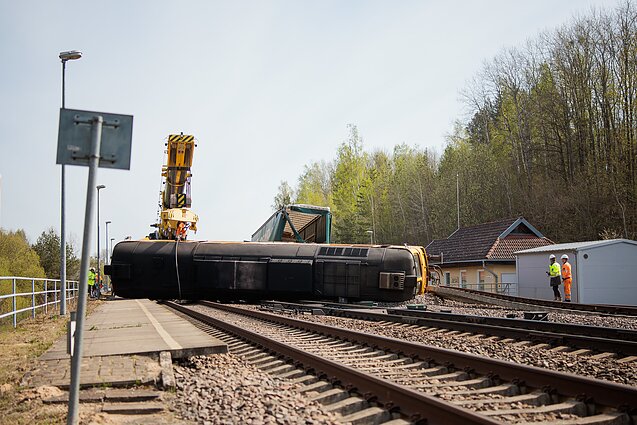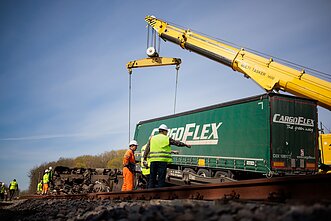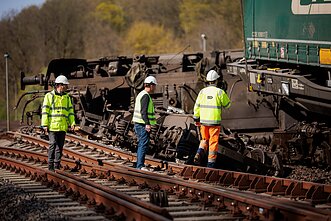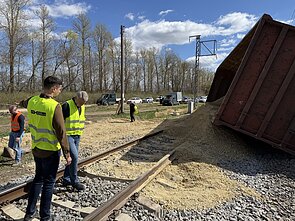

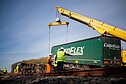

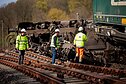






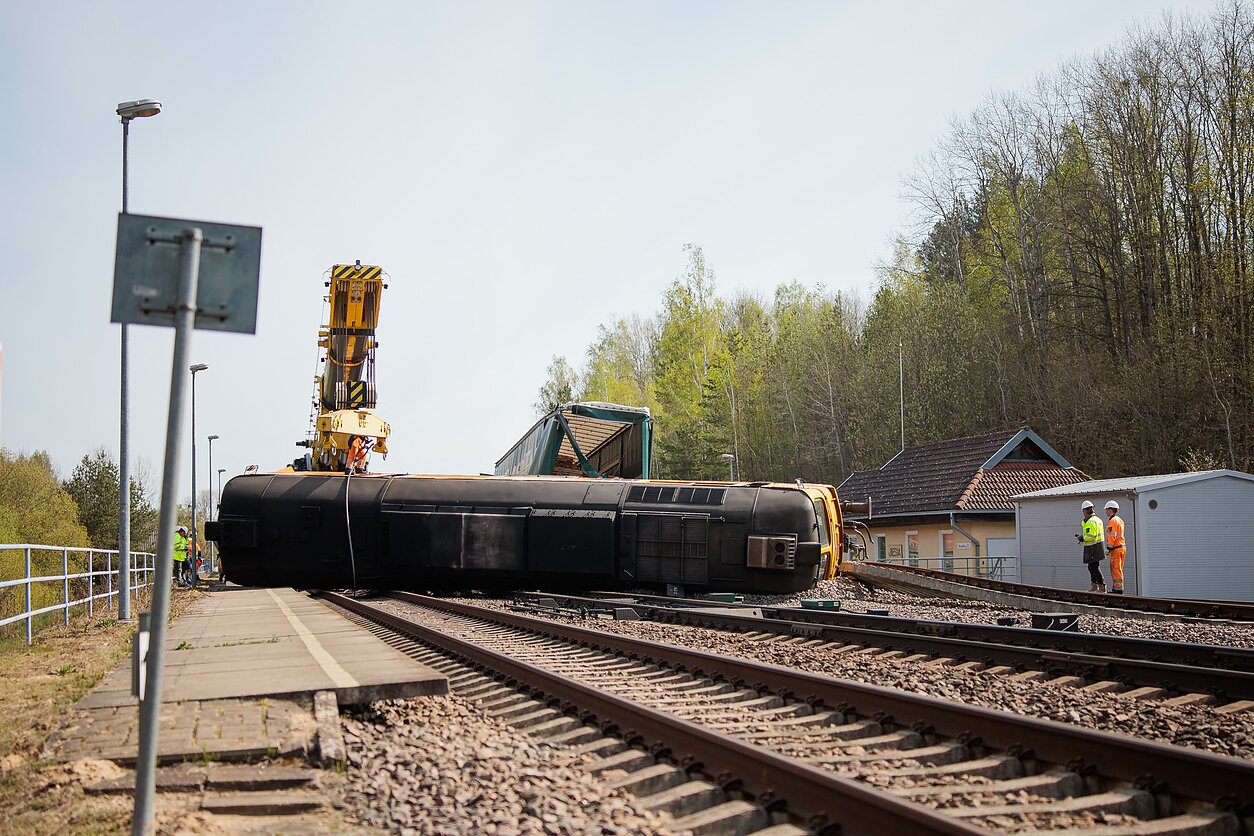
The infrastructure arm of Lithuanian Railways (LTG) lacks sufficient funding to ensure adequate traffic safety, its chief said, after two train accidents last week raised concerns about the country’s rail network.
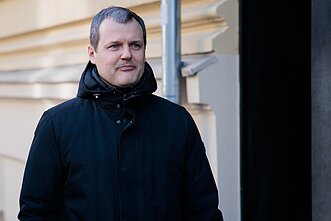
Vytis Žalimas, head of LTG Infra, said the station at Jiesia in Kaunas district, where one of the incidents occurred, does not have a modern signalling system capable of automatically managing traffic and reducing the risk of human error.
He said past funding priorities had been directed elsewhere, leaving parts of the network only partially modernised.
Žalimas added that speed limits have been imposed on some rail sections to maintain safety due to a lack of maintenance funding. On the Šeštokai–Alytus line, train speeds are currently restricted, and continued underinvestment could eventually lead to closures, he warned.
He also said an Austrian supplier responsible for maintaining Lithuania’s automatic rolling stock control system will soon stop providing services. The system is outdated and has long required upgrades, he said.

“It is an old system, and while it has been maintained until now, the need for modernisation has existed for many years,” Žalimas told LRT RADIO. “We requested investment funds to update it, but until they were provided, we had to maintain it ourselves. Now there are no parts left.”
According to Žalimas, the company must decide whether to allocate funds for modernisation or require rail operators to maintain their own rolling stock systems.
Former LTG business resilience director Edvinas Kerza said much of the country’s railway infrastructure is outdated and in need of significant investment.
“These are legacy systems from the Soviet era running on aging tracks,” he said, adding that the company lacks the resources needed to modernise equipment and infrastructure.
Vilius Ligeika, head of the Federation of Lithuanian Railway Workers’ Trade Unions, said he had previously warned of the risk of such incidents, citing heavy workloads and staff reductions.
Track inspections are now conducted less frequently, about every two to three months, he said, while maintenance delays and layoffs have increased pressure on remaining workers.
Žalimas said human error cannot be ruled out. “Where humans are involved, anything can happen,” he said, adding that both internal and law enforcement investigations are underway.
LTG said Monday that a commission has been established to investigate the causes of the incidents. In parallel, the Justice Ministry has launched a safety inquiry, while prosecutors in Kaunas have opened two separate pretrial investigations.
Transport Minister Juras Taminskas said Sunday that the incidents were likely unrelated to sabotage, though he stressed that detailed investigations would provide definitive answers. The ministry expects conclusions within one to two months.
LTG has also said it considers third-party interference unlikely but has not ruled it out, emphasising that all possible causes are being examined.

Newsletter
Every Friday morning.