














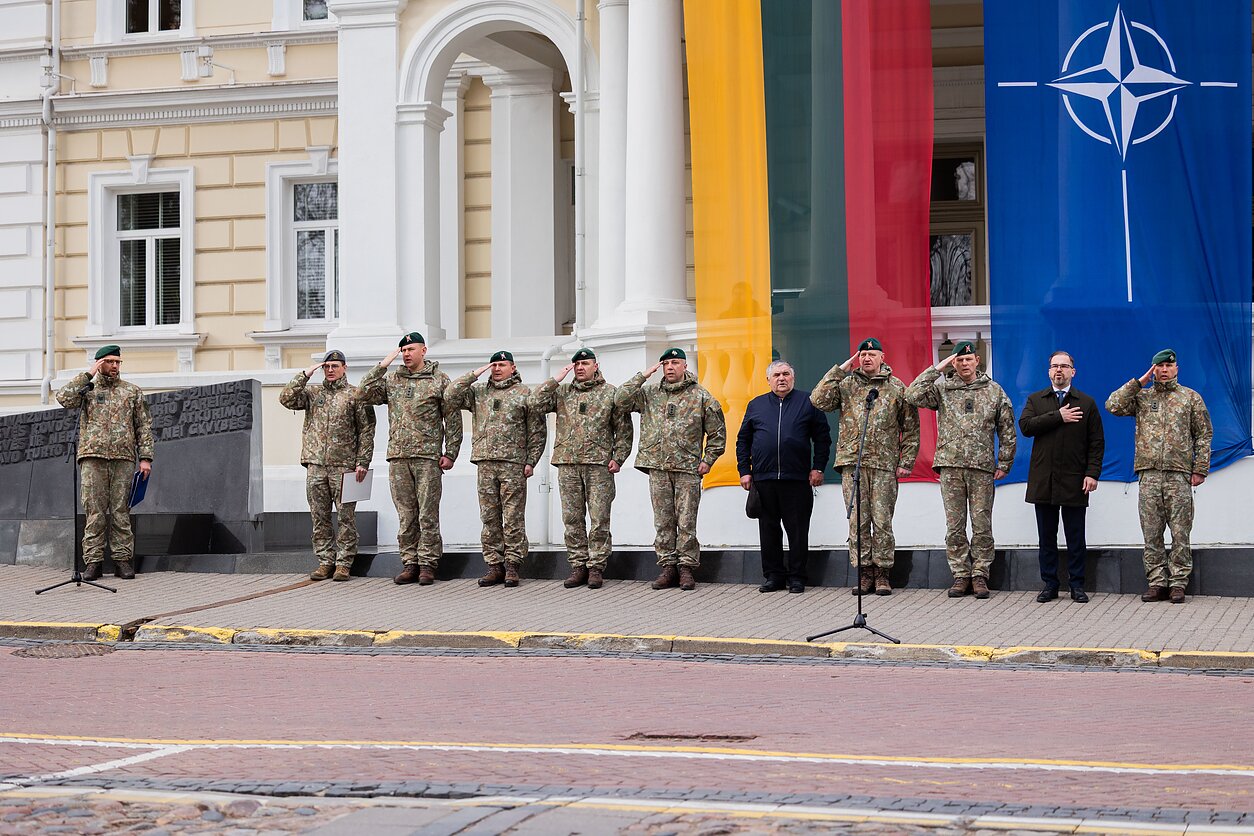
After a closed-door meeting Wednesday, members of the Seimas National Security and Defence Committee said they were not presented with concrete plans for how Lithuania would defend itself without US support, despite earlier remarks by Prime Minister Inga Ruginienė that alternative scenarios exist.
Ruginienė has previously said the government has multiple contingency plans, including “Plan B” and “Plan C”, to ensure national security. However, opposition lawmakers said those plans were not outlined during the recent closed-door committee meeting.
According to committee Vice Chairman Laurynas Kasčiūnas, members were only briefed on defence scenarios based on NATO planning frameworks.
“We received a presentation on how everything would work under NATO planning algorithms – a good presentation,” Kasčiūnas, of the opposition Homeland Union, said. “But there was no discussion of Plans B or C, or how to use regional alliances, including cooperation with Poland.”

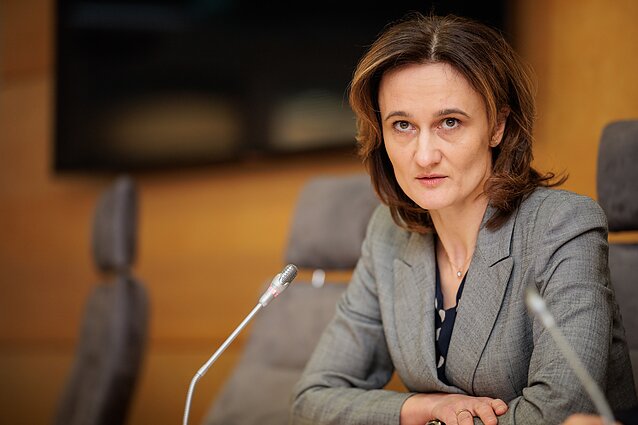
Liberal opposition leader Viktorija Čmilyte-Nielsen also criticised the lack of detail.
“The prime minister was one of the speakers who said the least. In my view, our questions were not answered, nor was there an open discussion about the scenarios that should be addressed,” she said.
Ruginienė did not comment to reporters after the meeting.
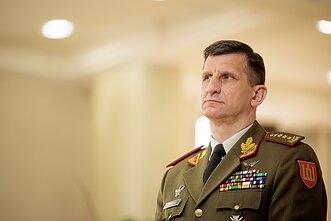
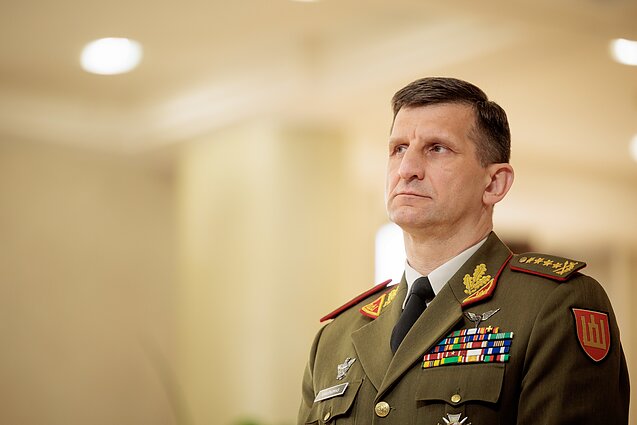
Lithuanian Armed Forces commander General Raimundas Vaikšnoras said defence plans are continuously updated in response to changing geopolitical conditions but declined to discuss specific scenarios.
“These plans are reviewed and adapted as the situation evolves,” he said, adding that the military remains ready to defend the country at any time.
When asked how Lithuania would respond if the United States withdrew from NATO – a possibility raised by US President Donald Trump – Vaikšnoras said such matters could not be discussed publicly, noting the meeting had been classified.
Defence Minister Robertas Kaunas said alternative options do exist, pointing to strengthened cooperation with Germany, Ukraine, and the Baltic states.
“All the work is being done. Whether you call them Plans B or C is a matter of political interpretation, but the necessary preparations are underway,” he said.
Speaking after a government meeting, Ruginienė emphasised Lithuania’s continued reliance on NATO while increasing national defence efforts.
“We must focus on serious work. Today, we have no doubts about NATO’s strength. We rely on NATO plans and national plans integrated into the alliance’s framework,” she said, adding that defence spending and procurement are being accelerated after years of insufficient attention.

Opposition lawmakers argue Lithuania should aim to be capable of defending itself independently for at least one month, though current capabilities remain classified.
Concerns about NATO’s cohesion have grown amid Trump’s criticism of allies and controversial statements on issues including Greenland and the war with Iran.
However, Lithuanian President Gitanas Nausėda and Estonian President Alar Karis have both said they do not see the alliance at risk of collapse.
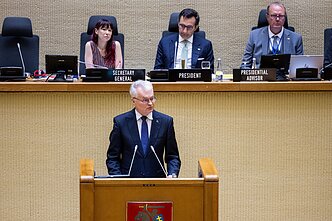
“NATO is certainly not coming to an end,” Nausėda said Wednesday, describing it as the most successful collective defence project since World War Two.
Karis added that the alliance has weathered both strong and difficult periods and would endure.

Newsletter
Every Friday morning.