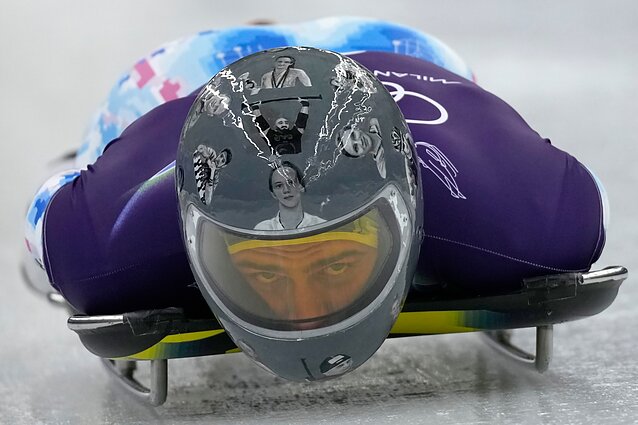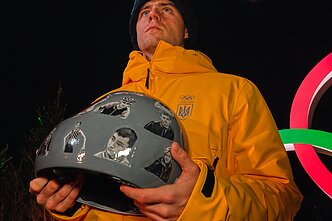













Lithuania has condemned a decision by the International Olympic Committee (IOC) to disqualify Ukrainian skeleton racer Vladyslav Heraskevych from the Milan–Cortina 2026 Winter Olympics after he wore a helmet bearing images of athletes killed during Russia’s war in Ukraine.
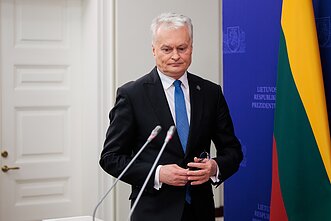
President Gitanas Nausėda praised the athlete’s courage in a post on X, saying the memory of those who had died would endure forever.
“We are proud of you, Vladyslav Heraskevych, for your courage in showing the true face of war at the 2026 Olympic Games. Glory to the heroes!” he wrote.
Meanwhile Lithuanian Foreign Minister Kęstutis Budrys says that the committee's move is despicable.
"Remembrance of fallen Ukrainian athletes is not a violation. The helmet shows faces, not slogans – a human tribute to Ukrainian sportsmen killed in Russia’s war, one that should be respected, not silenced or banned. The IOC’s decision to ban this tribute is a despicable move, unworthy to uphold the spirit of sport. Standing in full solidarity with Ukrainian skeleton racer Vladyslav Heraskevych and the people of Ukraine," Lithuania's top diplomat said in a post on X on Thursday.
Prime Minister Inga Ruginienė also criticised the ruling, calling it unjust and deeply disappointing.
“The IOC’s decision to bar Ukrainian athlete Heraskevych from competition is very disappointing and fundamentally unfair,” she wrote on X.
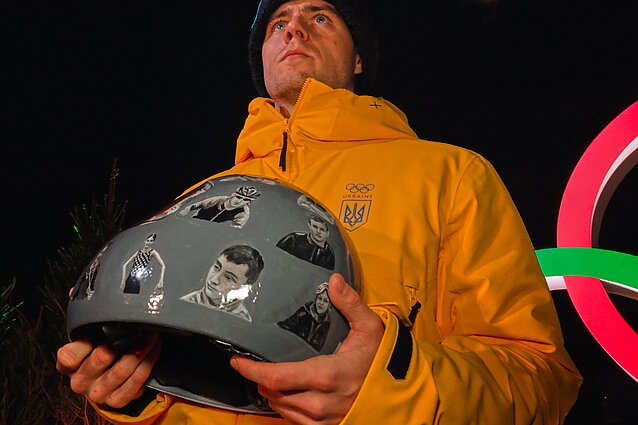
In its statement, the IOC said Heraskevych had been removed for "his refusal to comply with the IOC’s Guidelines on Athlete Expression".
Heraskevych insisted on wearing a helmet depicting Ukrainian athletes who have died since Russia's invasion of Ukraine began in February 2022.
For his part, the Lithuanian National Olympic Committee said on Thursday it backs the Ukrainian athlete and, together with the Latvian Olympic Committee, had turned to the International Bobsleigh and Skeleton Federation (IBSF), asking it to explain the decision to disqualify the athlete.
“Respect for the memory of the dead is a basic expression of humanity. Interpreting the commemoration of war victims as inherently political sets a dangerous precedent that could suppress even the simplest human empathy. Sport must remain a place where Olympic values, solidarity and respect for the individual are upheld,” LTOK president Daina Gudzinevičiūtė said in a statement.
Under Rule 50 of the Olympic Charter, political gestures during competition have been prohibited since 2021, although athletes are permitted to express their views at press conferences and on social media.
At the Beijing Winter Olympics in 2022, shortly before Russia’s full-scale invasion, Heraskevych displayed a sign to television cameras reading “No to war in Ukraine.”

Newsletter
Every Friday morning.