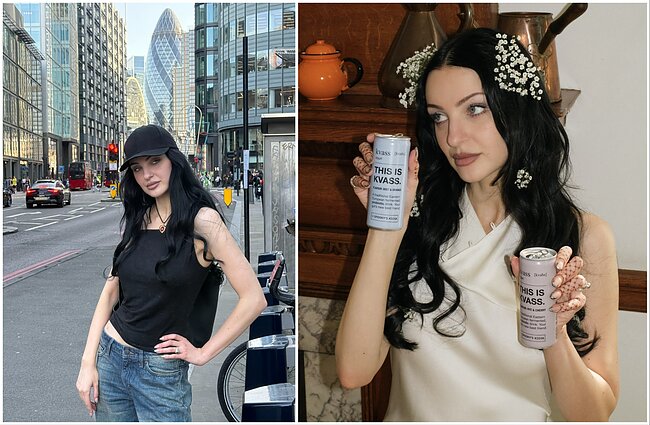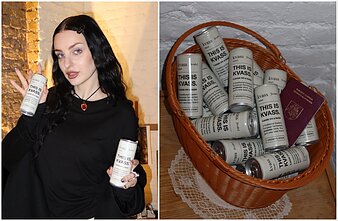















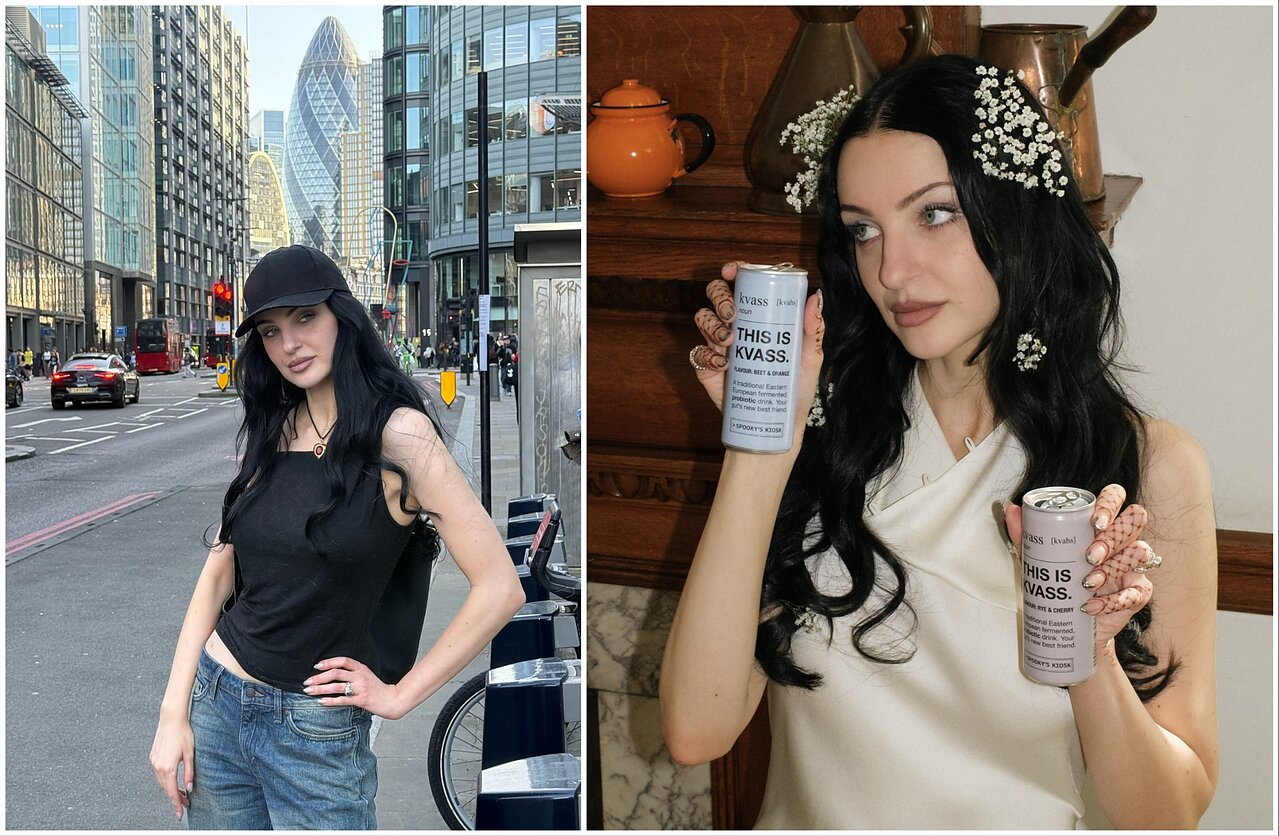
London-based Viltė Fuller, who grew up in the United Kingdom, introduced British consumers to the taste of kvass, or Gira in Lithuanian, about a month ago. She says she had noticed how popular kefir had become and was curious whether the drink she remembered from childhood summers in Lithuania could enjoy similar success.
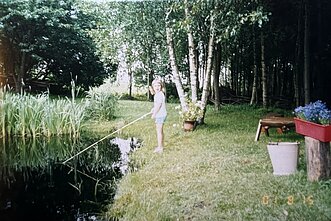
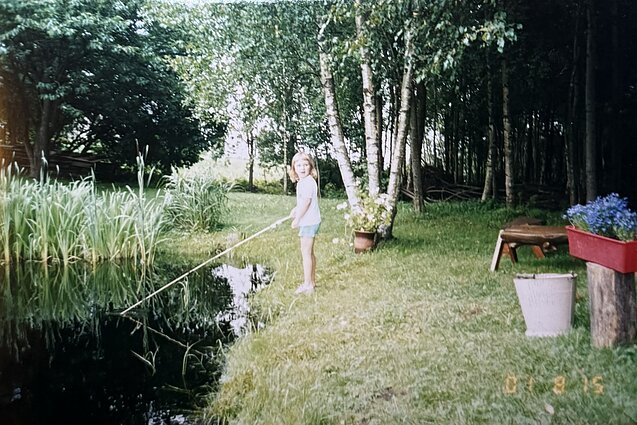
“For me, Lithuanian summers mean kvass, kefir and fishing in Plateliai,” says Viltė, who named her brand after her Siberian cat, Spooky.
Viltė moved to Kent in the UK with her mother, British stepfather and younger brother when she was just seven years old.
“In Kent, where I grew up, Eastern Europeans were not especially liked within the community. For many years, I was ashamed of my background. We were seen as Eastern Europeans who had come to take British jobs or as criminals. Those labels were pushed by Britain’s right-wing media,” the Lithuanian entrepreneur told LRT.lt.
Viltė chose Glasgow for her studies and later moved to London to pursue a career as an artist. According to her, growing older and leaving Kent behind helped her become increasingly proud of her Lithuanian identity.
“In larger cities, people are much more tolerant and more interested in people from different countries and cultures. That’s why I enjoy living in London – its multiculturalism makes it such an interesting and tolerant place,” she says.
For a time, Viltė focused on art and enjoyed the opportunity to travel and exhibit her work around the world. Although it was an exciting period, she soon realised that the path of an artist did not align with the life she envisioned for herself.
“I started looking for other creative paths I could follow – ones that would give me more control over my career and livelihood,” she says.
A decade-long idea
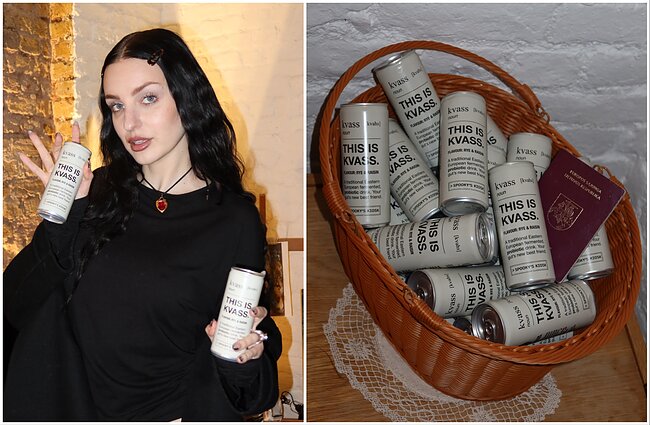
The idea of producing kvass had been in Viltė’s mind for around a decade, as she had loved the drink as a child. Since kvass was unavailable in England, she made up for it during her summer visits to Lithuania.
“When a Lithuanian grocery shop opened in a nearby town in the UK, my younger brother and I used to buy enormous bottles of kvass,” she says with a laugh.
As Viltė had long enjoyed fermentation as a hobby – making kimchi, kefir and kombucha herself – the idea of starting a kvass business did not seem too far-fetched.
“I told my husband about the idea, and together we started tasting different kvasses. I went to the Lithuanian supermarket Lituanica in London and bought around 20 cans of different kinds of kvass. I didn’t like the taste of any of them, and they were full of sugar syrup or simply too sweet.
“I wanted to create something more refreshing, more sour and closer to homemade kvass. As a joke, we started calling our drink ‘kombucha’s eastern European cousin’,” Viltė says.
At first, it proved difficult to find a fermenter capable of producing the product she wanted. As a result, she abandoned the idea for almost a year. But once she decided to step away from art, she resolved to do everything possible to turn the kvass concept into reality.
“In the end, we found an amazing fermenter to make the base for us, and then step by step we worked on packaging and storage,” she explains.

Three flavours on offer
According to Viltė, making kvass requires a great deal of work, but so far the business has brought her enormous satisfaction.
“Creating the recipe was the hardest part, but once we found the right elements, everything quickly fell into place,” she says.
At present, she offers three flavours of kvass. The first two are rye bread kvasses flavoured with either raisins or cherry juice. The third is made from fermented beetroot and is suitable for people looking for gluten-free drinks.
“After pasteurisation, we add probiotics for gut health and flavour the drink with various fruit juices. We don’t use any artificial flavourings or sweeteners. I’d say the rye and raisin version is closest to traditional Lithuanian kvass, but it’s lighter and less sweet. The other two are more sour,” Viltė explains.
Named after her cat
Viltė admits she did not expect such a positive response to the drink, and repeat orders have been especially encouraging. She is currently exploring more gluten-free kvass options and considering seasonal flavours. In future, she also plans to produce alcoholic kvass.
She runs the business together with her husband; they also work with partners responsible for production, packaging and fulfilment.
“At the moment, we only sell our kvass online because we launched the drink just last month. But we are already in talks with various retailers and restaurants, which is very exciting,” she says.
Viltė named her brand Spooky’s Kiosk after her Siberian cat.
“I liked the visual idea of my cat selling our kvass from a kiosk. I also wanted a name that could work for other products, too,” she says.
Forbes recognition and thoughts of returning home
Viltė has also been included in the prestigious Forbes 30 Under 30 list, which annually recognises Europe’s most influential and innovative entrepreneurs under the age of 30. She found out about the honour while on her honeymoon, although she says she does not attach too much importance to it.
“I was both surprised and emotional for the sake of 14-year-old Viltė, who dreamed of becoming an entrepreneur one day. The list itself is fairly meaningless, and I really enjoy the memes about it, especially considering how many people on it have ended up in prison or involved in fraud. I think the judges had a good sense of humour, including someone like me,” she says with a smile.
Speaking about her connection to Lithuania, Viltė admits she cannot return as often as she would like. This summer, however, she will present her first exhibition in Lithuania, in her hometown of Klaipėda.
“I’ll be exhibiting my paintings and presenting my first photography publication dedicated to Baltic food and drinks,” Viltė says.
She says she misses the cleanliness associated with Lithuania and bars that stay open after midnight. Thoughts of returning to live in Lithuania have also begun to appear more frequently.
“I would really like to continue expanding the business and introduce my drink across central and eastern Europe and the Baltic states. So I think moving back to Lithuania would be a very smart step,” Viltė says.

Newsletter
Every Friday morning.