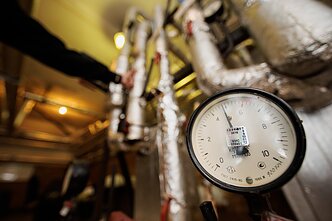














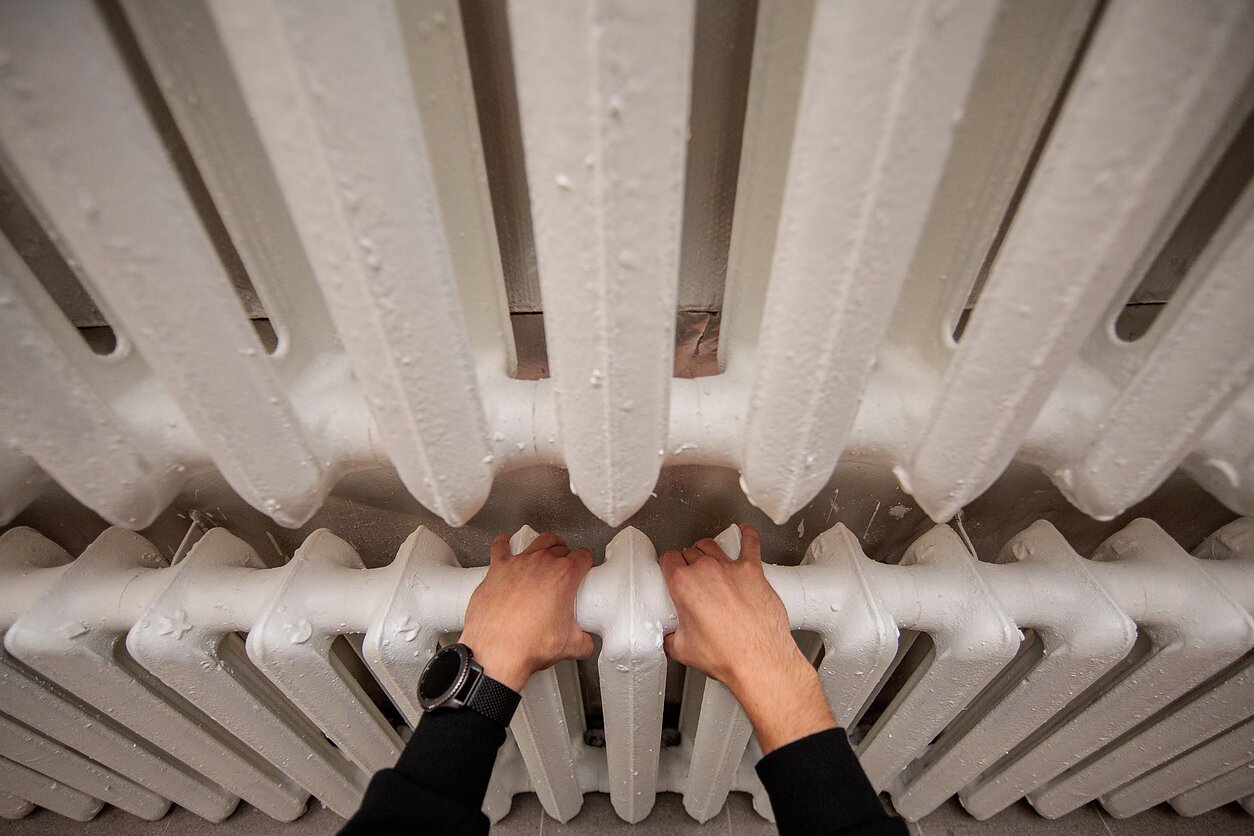
Residents across Lithuania are beginning to receive January heating bills, with many reporting sharp increases compared with last year as colder weather and the removal of a value-added tax break push costs higher.
In Kaunas, heating bills are about twice as high as in January last year, according to residents and district heating providers. Many say the figures are higher than expected.
Kaunas resident Reda Palauskienė says the January heating bill for her 83-square-metre apartment comes to 330 euros.
“I saw the bill and thought maybe we should apply for compensation,” said Paulauskienė, who lives with her husband and three children. “In December it was about 179 euros. We live in a fairly large apartment and it’s warm – we’re not freezing – but the price is huge.”

Residents of apartment blocks in the Dainava district said the higher bills are already straining household budgets.
“It’s higher than last month – about 60 euros more. That’s a lot,” one woman said.
Another resident said her nearly 47-square-meter, two-room apartment generated a bill of almost 200 euros.
“It’s good that I live with my son who pays,” she said. “If I had to cover this from my pension, it would be very difficult.”

Kauno Energija, the city’s district heating provider, said heat consumption in January was 65% higher than usual due to cold temperatures.
“In addition, the VAT rate increased from 9% to 21%,” said Virgilius Motiejūnas, the company’s finance director. “Together, these two factors mean that bills are roughly double compared with January last year.”
Residents in Alytus reported similar increases. Although many expected higher bills in January, the size of the jump still came as a surprise.
“Our apartment is standard, about 60 square meters, and the bill this year was around 180 euros,” one resident said. “In December, we paid just over 100.”
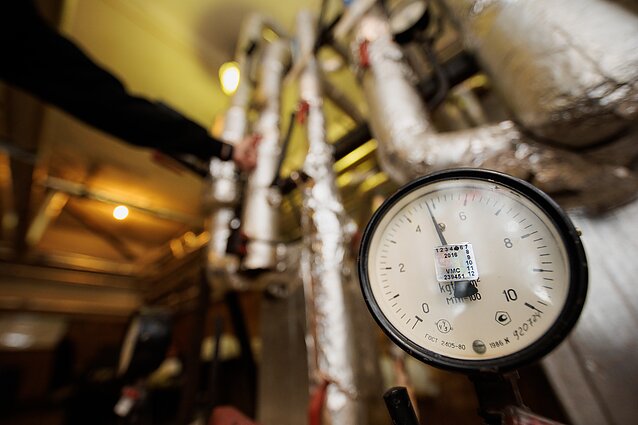
Mindaugas Neverdauskas, general director of Alytaus Šilumos Tinklai, said January bills were about 80% higher than in December. He said February bills may be slightly lower because the month is shorter but warned that extreme cold at the beginning of February – with temperatures dropping to -30 degrees Celsius – could keep costs high.
“I’m afraid to make firm predictions,” he said. “It will likely be similar to January.”
In Vilnius, residents also began receiving January heating bills on Tuesday. Mayor Valdas Benkunskas criticised the decision to abolish the VAT reduction for district heating, calling it socially insensitive.
KTU economist Evaldas Stankevičius said the tax change could have been implemented more gradually.
“Perhaps the rules could have been bent,” he said. “Instead of removing the benefit all at once – from 9% straight to 21% – it could have been increased step by step. This was a very drastic move.”
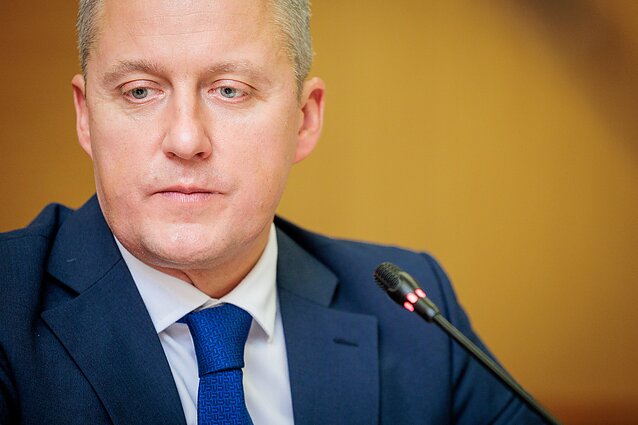
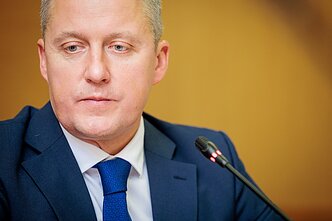
Energy Minister Žygimantas Vaičiūnas said there are other measures to help reduce heating costs in the long term, including apartment building renovation and modernisation of heating systems.
“These include large-scale apartment renovation, so-called small renovation of heat substations, and new measures for municipalities with small boilers and high heat prices to modernise their heating networks,” he said, adding that the Energy Ministry provides funding for such projects.
Meanwhile, social organisations say rising heating bills are increasing demand for assistance. Milita Žičkutė-Lindžienė, secretary general of Caritas Lithuania, said more people are seeking help, including single mothers, seniors and people with disabilities.
“At the same time, we see that this situation affects a much broader group,” she said. “It also impacts people with average incomes.”
According to the Ministry of Social Security and Labour, Lithuania is expected to spend about 80 million euros this year on compensation for housing heating and hot water costs.

Newsletter
Every Friday morning.