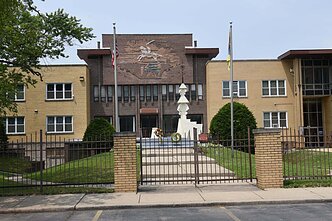















The Lithuanian parliament last week opened debate on a proposed constitutional amendment that would allow 16- and 17-year-olds to vote in municipal elections, a change supporters say would boost civic engagement among young people.
Students, who frequently visit the Seimas to observe lawmakers at work, have long argued for lowering the voting age in local elections. Martynas Dikšaitis, president of the Lithuanian School Students’ Union, said many 16-year-olds already shoulder adult responsibilities.
“A 16-year-old today can leave school, pay taxes, work, sign contracts, even be prosecuted,” he said. “Why then can’t they vote?”
Dikšaitis said extending the franchise would encourage more young people to join civic organisations and participate in public life. “This could be the moment when younger people are no longer pushed to the margins,” he said.
Backers of the amendment say the change would strengthen young people’s connection to their home communities, especially those who move away to study.

“Young people who leave their hometown to study gradually lose ties with their local community,” said Social Democrat lawmaker Tomas Martinaitis, one of the proposal’s authors. “By giving them the right to vote earlier, we hope to draw greater political attention to the expectations and problems of young people in local government.”
Liberal Movement MP Andrius Bagdonas said early participation could help form a lifelong voting habit. “The goal is to accustom young people to coming to the polls at an earlier age,” he said. “If they are active in gymnasium life or serve on school councils, we want to spark that interest sooner.”
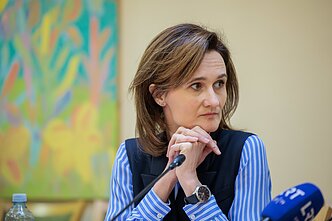
Justice Minister Rita Tamašunienė opposes the measure, arguing that many students lack sufficient knowledge of politics. “Based on what I see in political discussions and civic education classes, their understanding is still quite superficial,” she said.

But Viktor Fiodorov, an independent MP, argued that young people are capable of participating responsibly. “I began my civic activism at 16 in a youth organisation and later became the youngest member of the Seimas,” he said. “I see no problem with age.”
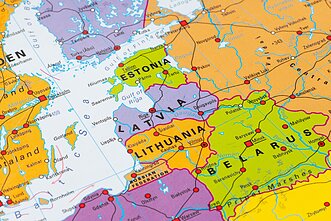
Several European countries already allow voting before age 18. Austria and Malta permit 16-year-olds to vote in all elections, while Greece sets the voting age at 17. Estonia introduced voting rights for 16- and 17-year-olds in local elections a decade ago.
Changing Lithuania’s Constitution requires broad political support, and lawmakers said debate on the amendment will continue in the coming months.

Newsletter
Every Friday morning.