










Several Lithuanian universities are protesting unannounced inspections by the Migration Department, saying that officers have entered lectures and dormitories without warning, requested documents from students and staff, and recorded video during the checks – actions academics argue disrupt teaching and undermine university autonomy.
The Migration Department says inspections are part of its effort to clamp down on foreigners who use university enrolment as a gateway to the EU’s job market.
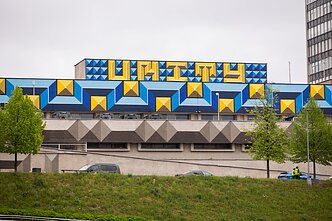
Kaunas University of Technology (KTU) said staff were startled last week when two unidentified women with video cameras entered the International Relations Department looking for foreign students.
“They did not introduce themselves or show any identification. They were filming our employees,” KTU spokesman Mantas Lapinskas said. The women were asked to leave, he added.
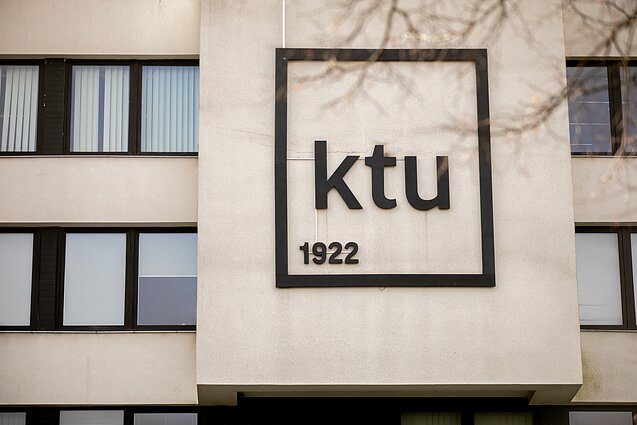
KTU officials said they had received no advance notice of any inspection and view such visits as a threat to autonomy. “Legally, there are two issues here: GDPR and data protection, because people were being filmed, and the matter of university autonomy. Any such visit must be coordinated with the university,” Lapinskas said.
Other universities reported similar encounters.
At Mykolas Romeris University (MRU) in Vilnius, officers entered lectures to check residency permits of non-EU students and filmed inside classrooms, said Audra Dargytė-Burokienė, head of the university’s International Office. “There are many types of students in these auditoriums,” she noted.

In response, universities are drafting guidelines instructing lecturers to request official identification and authorisation from any visiting inspectors. Institutions say they are willing to cooperate but insist inspections should never come as a surprise.
“We need to know in advance who is coming and what information they want. Teachers and students must feel safe. This was handled poorly – people were frightened and did not understand why they were being checked,” said Ineta Dabašinskienė, rector of Vytautas Magnus University in Kaunas.
Klaipėda University Rector Arūnas Razbadauskas added that state institutions typically notify universities ahead of audits. “No one is trying to hide anything,” he said.

The Migration Department, however, says universities’ reactions raise concerns.
“There are cases where higher education institutions rudely refuse to open doors and tell us to leave. Then we immediately must ask what they fear and what they are hiding from us,” Migration Department Director Evelina Gudzinskaitė said.
She said the checks aim to verify whether non-EU students granted residence permits are genuinely attending studies rather than using enrolment as a way to enter the EU and seek work elsewhere. Officers visit both lectures and dormitories. Attendance is mandatory for foreign students with residence permits, unlike for Lithuanian students.
“We have identified cases where, according to the schedule, students should be present, but not a single student is found in the room,” Gudzinskaitė said.
The department plans to conduct at least one inspection at every higher education institution and later issue recommendations. According to its data, about 10,000 students currently hold temporary residence permits in Lithuania, most of them from India, Pakistan and Bangladesh.

Newsletter
Every Friday morning.