











Lithuania’s Migration Department is urging universities to step up oversight of international students after finding growing cases of abuse in which study programmes are used as a pretext to obtain residence permits.
Foreign students in Lithuania now number more than 9,000. Their presence is increasingly visible on campuses: at Klaipėda University, they make up about 12% of the student body. Students from countries such as India, Pakistan and Bangladesh have surged in recent years, according to the Migration Department.
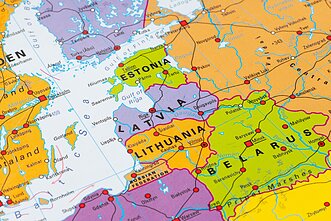
“I looked at a map showing countries that offer undergraduate degree programmes in English,” said Prathmesh Shah from India. “This is where I saw Lithuania.

Most foreign students are motivated by academic goals. “I want to gain experience, practice, and achieve my goals,” says Shah. “Others come here with different intentions, they start working right away and skip lectures.”
A recent inspection revealed that some institutions admitted students who spoke no English or allowed them to continue studies without earning any credits, while still helping them renew residence permits.
“Some universities let students continue even if they haven’t earned a single credit and should have been expelled, simply because they paid tuition,” Migration Department Director Evelina Gudzinskaitė said. “The institutions then keep assisting them with residence permits.”

The department said violations were found at nearly all higher education institutions, though it expects that public criticism will push universities to tighten controls rather than face sanctions. This year alone, authorities have revoked 780 residence permits for students who abandoned their studies.
Universities say they have already introduced safeguards, including entrance exams, interviews, and monitoring of attendance once classes begin.
Klaipėda University Rector Artūras Razbadauskas said students who skip classes are warned and, if problems persist, referred to migration officials.
“We admit only about a third of applicants,” said Ingrida Janulevičiūtė, head of the international relations office at the Lithuanian University of Health Sciences. “We try to select the best and identify those who would use the university as a gateway to Europe.”

At Kaunas University of Technology, international applicants from certain countries must take a standardised math test before applying, followed by interviews, international relations director Giedrė Šadeikaitė-Gjorsheski said.
Universities argue that migration authorities should also improve their own procedures to help motivated students. Residence permits currently take up to four months to process, leaving some unable to start classes on time.
Despite the challenges, many foreign students say they are satisfied with their studies and life in Lithuania. “I really like it here, everything is great,” said Humay Seymurlu from Azerbaijan.

Newsletter
Every Friday morning.