








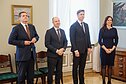


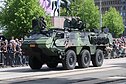
The Desovietisation Commission, set up by the previous government and charged with reviewing public symbols linked to the Soviet Union, has decided to resign after criticism from politicians in recent weeks.
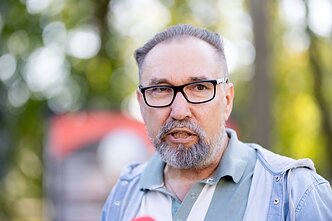
“Yes, by mutual agreement we decided to end our work,” Vitas Karčiauskas, its chairman, told on Wednesday. “As to how this is going to happen, we’ll set up an editorial board to prepare a document that we’ll all sign.”
The commission feels it cannot continue its work because it does not have confidence from top politicians, he added.
More than 20 Social Democrat MPs have proposed disbanding the Desovietisation Commission and letting municipal authorities themselves make decisions on renaming streets and squares or removing monuments.
The initiative has received support from Prime Minister Gintautas Paluckas and Parliament Speaker Saulius Skvernelis. President Gitanas Nausėda has accused the commission of “politicking” and said he “wouldn’t shed a tear” if it were disbanded.
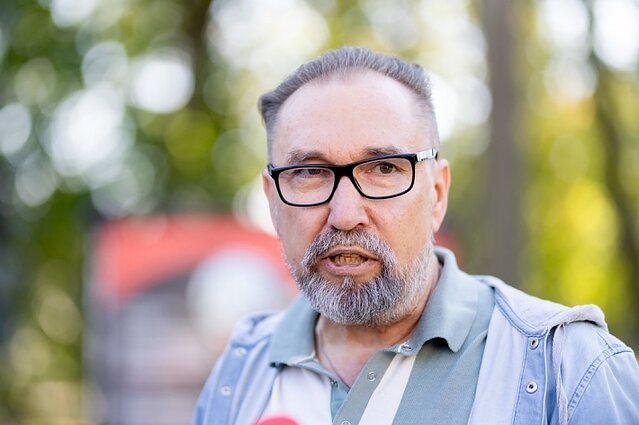
Karčiauskas said that the resignation also responds “to the legislative amendments and statements from top state officials declaring that we are unnecessary”.
“The chairman of the Seimas Committee on Culture [Kęstutis Vilkauskas] also said we’re working inefficiently. We don’t understand how we could be more effective, but if they [the politicians] think so, then let them do the work,” he told BNS.
Critics of the Social Democrats’ proposal say it will derail the “desovietisation” process started by the previous conservative-led government in the wake of Russia’s invasion of Ukraine.
The previous parliament also passed a law banning public display of signs “promoting totalitarian and authoritarian regimes” and their ideologies, which came into force in May 2023.

Questions about whether specific sites violate the law are first reviewed by the Desovietisation Commission, made up of experts, with final decisions made by the director general of the Genocide and Resistance Research Centre of Lithuania (LGGRTC).
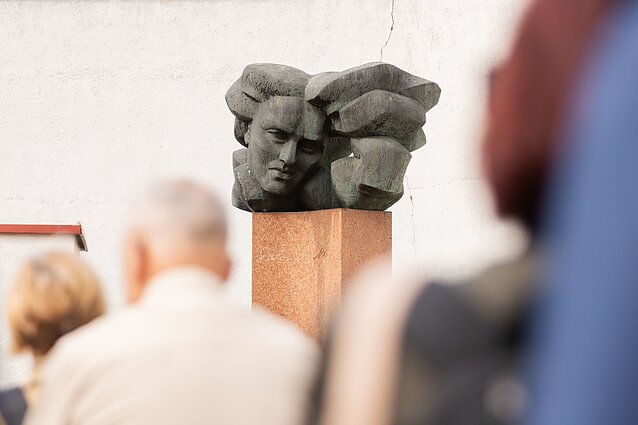
Some decisions have sparked controversy and resistance from local authorities. The Klaipėda City Council twice rejected proposals to rename streets named after the poets Salomėja Nėris and Liudas Gira.
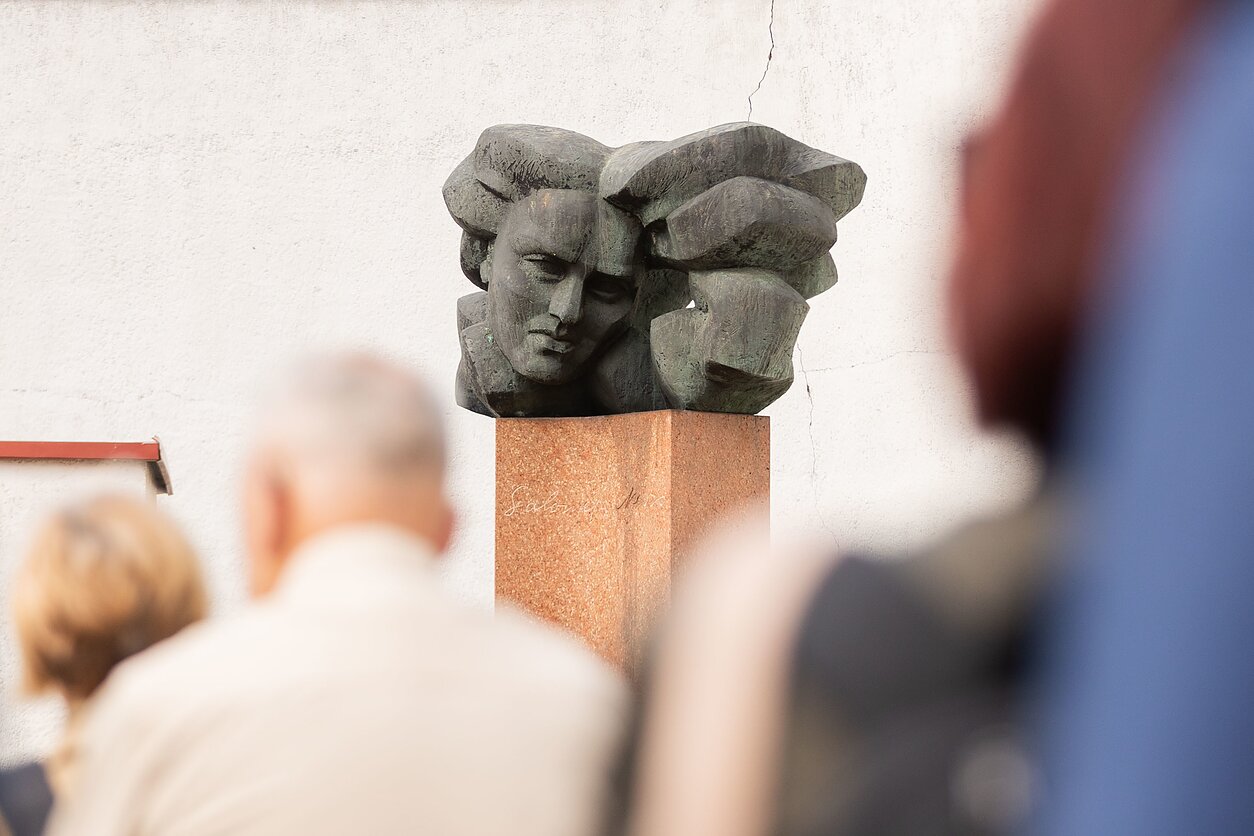
The Radviliskis District Council refused to change the names of Salomėja Nėris and Romanas Zabenka streets in Baisogala. Protests have been held in Vilnius over the planned removal of a monument to Nėris.

Newsletter
Every Friday morning.