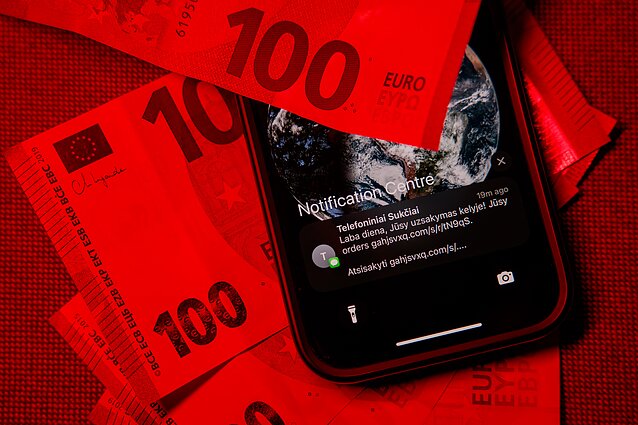
















Lithuanian police are sounding the alarm over what they describe as an epidemic of fraud, with victims losing their homes and entire life savings to sophisticated criminal schemes.
Authorities say fraudsters are now so well-organised that they receive formal training abroad in dedicated scam “training centres”.
“Today, this is one of the most common crimes in Lithuania,” said Roma Kryževičienė, a senior specialist at the Public Order Service. “They reach victims through phone calls, emails, SMS messages, and even pop-up ads while browsing the internet.”
Senior citizens are particularly targeted. Many women attending the University of the Third Age shared personal experiences of scam attempts.
“One caller told me to go to a police station, to a specific office, and change my online banking credentials. I called the station, and they confirmed the office exists, but said they never make such calls,” one woman said.
Another recounted a scammer’s emotional plea: “They told me my grandson was in a serious accident and needed €2,000 for surgery.”
The women said they were able to avoid falling victim by noticing red flags such as Russian-speaking callers, unusual call times, and vague or inaccurate details.
Police say fraud reports appear in daily crime summaries, sometimes multiple times a day. In some cases, victims are persuaded to sell their apartments or transfer their life savings before realising they’ve been duped – often too late for recovery.

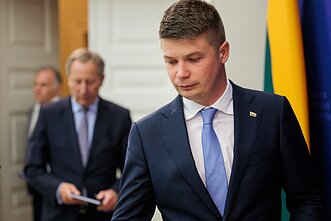
“These are not random crimes. This is a structured business,” said Ramūnas Sarapas, head of the Klaipėda County Police Department. “People invest in these operations; they’re trained. The calls are not coming from prison cells but from organised offices. One victim alone lost half a million euros last autumn.”
Investigations are often complicated by international money transfers. Funds typically move quickly through multiple bank accounts and across borders, making recovery extremely difficult. Only about one-third of such crimes are ever solved, police say.
“If third countries get involved, it gets even harder. We sometimes wait years for legal assistance,” Sarapas said.
Police emphasise that any communication in a foreign language is a red flag. In Lithuania, official institutions conduct business in Lithuanian only. Banks never request login credentials, never send couriers to collect cash, and never ask to inspect debit or credit cards.
“In one case, a victim received a message saying a delivery couldn’t be completed due to insufficient funds,” Kryževičienė said. “They were asked to pay €2, but instead €700 vanished from their account.”
Authorities advise the public to hang up immediately if a call seems suspicious and to contact trusted family members or the emergency number 112 for verification.

Newsletter
Every Friday morning.