















Transgender people in Lithuania continue to face systemic discrimination in the labour market, including open ridicule, isolation and psychological abuse, according to experts who spoke at a parliamentary discussion marking the International Day Against Homophobia, Biphobia and Transphobia.
“Eight times I was openly told they don’t accept people like me,” one transgender person shared. “Over the phone, they didn’t even avoid making jokes,” said another. “They stopped letting me consult at all. I was cut off from everything – total isolation.”
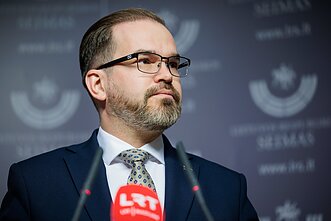
The discussion, titled “Is It Safe for LGBTQ+ People in Lithuania? Insights and Perspectives,” was held at the Lithuanian parliament, Seimas, and included findings from recent research by the Office of the Equal Opportunities Ombudsperson. Quotes from trans people come from the research.
“There’s little to celebrate when it comes to ensuring the rights of transgender people in Lithuania,” said Ieva Laugalytė, an expert at the office. She cited a European trans rights index that shows Lithuania meets just five out of 32 equality benchmarks.

A recent national survey also found that only 22% of Lithuanians would feel comfortable working with a transgender colleague. That number drops to 19% when it comes to a transgender person in a leadership role, and even lower if such a person worked at their child’s school.
“These legal gaps and public attitudes directly affect how trans people feel at work,” Laugalytė said. “One in three reported feeling discriminated against in the workplace or during job searches in the past year – yet 93% did not report the discrimination.”
Psychological abuse and hostile workplaces
The study found that trans people in Lithuania often face inappropriate and invasive questions during job interviews, including about their gender identity and possible medical transition. Interviewers would frequently refuse to use the person’s chosen name or pronouns, even when explicitly asked to.
Many were denied jobs solely because they are transgender – often with no attempt to disguise the reason.
“In Šiauliai, it was impossible to find a job, even with the right experience,” one person shared. “As soon as they heard I was trans, the interview was over.”
Mažvydas Karalius, another expert from the ombudsperson’s office, added that early steps in a person’s gender transition are frequently met with psychological violence, gossip, bullying and social exclusion.

“People we spoke with experienced abuse from supervisors, coworkers and even clients,” he said. “This often took the form of gender stereotyping, accusations that the person did not fit the image of a ‘real’ man or woman.”
One individual, referred to as Viktorija, said she was abruptly removed from all work responsibilities after coming out as trans.
“They didn’t let me do anything anymore. No consulting, no projects – complete isolation. I fell into a deep depression,” she said.
Trans employees also reported being denied access to gender-appropriate uniforms, restrooms and even basic updates to their work profiles after legally changing their name or gender.

“These experiences have a profound negative impact,” Laugalytė said. They lead to anxiety, burnout and block people from career advancement. Even with experience and skills, trans people are effectively shut out of leadership positions.
“Discrimination in the workplace amplifies exclusion in every other part of life,” she added.

Newsletter
Every Friday morning.