













Following a landmark Constitutional Court ruling, two same-sex couples have already applied to register civil partnerships in Lithuania, officials confirmed this week.
Last Thursday, the Constitutional Court declared that the lack of legal recognition for same-sex partnerships in Lithuania violates the country’s constitution. The decision has prompted several couples to begin preparing to seek legal recognition through the courts, despite uncertainties surrounding the process.
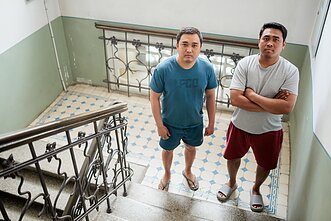
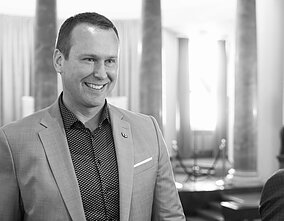
What began as a legal battle in Lithuania ended in a wedding in Belgium for Martynas Norbutas and his husband, Marius. The couple had previously tried to formalise their relationship in Lithuania but were denied by the courts.
Following the top court’s ruling, which found the ban on same-sex partnerships discriminatory, more couples are expected to pursue legal recognition of their relationships.
“Same-sex couples won’t be able to celebrate that day – it’s going to move into the courtroom, and it’ll be a long process,” said Norbutas, who married his partner in Belgium. “It depends on how busy a given court is, but the first step is to go to the civil registry office.”
Two same-sex couples have submitted partnership applications at the Civil Registry Office in Vilnius, though their requests have not yet been processed. Without specific legislation in place, the applications are expected to be denied, with officials likely to suggest that the couples pursue the matter in court. No applications have been reported in Kaunas or Klaipėda.
Some couples are now jokingly rephrasing the traditional proposal question.
“I was asked not ‘Will you marry me?’ but ‘Will you go to court with me?’ I said yes,” said Jūratė Juškaitė, director of the Lithuanian Human Rights Centre.
Juškaitė and her partner plan to bypass the registry office entirely and head straight to court. “This legal practice needs to be established,” she said, urging courts not to reject applications solely on procedural grounds, especially for those without legal representation.

Legal experts say it may indeed be sufficient for couples to go directly to court. A law firm has already announced it will offer free legal assistance to couples seeking partnership recognition. Since the court decision was issued, 11 same-sex couples have reached out for help.
However, legal uncertainties remain, even among attorneys. The main question: What rights will recognised partners actually receive?
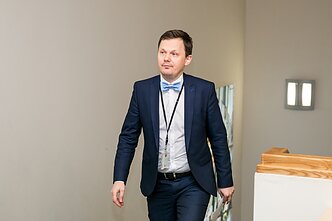
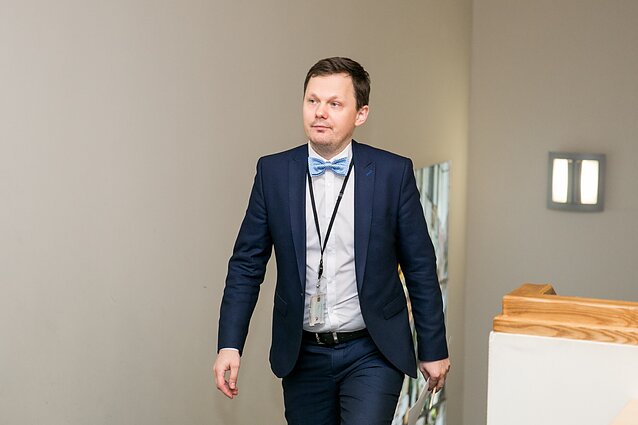
“There are clear provisions in the Civil Code regarding property rights, but there’s still ambiguity around everything else – mutual support, relations with children, inheritance, even the process for registering the partnership,” said Donatas Murauskas, an attorney at Ellex.
“These are the challenges we face without legislation – how to fill that legal vacuum so that all families are recognised and can enjoy their rights,” said Karolis Kurapka, a partner at the Constat law firm.
Partnership recognition through the courts could take up to half a year.
“We believe a simplified procedure could be used. Realistically, it could take about four to five months,” Kurapka estimated.
Until Lithuania’s parliament passes legislation legalising same-sex partnerships, the only path to recognition for these couples is through the courts.

Newsletter
Every Friday morning.