
















Drivers in Lithuania and the European Union will face new rules, which are due to be implemented by all member states in the next four years. Here’s how they could affect you.
Under new regulations, digital driving licenses to be stored on smartphones will become the main identification method. However, drivers will still be able to request to be issued a physical card.
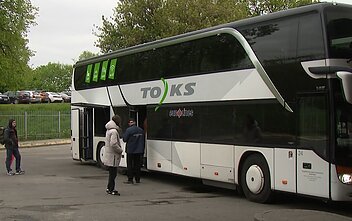
To tackle the shortage of lorry drivers, the minimum age for obtaining a category C licence (for heavy-weight vehicles) will be lowered from 21 to 18, while the age requirement for bus drivers to be reduced from 24 to 21.
People aged 17 will also be allowed to drive lorries or vans within their country, provided they are accompanied by an experienced driver.
Meanwhile, if a person loses their driving licence in one EU country, the ban will apply across the entire Union. At present, if a licence is revoked, the penalty is often only enforced in the country where the offence occurred. Other member states, including the one that issued the licence, typically remain unaware.
Severe traffic offences – such as driving under the influence of alcohol or drugs, involvement in fatal road accidents, or exceeding the speed limit by more than 50 km/h – will now lead to a licence suspension.

In such cases, authorities will have 20 working days to notify the driver and inform them of their right to appeal.
All EU countries will also enforce a mandatory two-year probationary period for new drivers. During this period, new drivers will face stricter penalties for offences such as drink-driving, not wearing a seatbelt, or incorrectly securing a child passenger.
The new rules will also make it easier for EU citizens to obtain a car driving licence while living in another member state. If the host country does not offer driving tests in one of the official languages of the person’s country of origin, the individual will be permitted to take the test and receive a licence in their home country – even without officially residing there.
The updated rules aim to improve road safety across the EU, where nearly 20,000 people are killed on roads each year. The goal is to reduce this number by at least 50% by 2030.

Newsletter
Every Friday morning.