












The Lithuanian government plans to allocate around 17.5 million euros over three years for counter-mobility measures and infrastructure adaptation, with up to 3 million euros to be spent this year.
The Defence Ministry registered the respective draft government resolution last week.
“According to preliminary estimates, the implementation of the military counter-mobility measures set out in the draft resolution may require around 17.56 million euros,” the document reads.
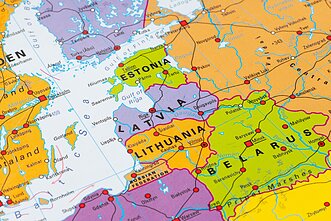
The plan is to install counter-mobility parks at locations designated by the Lithuanian Armed Forces along the border with Belarus and Russia’s Kaliningrad region by April 1, 2025.
By November 2025, reserve barriers are to be installed on roads of national importance and approaches to bridges. Engineering structures on bridges for securing explosive materials will also be built in accordance with military requirements.
Drainage ditches and streams in southwestern Lithuania are to be designed and restored to their original technical parameters by the end of 2027.
The plan also calls for setting up tree alleys along road sections designated by the Lithuanian Armed Forces by late 2027.
The implementation of these measures is being financed from the Defence Ministry’s budget allocations this year, with up to 3 million euros earmarked for this purpose. Starting next year, funding should come from the State Defence Fund.
The Defence Ministry in late June signed contracts for the acquisition of counter-mobility equipment, which is to be delivered to 28 counter-mobility parks in various locations in Lithuania this summer.
Defence Minister Laurynas Kasčiūnas has said that work on the fortification of some border areas will start at the end of summer.
The Lithuanian defence system will require an estimated 600 million euros over a decade to acquire counter-mobility equipment, according to the minister.
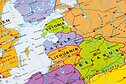
The leaders of Lithuania, Latvia, Estonia. and Poland last week signed a letter calling on the European Union to build a defence line along the bloc’s eastern border with Russia and Belarus to protect against military and hybrid threats from these countries.

Newsletter
Every Friday morning.