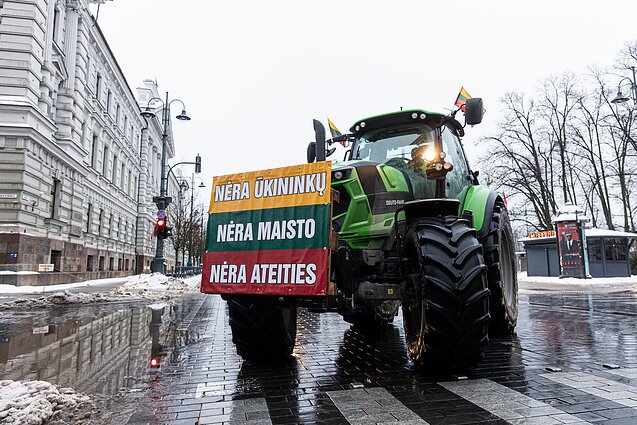








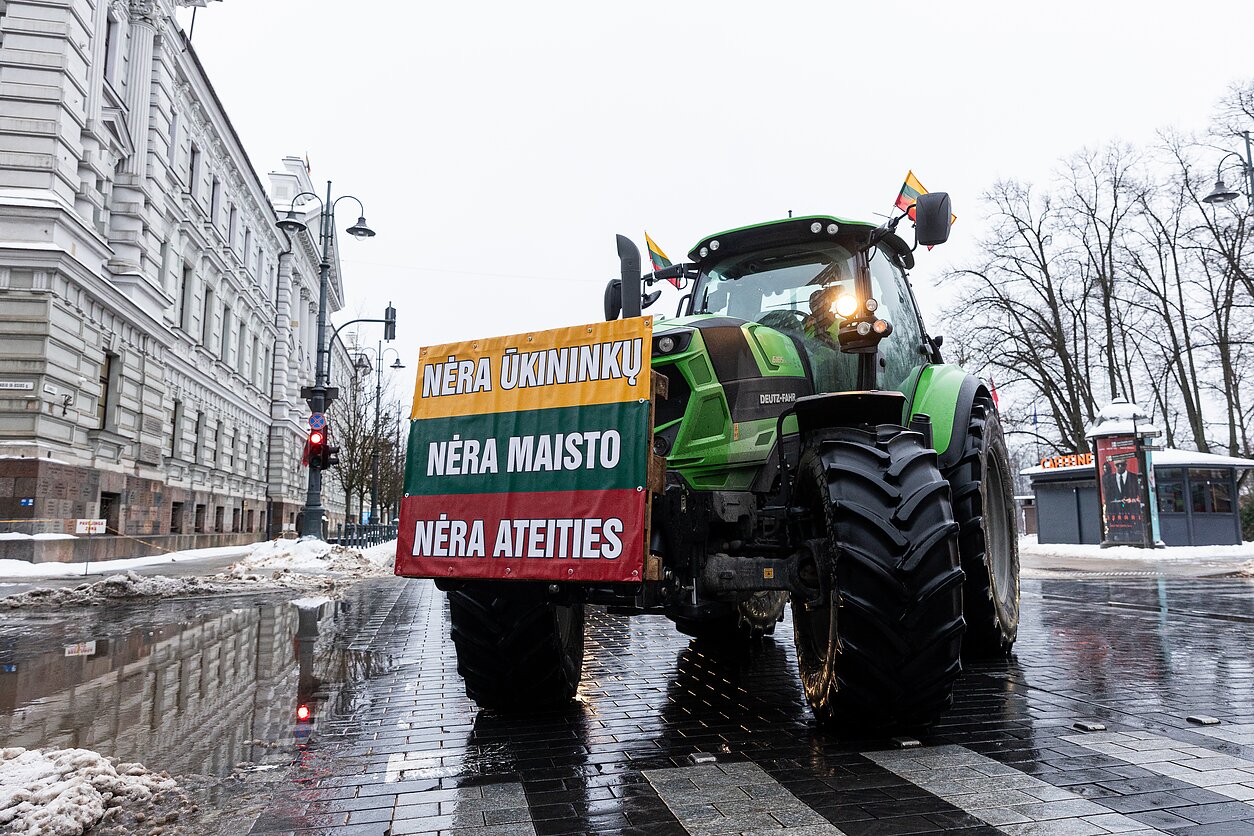
The Lithuanian parliament on Thursday slashed the excise duty on liquefied petroleum gas (LPG) from 304 euros to 13 euros per ton as of March 1, lower than the government’s proposed rate of 41 euros. This was one of the demands of the recent farmers’ protest.
In the same vote, the parliament lifted restrictions on the use of untaxed diesel by farmers, with 108 MPs voting in favour, none opposing, and five MPs of the Freedom Party’s group abstaining.
Environment Minister Simonas Gentvilas, the most vocal opponent of the LPG excise tax cut, did not take part in the vote. Prime Minister Ingrida Šimonytė was also absent.
Before the vote, some MPs thanked the farmers who drove their tractors to the parliament and government buildings in Vilnius last month “to show what a force they are”.
Kęstutis Mažeika, a member of the Committee on Rural Affairs, said that household users of LPG, not farmers, will benefit most from the tax cut.
“Lately, people have been going to both Latvia and Poland with cylinders to buy [LPG],” he told reporters after the vote. “These people will feel the effect the most and earlier than farmers, who will only feel the change in the summer.”
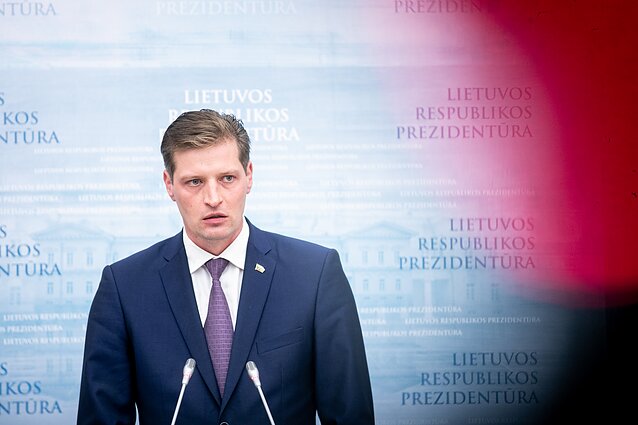
Mindaugas Lingė, chairman of the Committee on Budget and Finance, told BNS on the eve of the vote that by lowering the rate to 13 euros, the parliament would essentially compensate households and businesses for paying the 304-euro excise duty on LPG from January to February.
In January, farmers staged a large protest in Vilnius to press their demands that the government reverse the LPG excise duty hike in effect since January 1 and bring back a reduced excise tax rate on diesel fuel for their trucks.
Gentvilas said on Wednesday that a low LPG excise duty would encourage further imports of the product from Russia, and discourage people and businesses from investing in less polluting fuels.
With this decision, the parliament is retreating from the course of reducing pollution and active fight against climate change, he said.
Further reading

Newsletter
Every Friday morning.