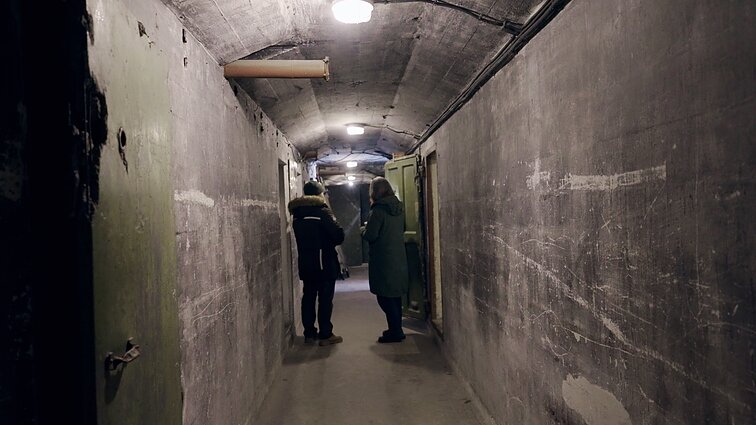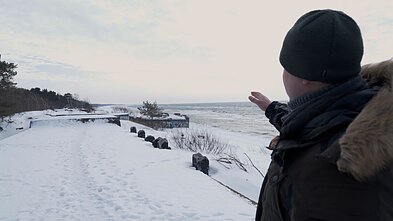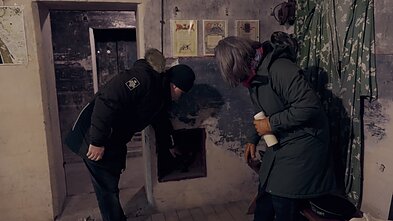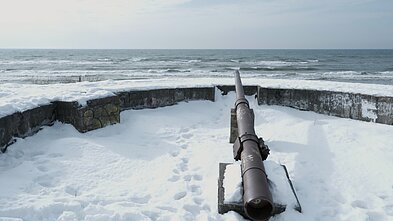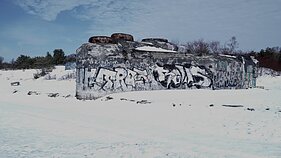





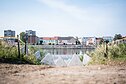


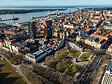

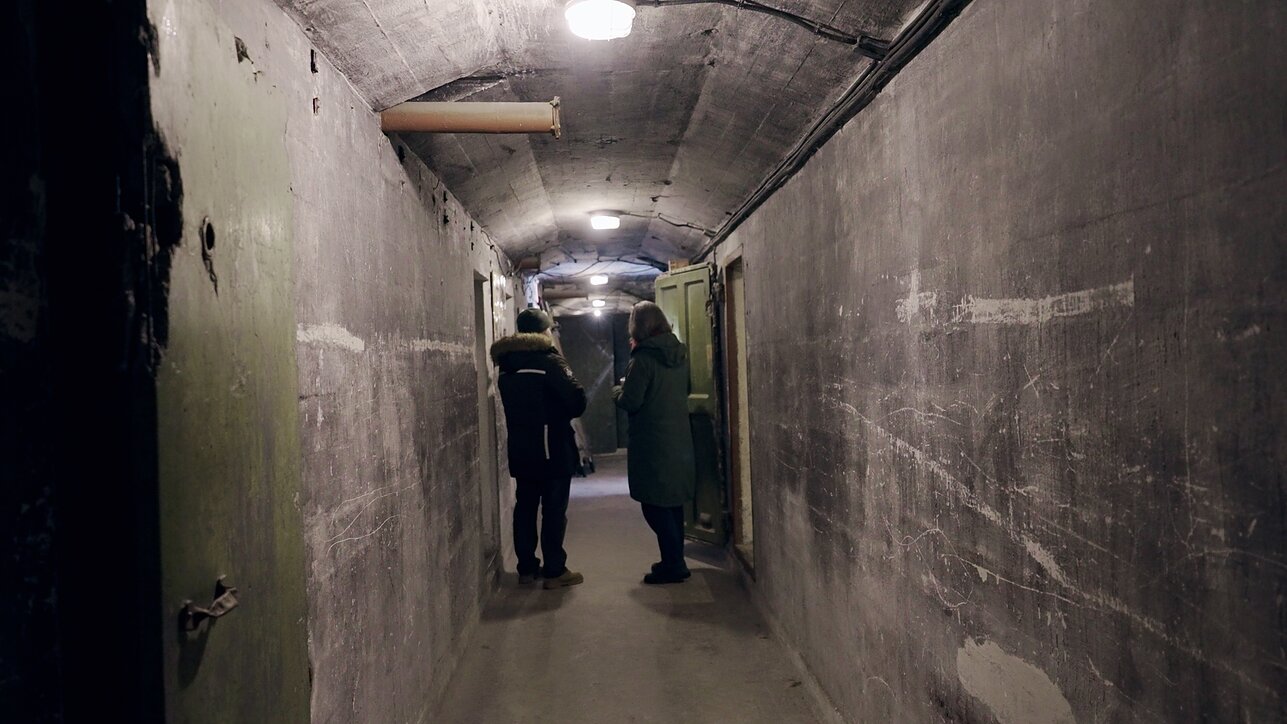
On the Baltic coast just outside the Lithuanian port city of Klaipėda, a remarkable piece of Second World War history is hiding in plain sight. The gun emplacements of battery Memel-Nord are visible from the beach – and beneath the dunes, an entire network of bunkers, corridors and living quarters has survived largely intact.
Klaipėda – Memel in German – was part of Germany until 1919, when it was placed under French administration by the Treaty of Versailles, before being seized by Lithuania in 1923.
It was annexed again by Nazi Germany in March 1939, becoming the last territorial acquisition Hitler made without immediate military conflict. The battery that now bears its name was built in the months that followed.
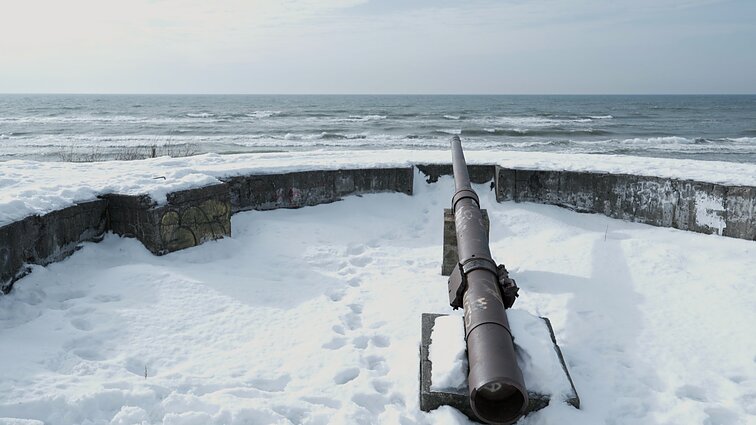
Built and maintained by the German military between 1939 and 1945, Memel-Nord is, according to historian and museum specialist Dr Titas Tamkvaitis, the only structure of its kind in the Baltic states.
Today it survives as a museum.
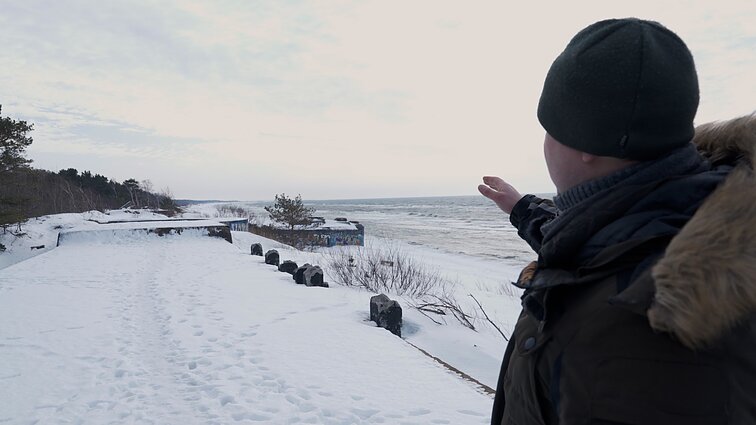
"The battery consists of two artillery blocks, each containing two gun positions, with a fire control bunker integrated between them. A power station bunker and an ammunition store were built at what was then a children's camp Žuvėdra nearby," he explained.
The Germans constructed several anti-aircraft artillery batteries along this stretch of coastline, forming a defensive ring around Klaipėda, then known as Memel.
But Memel-Nord occupies a particular place among them: its gun positions remain visible from the public beach, an oddly striking reminder of the war in an otherwise peaceful seaside setting.
Inside the northern artillery block, Tamkvaitis points to the original barrel of a Flak 40 anti-aircraft gun – one of the most powerful such weapons deployed by Germany during the war.
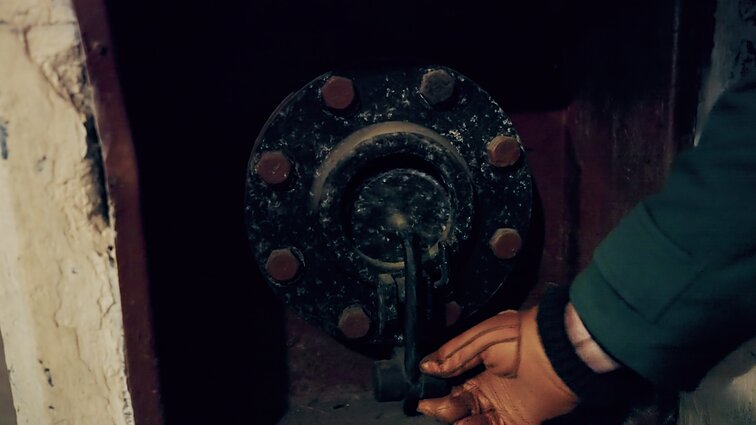
"During the Second World War, the gun was almost entirely buried under sand. Inside, you can still see a ring that once held a rangefinder – a device used to calculate the distance to a target and relay the data to the guns so they could fire accurately," he said.
What makes Memel-Nord striking is not just its military hardware but the quality of life it afforded its garrison. Coastal anti-aircraft batteries were considered relatively comfortable postings by wartime standards.
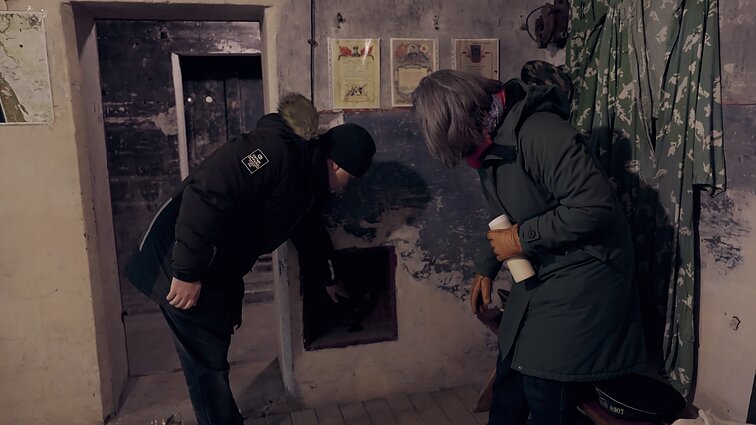
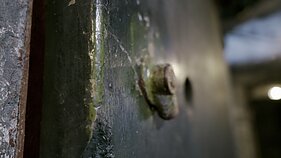
"The northern artillery block alone had four rooms for soldiers to rest and sleep. There was hot and cold running water, heating and ventilation," Tamkvaitis said, gesturing to an original German Navy-era radiator still fixed to the wall.
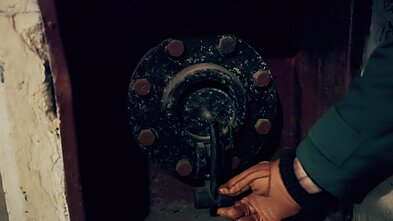
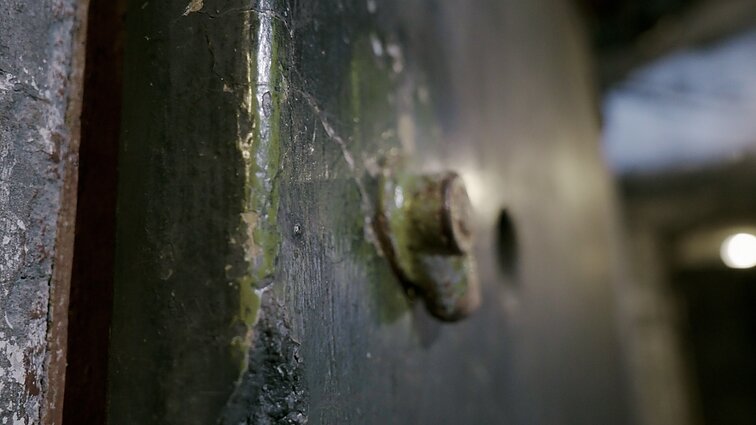
The concrete doors weigh around 350 kilograms each and were designed to absorb blast waves. "It would be safer in here than in most of the buildings standing in the city today," he observed.
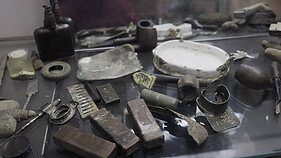
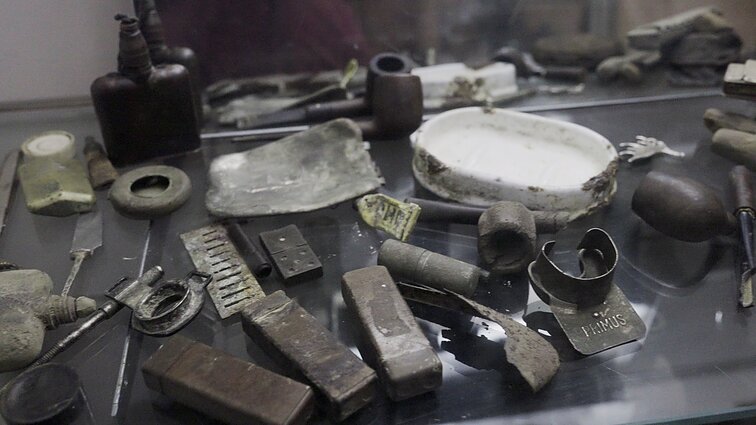
The bunkers contain a small but evocative exhibition, most of it assembled from objects found during restoration work: field rations, personal effects, toothbrushes, cologne, crockery and bottles – the mundane traces of men living and waiting underground.
For years after the war, the site was abandoned and eventually occupied by homeless people. It was eventually listed as a protected cultural heritage site and has since been carefully restored.
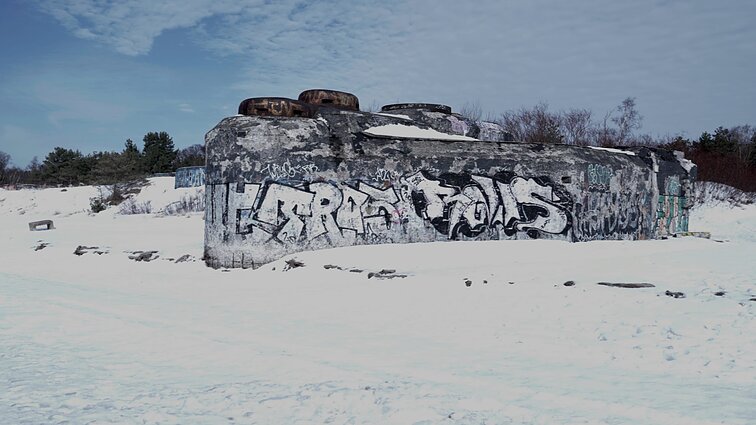
Today it draws a steady stream of visitors, particularly in summer; in winter, the exhibition opens at weekends.
"There is nothing else like this in Lithuania. Structures of this category exist essentially only in Klaipėda," Tamkvaitis said.

Newsletter
Every Friday morning.