















Hayao Miyazaki’s new film The Boy and the Heron will not be screened in Lithuania after all the country’s cinemas refused to cooperate with the distributor due to its links with Russia.
One of the most anticipated animated films of 2023 and a possible contender for next year’s Oscars will not reach Lithuanian cinemas, according to an announcement by Lithuanian film theatres and film distributors on Thursday.
The last anime film by the legendary Japanese director Miyazaki was due to be released at the end of this year.
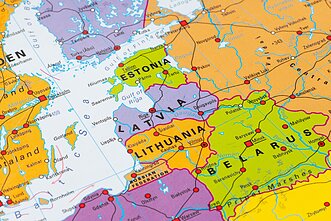
According to the announcement, the country’s cinemas were informed back in October that distribution rights in the Baltic states of The Boy and the Heron were acquired by a company based in Estonia, Artgene. There had been talks that Goodfellas, the French company that held the original rights to the film, had sold the rights to distribute the film in Russia, the Baltic states and other countries in the region to business entities linked to Russian capital.
Aware of these allegations, Lithuanian cinemas were cautious when approached by Artgene and checked in more detail all the publicly available information.

According to the statement, all Lithuania’s exhibitors decided not to show the film after finding Artgene’s links with Russia.
“As the opening day approached, all the cinemas that refused to show the film received an official statement from a representative of the Artgene company, which outlined their position, the passing of the rights from the animation studio all the way to the Baltics, and at the same time included a kind of a threat that Lithuania would be publicly slandered in the world for sabotaging the film,” the statement said.
The move, according to the statement, is also aimed at drawing the attention of the big sales agents “not to be enticed by the money of distributors linked to Russia” and to bundling together film rights in the countries of the former Soviet Union. This distorts the competitive opportunities for local distributors, the statement said.
In addition to film exhibitors, the statement is supported by other representatives of the Lithuanian film market, including film distributors, producers, other companies and individuals.
“The Lithuanian film community calls on the other Baltic countries to react to this information and Russia’s potentially harmful actions to the Baltic economy and the film industry, and also to prevent the aggressor state from doing business,” said the statement.

Newsletter
Every Friday morning.