














A school in Lithuania’s northern Akmenė District has become the first to ban students from keeping phones during classes.
Elena Čiobienė has been a Lithuanian teacher for almost 40 years. Even without technology, she says, students were inventive in keeping themselves busy with everything except studying. But with smartphones, she says, it is much worse.
“The distraction is much greater than before, when children would just chat with one another during lessons,” says the teacher. “And now the distraction of phones, of course, it’s more damaging than it was before.”
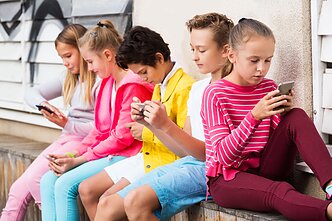
Even primary school students, some of them still learning to read, bring mobile phones and hardly ever let them go.
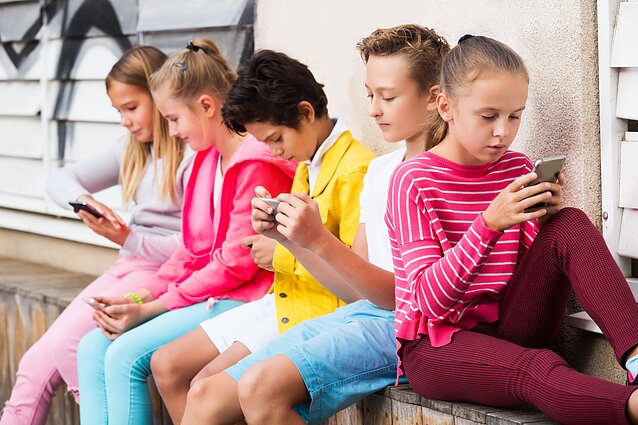
“I have noticed that primary school children bring all kinds of phones,” says teacher Jūratė Šiurkienė. “Some are for communication, they can call their parents, but others bring fancy phones to show off to other children. In neither case is it good for the educational process.”
Ventos Gymnasium in the District of Akmenė is the first school in the country to take on the problem head-on. Students are required to put their phones in lockers when they come to school and cannot retrieve them until they go home. That means they cannot use phones even during breaks.
“This was prompted by teachers saying that there is a big problem of students getting addicted to phones in class,” says Daiva Gricienė, the school’s headmistress. “They no longer follow the rules, no longer want to put them in the designated places, we had to find other places.”
Students say getting used to the new rules was not easy.
“Everyone used to scroll on their phones during breaks. Now we communicate more. And time passes more slowly,” says Augustas Kiudulas.
“Now we talk more,” agrees another student, Austėja Rimkutė. “Maybe we discuss lessons more, and when we’re older, we talk more about the subjects we pick. We just communicate more.”
Experts warn that more and more pupils are becoming emotionally dependent on their smartphones. The problem has become even more acute since the pandemic.
“Even during breaks, they don’t really play with each other, they just sit next to each other and play games on their phones,” observes social educator Rasa Noreikienė. “Reducing bullying is also very important. During the last academic year, we were confronted with photography, filming during breaks, during lessons, creating various memes that were circulated in private groups.”
The education community has been discussing for years the merits of banning mobile phones in all educational institutions. A draft law regulating the use of mobile phones has been debated in the parliament, but so far there is no national policy regarding mobile phones at school.

Newsletter
Every Friday morning.