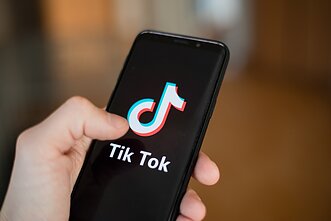














Amid concerns over safety of the video-posting network TikTok, Lithuania has no plans to ban the app from government phones. However, some argue recommendations for civil servants not to use the app are not enough.
With its short-form videos, TikTok has gained popularity in a flash. One billion users worldwide in three years. In Lithuania, it is popular with youngsters, but not just them –Deputy Defence Minister Greta Monika Tučkutė has also fallen for the fad.
“I had it installed once, but I didn’t use it," says Tučkutė. She has now deleted the app, and not just because she was not interested in the content.
“I know the threats that come from it being a Chinese product,” says Tučkutė.
The popularity of TikTok has not impressed security experts either.
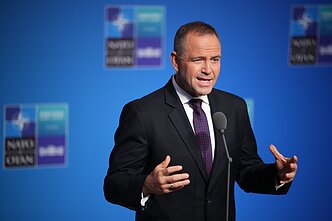
“Maybe it’s because I’m too cautious, or maybe I’m too conservative to install every innovation without carefully evaluating it on my phone, which I have kept all my life,” says one of them, Edvinas Kerza.
In the United States and Europe, there are growing fears about security. The Chinese government, their argument goes, has the power to make private companies share user data.
“These apps are being exploited to collect data and send it to countries that do not have a data protection treaty,” insists Kerza.
More and more institutions across Europe and the US are putting restrictions on TikTok: employees of the European Parliament and the European Commission will not be able to have the app on their work phones. Officials in Canada and the United States will also have to remove it.
Beijing assures that TikTok data is safe.
“Europe should stop abusing the notion of national security,” says Mao Ning, spokeswoman for China’s Foreign Ministry.
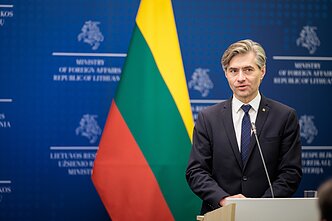
Latvia’s foreign minister has reportedly deleted his TikTok account. The head of Lithuanian diplomacy did not even have one.
TikTok is not among the apps allowed to be installed on official phones, nor is it among the apps allowed to be installed on the official phones of the Ministry of Foreign Affairs and the Ministry of National Defence.

“In theory, people can install it, but in practice it is suggested not to do so,” says Tučkutė, deputy minister of defence.
Politicians are considering whether to outright ban it.
“I do not rule out that in the near future we may move towards banning the use of TikTok by politicians, civil servants, decision-making groups,” says MP Laurynas Kasčiūnas, chairman of the parliamentary National Security and Defence Committee.
Kerza, a cyber security expert, agrees that recommendations may not be enough.
The ban, if introduced, would only apply to civil servants and their official phones.
Previously, Lithuania has banned the use of software from the Russian company Kaspersky Lab on critical infrastructure computers because of alleged threats to data security.

Newsletter
Every Friday morning.