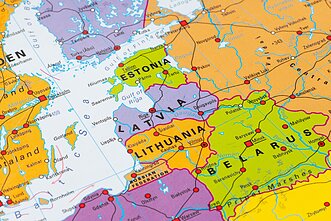
















Following a recent report by Reuters that the Baltic countries have doubled their purchases of liquefied petroleum gas (LPG) from Russia in the past year, Lithuania’s Ministry of Energy assures that the country’s energy infrastructure is not used for such imports.
Reuters reported earlier that Russian exporters have more than doubled their LNG exports to the Baltics in 2022, according to three trade and cargo management sources in the region. Some of the gas is then reexported to Ukraine.
Read more: Russia doubled LPG exports to Baltics in 2022 – media
The Ministry of Energy assured that Lithuania’s energy infrastructure is not used to import Russian natural gas, electricity and oil products.
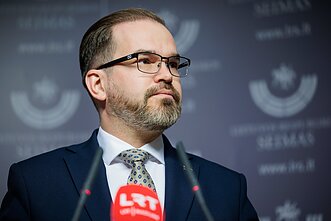
“Neither the LNG terminal, nor the Amber Grid pipelines, nor the Litgrid transmission networks are used for the transfer of Russian energy resources or energy. When the war broke out in Ukraine, Lithuania promptly refused to import natural gas, oil and electricity from Russia. This was done in order to ensure national security interests, the security of energy consumers and the energy system, and to avoid contributing to the financing of the Russian war machine,” the ministry said.
Russian LPG is not under EU sanctions, which only cover Russian oil and oil products.
“The import of Russian LPG and the business relations with Russia are to be seen as a moral issue and the managers and shareholders of these companies could themselves comment more on the maintenance of business relations with Russia in these times of unprecedented war in Europe,” commented the Ministry of Energy.
LPG is an oil refinery product, which in Lithuania is mainly used in gas-powered cars and in households for cooking.
According to the Ministry, LPG accounts for a negligible share of fuel consumption in Lithuania, as well as in the balance of energy resources.
Imports of LPG from Russia to Lithuania increased from 8,600 tonnes in 2021 to 59,400 tonnes between January-November 2022.
The Energy Ministry told LRT.lt that it declined to comment to Reuters as it did not have the statistics. The news agency itself, according to the ministry, declined to specify the source of the data.

Newsletter
Every Friday morning.