








Lithuania is to spend 135 million euros on preparing for the launch of the Belarusian nuclear plant in Astravyets, the country's State Defence Council decided on Thursday.
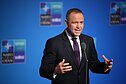
Lithuania must be prepared for potential threats, and although there are preparedness plans in place, they must be implemented in practice, President Gitanas Nausėda's chief national security adviser told reporters after the meeting.
Read more: Lithuanian president convenes Defence Council as Belarus moves to launch nuclear plant
“Lithuania holds the consistent position that the Astravyets nuclear power plant poses a threat and that Lithuania has to inform the international community about possible safety violations and seek to ensure safety and security in the region and in Lithuania,” Darius Kuliešius said.
Lithuania considers the Astravyets plant a threat to its national security because it was built in violation of international environmental and nuclear safety requirements as well as international conventions, and the requirements of stress test recommendations have not been implemented, according to the adviser.
The State Defence Council also discussed ways to prevent electricity from unsafe facilities in third countries from entering the Baltic market, he said.
It was reported on Thursday that Russia's state-run nuclear corporation Rosatom is planning to physically launch the reactor at Astravyets in early August.

“Among the main news at foreign construction projects, I'll note Belarus, where we're working hard on obtaining permission to carry out the reactor start-up. We expect that it will take place in the first days of August,” the Interfax news agency cited Rosatom CEO Alexei Likhachev's statement posted on the company's website.
The facility will have two Russian-made VVER reactors with a capacity of 1,200 megawatts each. It is located in the region of Grodno, about 50 kilometers from Vilnius and less than 30 kilometers from the Lithuanian border.
Vilnius is the biggest critic of the Astravyets plant and is determined to boycott its electricity. Minsk denies that the facility fails to meet international safety standards.
The State Defence Council, which is made up of the president, the prime minister, the parliament speaker and several other officials, also discussed civil safety measures to be put in place.
“We are talking about food reserves, cleansing equipment, training the population, resettling them to safe locations – we must take care of the resources,” said Interior Minister Rita Tamašunienė.
Read more: Baltic states moving towards agreement on Belarusian electricity ban, president says

Newsletter
Every Friday morning.