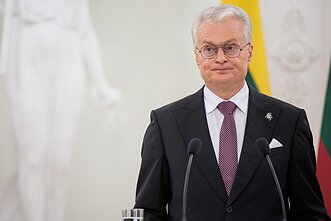








Lithuania continues talks with Estonia and Latvia on boycotting electricity from Belarus' Astravyets nuclear power plant, according to President Gitanas Nausėda.
“Let's be patient. Negotiations are a process that doesn't end when one wishes them to or when a proposal is put forward, because this proposal must be approved by all parties,” Nauseda told reporters on Thursday.
In protest of the construction of the plant, which it deems unsafe, Vilnius has legislated a ban on importing electricity from Belarus. However, for the boycott to be effective, Lithuania seeks that the other Baltic states join it.
“I've been actively involved in this process. Yes, we've given instructions to [Energy] Minister [Žygimantas] Vaičiūnas [to seek] that Lithuania's position is stronger and a deal is reached among the Baltic states on the issue,” Nausėda said.
The president noted that the European Commission got involved in the talks, too. “The negotiators are currently discussing and coordinating the initial proposals.”
He added that he did not want to comment any further so as not to compromise the negotiations.
“I think we'll have the result,” he said.

Importantly, the negotiations must not undermine the Baltic states' plans to disconnect their electricity grid from the Russia-controlled BRELL network that also includes Belarus.
“In this tactical marathon of negotiations, we must not forget what we are striving for. [...] Full energy independence from the eastern electricity grid by disconnecting from it and connecting to the continental European grid,” the president said.
A deal on boycotting electricity from the Astravyets plant “is our direct path to the success of the synchronisation process”, who would otherwise be longer and more complicated, he added.
Baltic energy ministers and EU Commissioner for Energy Kadri Simson discussed electricity trade with third countries on Tuesday in Brussels.
Simson said in a brief tweet that she was meeting with the Lithuanian, Latvian and Estonian energy ministers “to discuss the latest situation in the Baltics regarding the synchronization and nuclear safety”.

Review of ties with Minsk
Nausėda also said on Thursday that Lithuania might review its policy of closer ties with Belarus, unless Minsk stops persecuting political opponents.
According to the president, the decision to reopen “a dialogue” with Belarus, made after he took office a year ago, is in line with changes in the policy of the United States and the European Union toward Minsk.
However, Lithuania draws “red lines” when it comes to safety at the Astravyets nuclear power plant and human rights, he said.
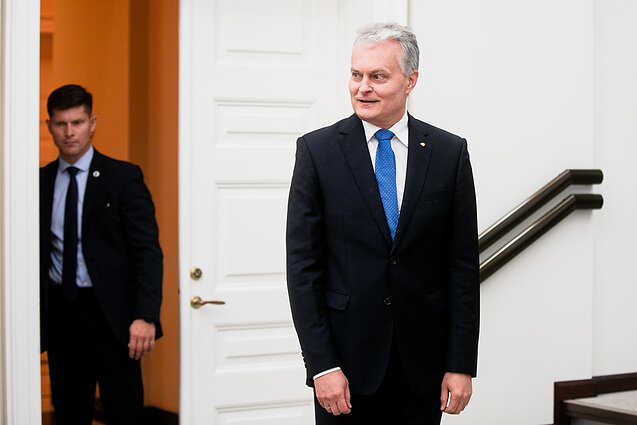
“We are trying to help Belarus gain more independence [from Russia] and sovereignty if this is what they are sincerely striving for,” the president said at his annual news conference. “I believe such a policy makes sense, but it requires one thing – these red lines must not be crossed.”
Many critics of Belarusian President Alexander Lukashenko have been arrested in recent weeks and popular opposition activists have faced significant hurdles in their efforts to run against the authoritarian leader in the upcoming presidential election.
Lithuania is the most vocal critic of the Astravyets plant located some 50 kilometers from Vilnius, saying that the facility fails to meet international safety standards, an allegation that Minsk denies.
After being sworn in as president last July, Nausėda had a phone conversation with Lukashenko and Foreign Minister Linas Linkevičius paid a visit to Minsk.

Newsletter
Every Friday morning.