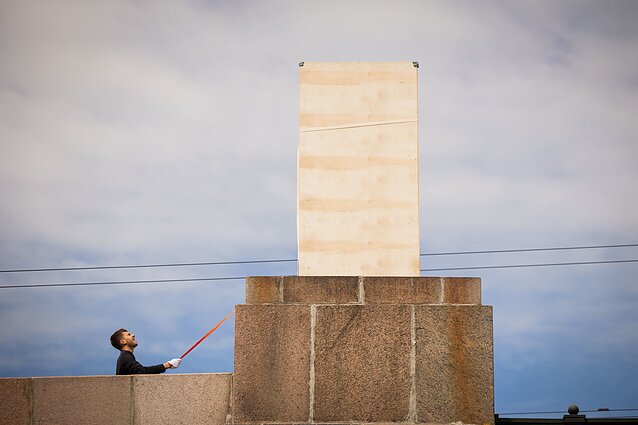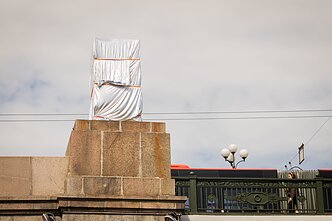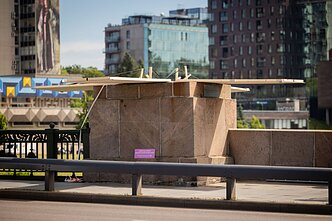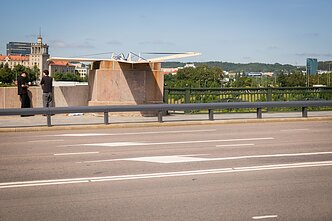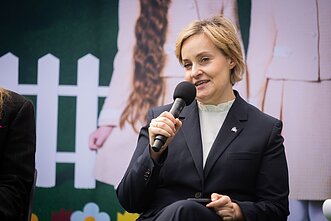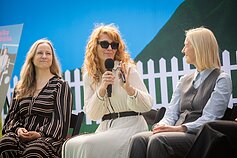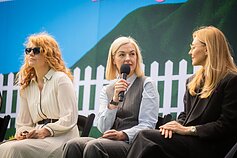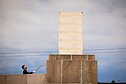











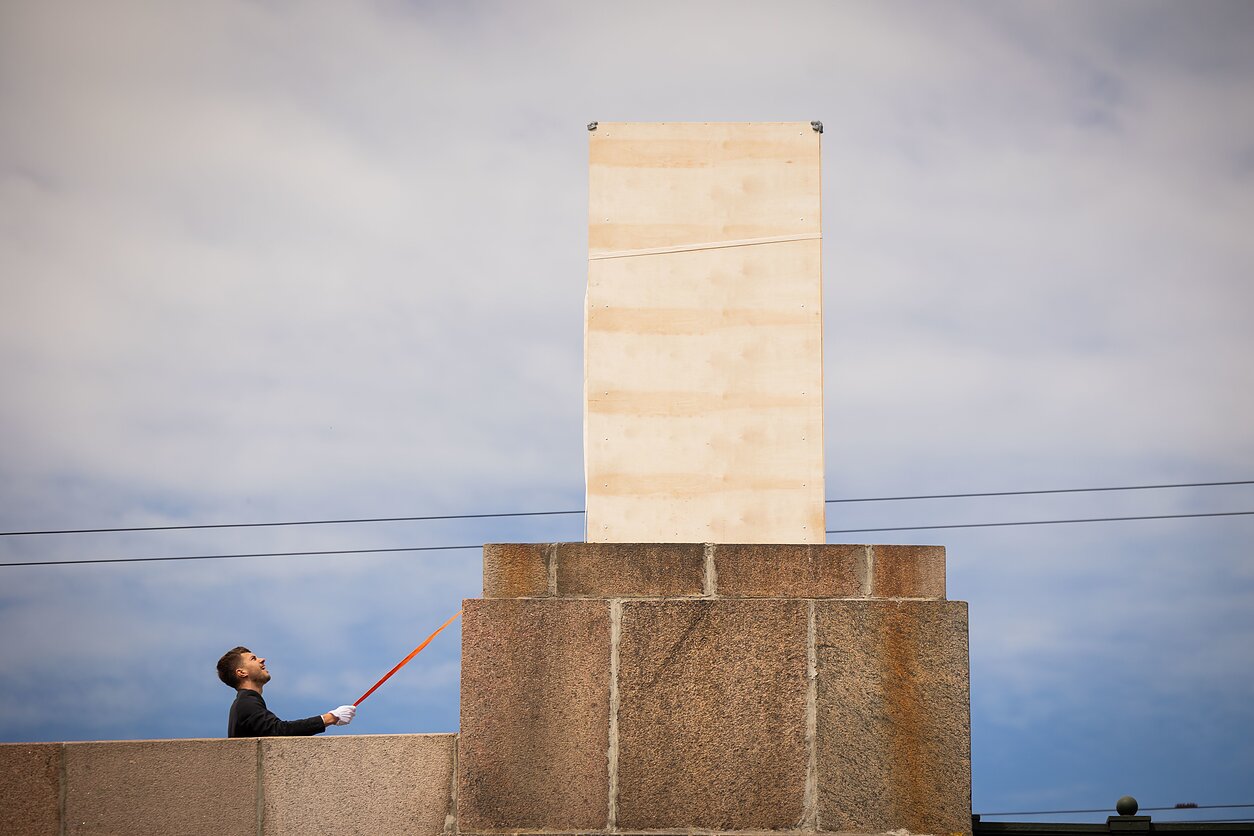
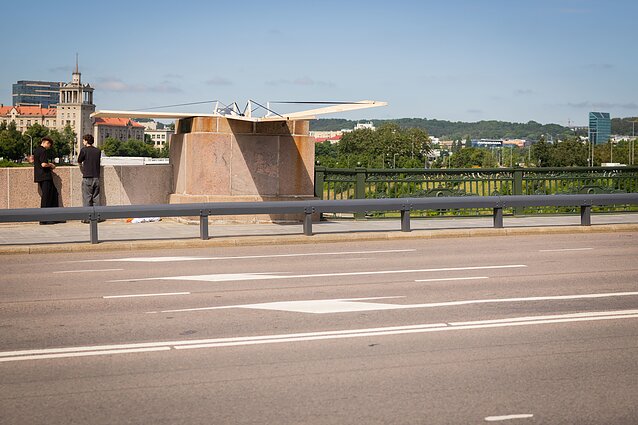
Sculptures for perfect children were unveiled on the Green Bridge in central Vilnius on Thursday. But when the boxes concealing said sculptures were lifted away, there was nothing underneath.
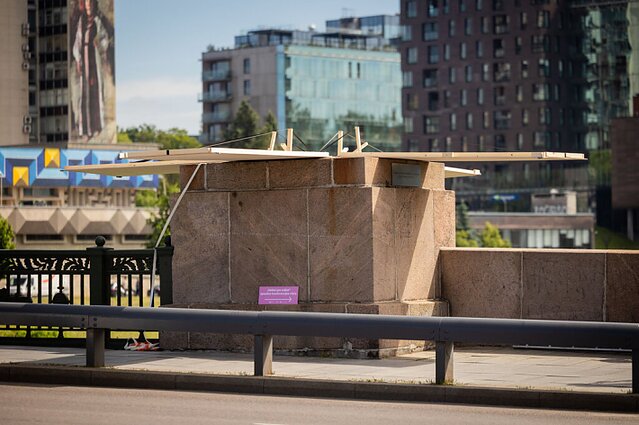
As organisers say "there are no perfect children, but there are children who need us."
The installation was intended to encourage people to consider becoming foster carers.
"There truly are no perfect children – there are children who need us, adults, regardless of whether they are a child without parental care or a child growing up in our own families.
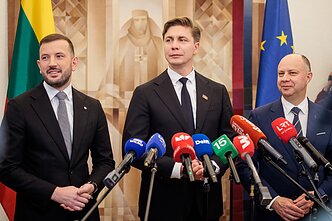
Everyone needs attention, everyone needs love, and everyone needs a connection with an adult who can ensure they feel loved," said Ilma Skuodienė, director of the State Child Rights Protection and Adoption Service, at a press conference accompanying the unveiling. She added that there are no perfect adults either.
The scale of the challenge
Lithuania currently has 938 children living in residential care homes – institutions rather than family settings. That figure has been falling: at the end of 2025 there were 995, and at the end of 2024 there were 1,118.
More than 3,000 foster carers across the country are currently looking after over 4,600 children.
Rita Grigalienė, deputy minister of social security and labour, said attitudes towards foster care were improving and society was becoming more empathetic, but that more progress was needed.
In Vilnius, the picture is particularly acute. The city has signed the most emergency foster carer agreements in Lithuania – 38 – but around 100 would be needed to fully guarantee children's safety in crisis situations.
There are currently 195 children in institutional care in the capital.
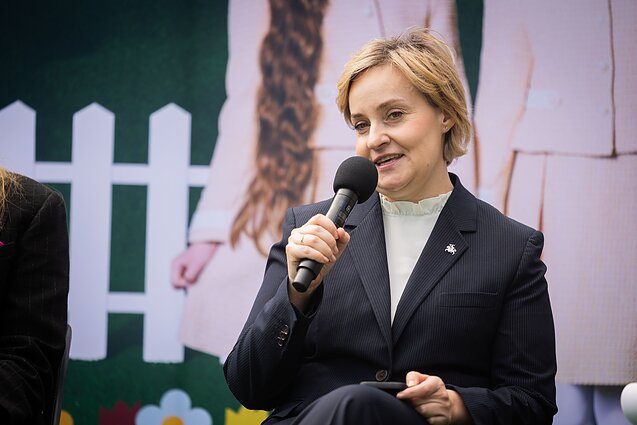
"We calculated what the typical profile looks like of a child living in institutional care in Vilnius," said Vilnius deputy mayor Simona Bieliūnė. "The average age is 14 to 15. We no longer have small children waiting for foster carers – we have children in early or mid-adolescence who also want to live in families."
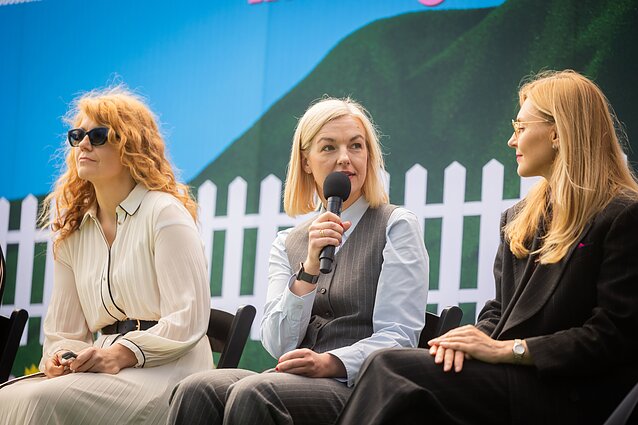
She said that prevailing attitudes towards teenagers were themselves part of the problem. "Our own assumptions are one of the reasons we sometimes hesitate to become foster carers, out of fear or preconceptions about these adolescents who are still waiting for a home. I think it would do each of us good to reflect on how we treat not only teenagers who have lost parental care, but teenagers in general, how we see them."
The myth of the perfect child
The campaign also drew on a new survey by polling firm Norstat, which found that only 42% of Lithuanian residents agree that there is no such thing as a perfect child. The remaining 58% described their idea of a 'perfect child' as one who behaves well (31%), does well at school (24%), always obeys their parents (21%) and has no bad habits (16%).
Rugilė Ladauskienė, project manager at the child rights advocacy foster care network Vaikai yra vaikai (Children are Children), said such expectations missed what was really going on.
"A child's behaviour is only the tip of the iceberg. Underneath lie unmet needs. If we have a child who is misbehaving, we must act like detectives – identify the need, meet it, and the behaviour will change. A child needs to feel seen, valued, that someone cares about them and that they matter to someone," she said.
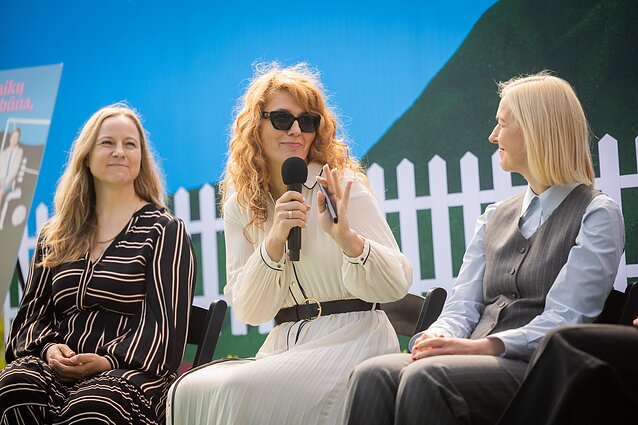
The same survey found that 36% of parents said they spend quality time together with their child to meet their emotional needs, 31% hug their child and tell them they love them, and 29% talk at length about how their child is feeling.
Who is considering fostering?
The Norstat survey, carried out between May 27 and June 3, found that roughly one in four respondents said they had considered or were considering becoming a foster carer. Those most likely to have considered it were parents of two or three children, aged between 30 and 39, living in Kaunas or the Alytus region.
According to child welfare experts, foster carers are hardest to find for teenagers, larger sibling groups and children with disabilities.

Newsletter
Every Friday morning.