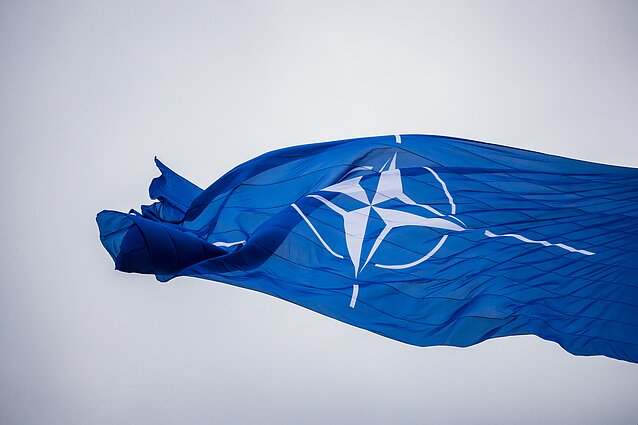
















NATO defence ministers have agreed to modernise the alliance's nuclear deterrence capabilities and strengthen planning expertise, following a meeting in Brussels on June 17-18.
The gathering of NATO's Nuclear Planning Group issued its first public statement in 19 years, affirming that the allies' strategic nuclear forces remain the cornerstone of the alliance's security and deterrence architecture.
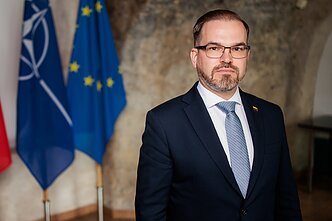
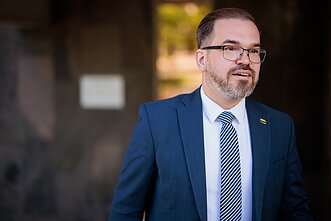
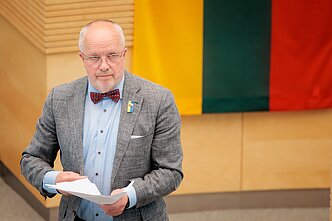
Lithuania's Defence Minister Robertas Kaunas, who attended the meeting, said the increase in defence spending by European nations and Canada marked a significant step towards fairer burden-sharing within the alliance. He called on allies to accelerate capability development.
"We are determined to ensure real defensive capabilities, practically our country's entire wartime structure is assigned to the implementation of NATO defence plans," Kaunas said. "This demonstrates a clear commitment to collective security and regional strengthening."
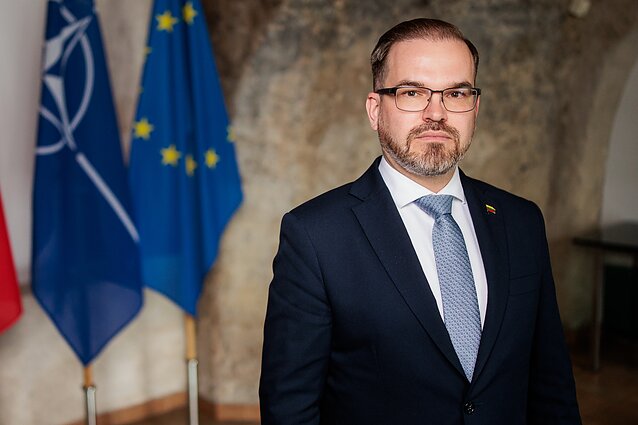
Lithuania is currently among the alliance's highest defence spenders, committing 5.38 percent of gross domestic product to defence, well above NATO's two percent benchmark. Half of that sum is allocated to major equipment purchases, a signal Kaunas said was intended to encourage the defence industry to expand production and invest in new technology.
On the sidelines of the Brussels meetings, Kaunas held talks with French Defence Minister Catherine Vautrin and Swedish counterpart Pål Jonson. Discussions covered capability acquisitions, bilateral cooperation, anti-drone measures and Lithuania's prospective purchase of CV90 infantry fighting vehicles.
Ministers also addressed long-term support for Ukraine at a meeting of the NATO Ukraine Contact Group, with Kaunas urging allies to maintain a stable and sustained commitment. Maritime security in the Strait of Hormuz was also on the agenda.

Newsletter
Every Friday morning.