








LRT English Newsletter – June 19, 2026.
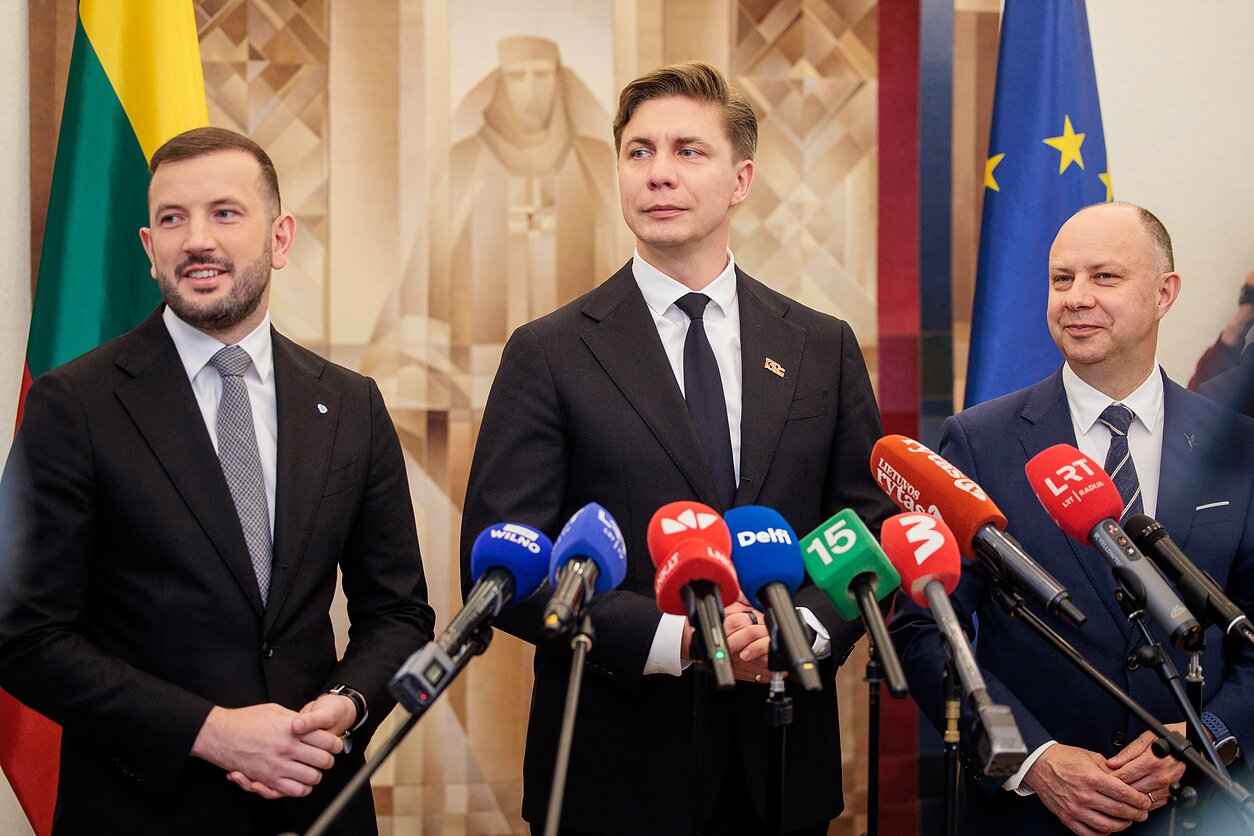
Lithuania is due to have a new prime minister – Mindaugas Sinkevičius (not to be confused with Virginijus Sinkevičius, the leader of the Democrats “For Lithuania” party and a coalition partner-to-be).
Mindaugas Sinkevičius spent most of his career in local politics, only briefly holding a ministerial post in the 2016–2020 government led by the Farmers and Greens. He was later embroiled in the expenses scandal and was found guilty, before being ultimately cleared of charges by the supreme court. In the meantime, he went into business, with those links continuing to stalk him back to politics. Read more about him here.
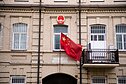
On the foreign policy front, he questioned the effectiveness of sanctions on Belarus (adding that Vilnius will maintain a joint position with Brussels and stay in contact with the US about it), and called for a pragmatic approach to China. The outgoing, Social Democrat government has now allowed Beijing to open a downgraded diplomatic office, which a senior MP called “a bow to China”. However, the update was quickly downplayed by the PM and the Foreign Ministry. Read more here.
RULING COALITION TO BE
Sinkevičius will find himself heading the new coalition, which will see the return of Democrats “For Lithuania” – who withdrew over conflicts with Nemunas Dawn following PM Gintautas Paluckas’ resignation last year – and the same Farmers and Greens and Christian Families Union group. The new government should assume their posts in the next several weeks.
(Three PMs, three governments in less than three years. Nice going, Lithuania.)
FLEEING EAST
Covid-era protests produced some prolific figures who describe themselves as anti-systemic, but often do little more than spread pro-Russian narratives (or straight-up work with Kremlin-linked funds). There were two updates surrounding such figures – one was sentenced, another fled to Belarus.
PRESIDENT’S SPEECH
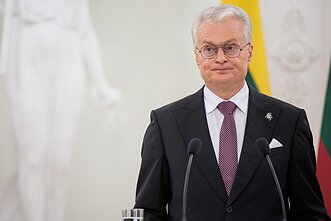
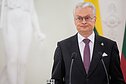
Gitanas Nausėda delivered his annual speech, which he led with the air alert and followed with jabs at Nemunas Dawn and the Conservatives, as well as LRT protests. The speech leaned heavily on defence and that peace was no longer a sure thing, as well as outpouring of support for Germany, Poland, the US, and not-paper-tiger-NATO. He also welcomed the coalition reshuffle.
BANNING MUSICIANS?
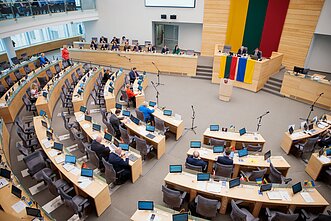
Lithuania’s parliament is now mulling banning the entry of foreign musicians who have performed in Belarus or Russia since the February 24, 2022, invasion of Ukraine. The bill failed to pass its first reading before, but now managed to clear the first hurdle after being reintroduced to the Seimas floor.
Passing the law would provide clarity in cases that previously caused an uproar, when promoters invited people to perform in Lithuania who had openly supported the Minsk and Kremlin regimes. Vilnius, for example, wanted to ban several artists from performing in the city, but lacked the legal means to do so.
Besides obvious legal challenges the law would bring, as highlighted by the Justice Ministry, there could also be more dilemmas. For example, Lithuania has always been an outpost for musicians fleeing persecution in Belarus and Russia. So, what’s going to happen with them if they staged performances at home since the February 2022 invasion? Just a thought.
RADIO HISTORY REVISITED
We marked the 100th anniversary of Lithuanian radio, which began with the famous words, “Hello, hello, Lithuanian Radio, Kaunas”. If you’re feeling nerdy about the topic, our colleagues prepped some great articles to dive into – from the personalities that shaped what is now known as LRT RADIJAS to the propaganda-laden history of the medium in Lithuania and Europe.
DEFENCE UPDATES
Here are this week’s defence updates:
– The defence hub near Jonava should house six factories.
– A Lithuanian state ammo company has started making anti-drone rounds.
– Lithuania is moving to ban firms linked to Belarus, Russia from operating at critical infrastructure sites.
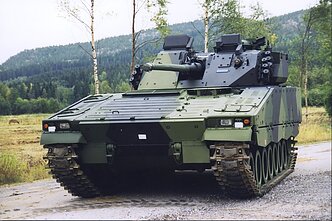
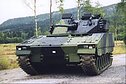
– Lithuania has signed a procurement deal to buy 100 CV90 infantry fighting vehicles.
– Several dozen troops will assist in guarding critical energy infrastructure sites amid Russia’s increasingly hostile rhetoric.
3% OF GDP IN CASH
Since Lithuania’s second-pillar pension reform, over 500,000 people withdrew 3 billion euros from the fund, or 3 percent of the country’s GDP. Some of that cash was reinvested, but the majority remained in the bank accounts. Around 860,000 remain in the system,
EDITOR’S PICKS:
– Pushbacks on Lithuania-Belarus border are going nowhere.
– When TikTok gets you in trouble.
– Lithuania is dismantling RBMK-type reactors, for the first time in the world. Yup, same ones as in Chernobyl.
– And it’s not looking good for our apple season.
Written by Benas Gerdžiūnas
Edited by Agnė Toločkaitė

Newsletter
Every Friday morning.