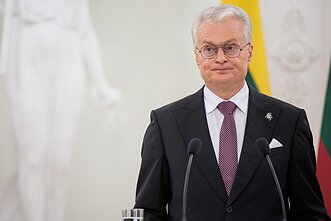



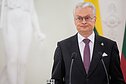





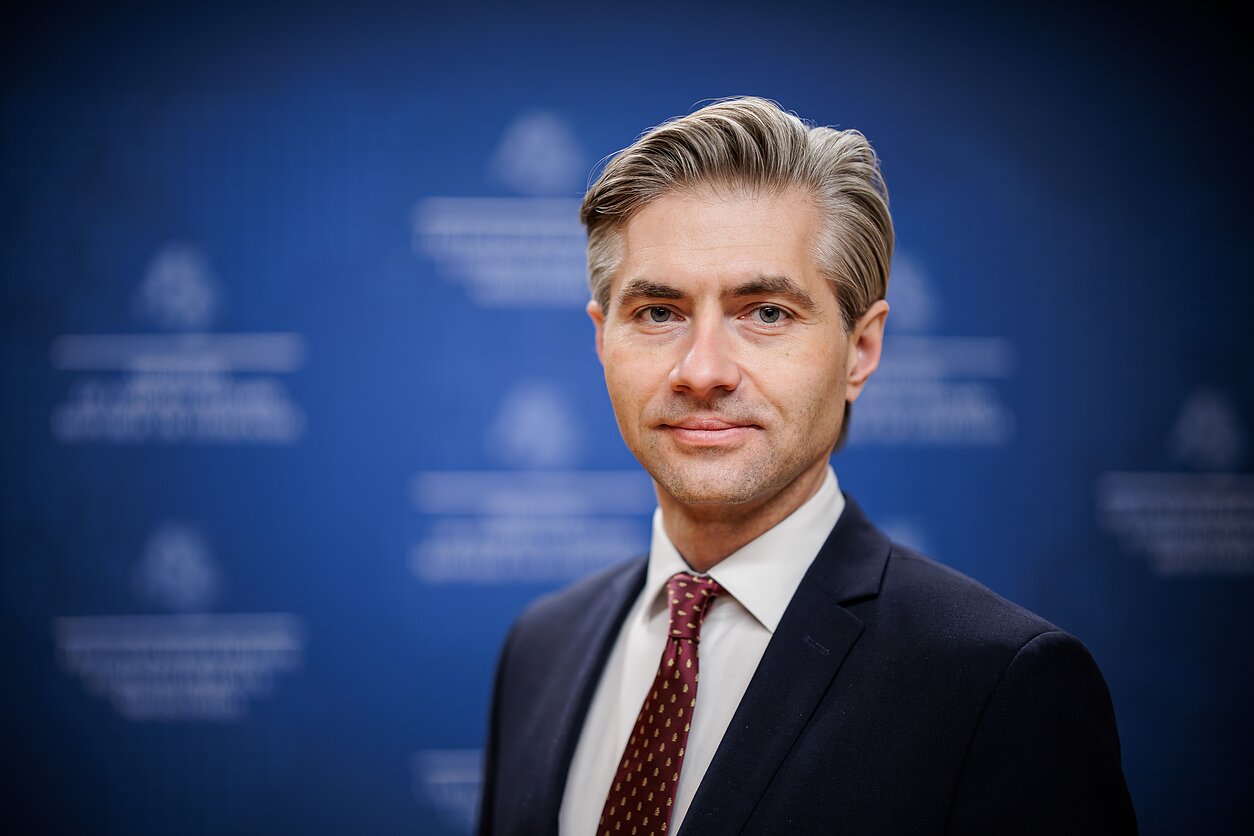
Lithuanian President Gitanas Nausėda has said the future of Foreign Minister Kęstutis Budrys in his post will depend on progress in two areas: normalising relations with China and delivering on commitments made to Taiwan.
"Certain results must be put on the table," Nausėda told reporters in Brussels. "If they are satisfactory, everything will be fine and I hope that Budrys will be able to continue in office. If not, then we will look at the matter differently."
The president said he regarded Budrys as a good minister and sought to distance him from other criticisms that have been levelled at him within the ruling coalition.
"I distance myself from all other aspects, which are sometimes the real reason why Budrys' work is criticised," he said, without elaborating. "We must be guided primarily by the interests of the country."
Nausėda added that he and the foreign minister had not diverged on any fundamental point of Lithuanian foreign policy.
Budrys, who is non-partisan, previously served as the president's chief national security adviser before being appointed to the role. He has faced repeated criticism from within the ruling Social Democratic-led coalition, with some members accusing him of continuing the foreign policy line of the previous Conservative government rather than implementing the new administration's programme.
Recent criticism has focused in particular on what some see as insufficient efforts to restore diplomatic ties with China, and on remarks Budrys made about NATO's potential to strike the Russian exclave of Kaliningrad. The minister himself has said that relations with China are not currently his top foreign policy priority.
Nausėda said he planned to discuss the futures of Budrys and other ministers next week with Mindaugas Sinkevičius, the Social Democratic party leader and candidate for prime minister.
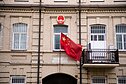
Lithuania's relations with China deteriorated sharply in 2021 after Vilnius allowed Taiwan to open a representative office under its own name rather than the usual 'Taipei' formulation, a move Beijing viewed as implying recognition of Taiwanese statehood. China subsequently downgraded diplomatic ties and imposed informal trade restrictions.

Newsletter
Every Friday morning.