













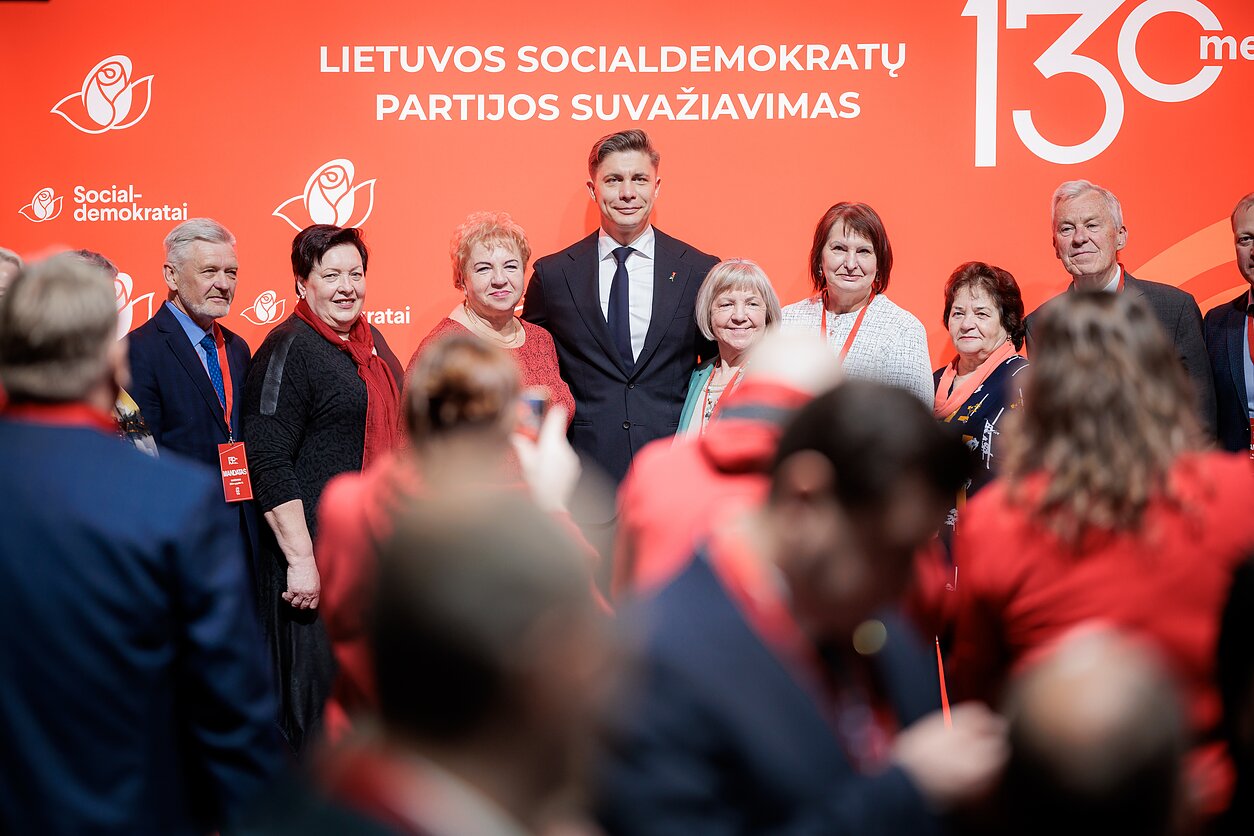
Lithuania’s Social Democratic Party announced Saturday that it was pulling the plug on the current coalition. Here’s what you should know.
Why did the coalition collapse?
All fingers are pointing at the populist Nemunas Dawn party in government. The cited reason in the divorce letter seen by reporters was the failure to back the new military training grounds in Kapčiamiestis (despite assurances that they would).
The emphasis also fell on the destructive work of the Nemunas Dawn leader, Remigijus Žemaitaitis. Despite already being convicted of antisemitism, he continued to make inflammatory public statements and racked up more law enforcement investigations, including over claims that Lithuania’s independence from the USSR was a coup.
Meanwhile, the social democrats said they had hoped the populists would become more civic-minded and moderate their behaviour – a hope that ultimately proved misplaced.
The ratings could also be an obvious factor, with social democrats faring poorly in recent polls. With the municipal elections due next year, some political observers fear Nemunas Dawn could wreak havoc on the social democrats, especially in the rural regions.
What’s left quiet in this whole affair is the corruption allegations and potential links with Belarusian and Russian figures, as well as organised crime, in the Nemunas Dawn party.
Who will be in the coalition now?
The social democrats said they will launch talks with Democrats "For Lithuania", with the other minority partner, the Farmers and Greens and Christian Families Alliance parliamentary group, staying in the fray.
If you’re seeing deja vu, you’re not alone. Democrats “For Lithuania” were in government before. They pulled out after the previous coalition reshuffle when the former social democrat prime minister, Gintautas Paluckas, resigned amid an ongoing graft probe.
There were rumours that the social democrats wanted the Democrats to replace Nemunas Dawn already before, but the main obstacle was the party’s leader, Saulius Skvernelis. But he himself had to resign amid a different corruption investigation, paving the way for Virginijus Sinkevičius to take over the leadership.
(Virginijus shares the same last name as the social democrat leader, Mindaugas, but they are unrelated.)
The current MEP and former European Commissioner was more inclined to get back into bed with the social democrats, saying on Saturday that they were “ready to take responsibility for governing the country".
Will there be a change of ministers, the PM?
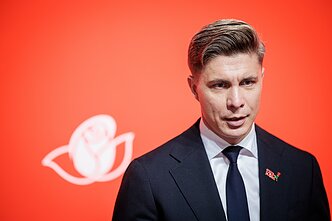
Mindaugas Sinkevičius, the social democrat leader, said on Monday there might be “one or two” ministerial changes. However, the main question hangs over the prime minister.
Following Paluckas' resignation, Sinkevičius continued in his role as the mayor of the Jonava region – he didn’t become an MP or take up a ministerial post.
But that could change.
Sinkevičius said he was not aiming to replace Inga Ruginieneė as the prime minister, but media reports indicate otherwise, with multiple sources saying he’s eyeing the post.
Other politicians, including the head of the other minority partner in the coalition, the Farmers and Greens group, also said Sinkevičius could replace Ruginienė.
What about the foreign minister?
The current foreign minister, Kęstutis Budrys, is the president’s man in the government, and Gitanas Nausėda might be looking to keep him there.
However, his rhetoric stood out from much of the rest of the coalition, especially when discussing re-engagement with Belarus. Namely, he kept pouring cold water over claims, including among the social democrats, that Lithuania could find a way to talk with the Minsk regime, or even resume Belaruskali transit via its territory.
On Saturday, the social democrat leader said that the Democrats’ head could become the new foreign minister. Sinkevičius also said on Monday he could take up a ministerial post.
So the race is on.
What now?
The coalition negotiators have been given two weeks to reach an agreement. Nemunas Dawn said this will give them a break, while President Nausėda also welcomed the reshuffle.
If all goes to plan, the new coalition will command a narrow majority of 75 votes in the 141-seat parliament, down from the current 80.

Newsletter
Every Friday morning.