














In the drawing rooms and servant quarters of 1930s Kaunas, a generation of young women from the countryside cooked and cleaned before disappearing from the historical record. A new book aims to bring them back.
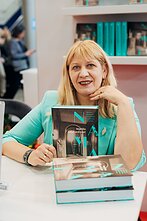
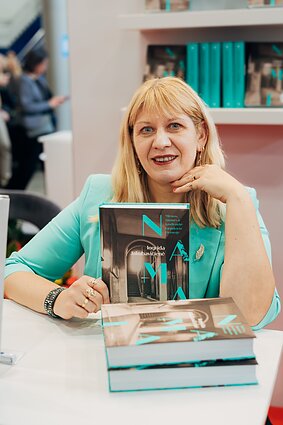
"The subject of domestic servants has until now been pushed to the margins," says Ingrida Jakubavičienė, historian and curator at the Museum of the Historical Presidential Palace of Lithuania in Kaunas. "When writers describe the families of the intelligentsia, they seem reluctant to acknowledge those girls – as though they were not there, as though hiring a maid had been somehow shameful."
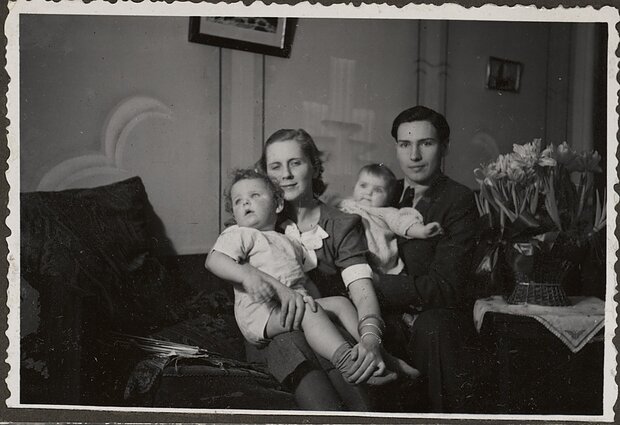
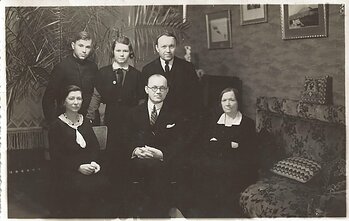
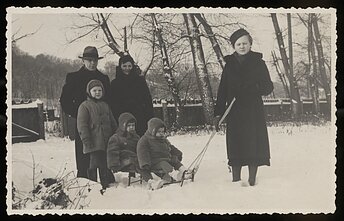
Having previously written about President Antanas Smetona and those closest to him, Jakubavičienė turns in her new book – Home: The City, People and Everyday Life in Interwar Lithuania – to the texture of daily life in wartime Kaunas. She opens the doors of the provisional capital's homes and flats, from the salon to the servant's room, weaving together the memories of those who lived there with architectural research and the press of the period.
A city reinvented
When Lithuania lost Vilnius to Poland in 1920, Kaunas found itself an unlikely capital – a provincial backwater with unpaved streets, open sewers, and livestock grazing in the town centre. Within a decade, it had been transformed into a modern European city.
"The secret of Kaunas's success was a shared, unified ambition between local government, central government, and the city's residents," Jakubavičienė says.
The arrival of foreign diplomats from 1921 onwards, and the rumours spreading across Europe about the city's poor condition, concentrated minds considerably. The first priority was basic infrastructure: running water and sewerage, which at the time were available in only a handful of buildings.
Strict municipal regulations followed, with substantial fines for non-compliance. Fences were repaired, façades repainted, dogs registered. Landlords were required to hire caretakers. The rules, the historian says, largely worked.
Only one initiative backfired: an order in the late 1930s to demolish wooden buildings in the city centre and replace them with brick ones. When Lithuania lost the Klaipėda region to Nazi Germany in March 1939, thousands of Lithuanian and Jewish refugees flooded into Kaunas – arriving precisely as the housing stock shrank. The resulting shortage caused widespread hardship and public anger.
What the interiors revealed
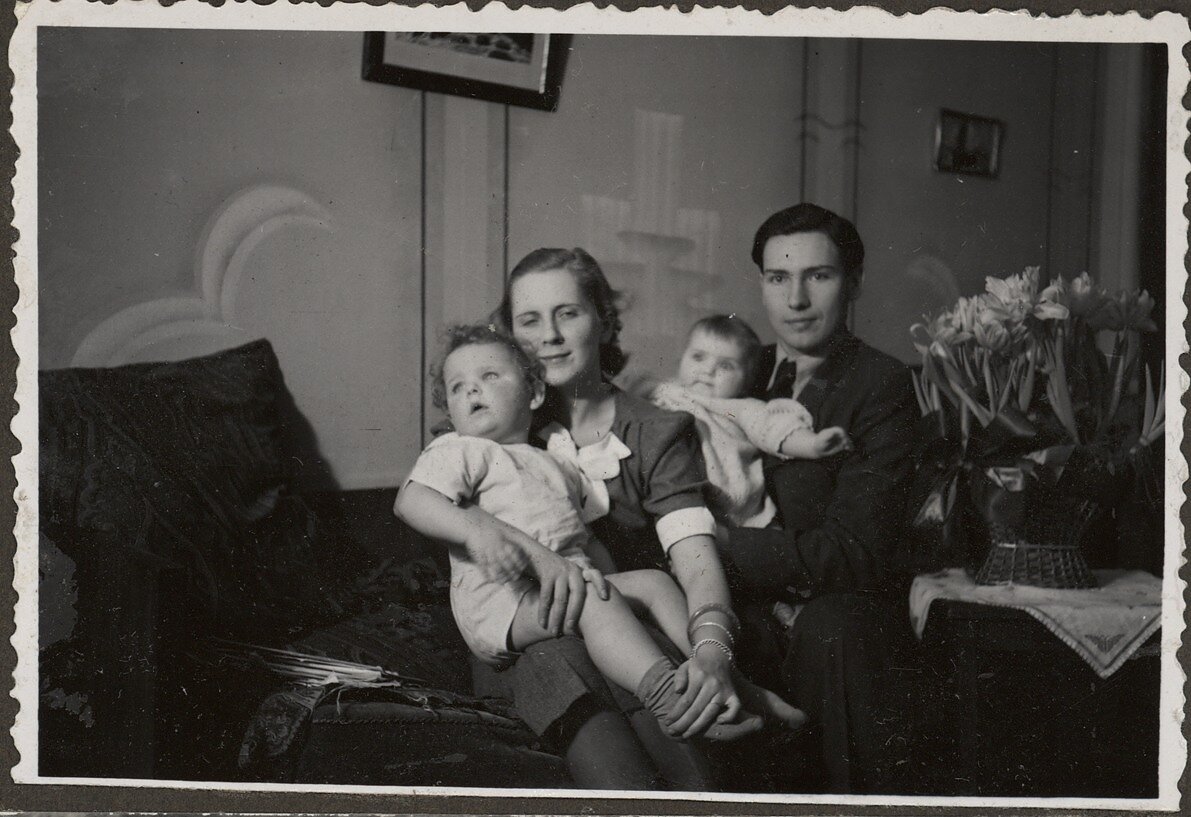
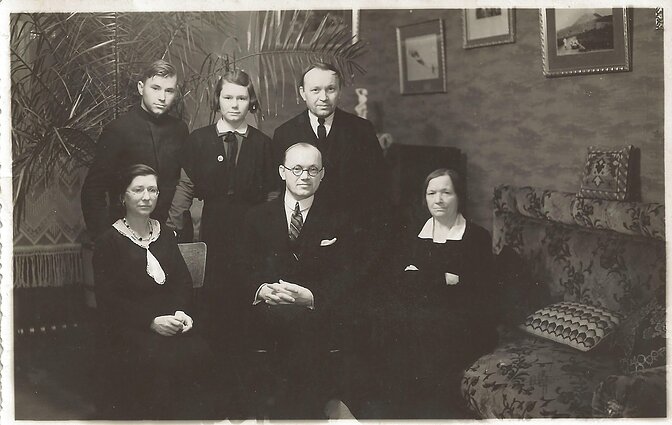
The homes of Kaunas's interwar intelligentsia were not, Jakubavičienė is keen to stress, places of luxury. A typical middle-class flat comprised a salon, a bedroom, a children's room, and a kitchen – sometimes a study or dining room. Furniture in the 1920s was often mismatched and makeshift, a consequence of wartime shortages; only from the mid-1930s did coordinated, architect-designed interiors become common, and even then only in wealthier households.
The intelligentsia prized national identity. They decorated their homes with Lithuanian paintings, family pictures, portraits of medieval Lithuanian rulers, images of Vilnius, the Vytis, the Lithuanian coat of arms, featured prominently. Magazines of the period urged readers to buy Lithuanian-made goods and folk art.
Since only families of considerable means could afford to commission bespoke Lithuanian furniture, a hand-woven rug, or an original painting, tablecloths and bedspreads woven by mothers and grandmothers in the countryside became fashionable markers of national feeling.
"It is gratifying that this tradition is returning today," Jakubavičienė observes, noting the current revival of interest in interwar Lithuanian furniture and traditional textiles.
One detail in the archive surprised even her: separate bedrooms for husband and wife were not merely common but actively recommended. Magazines of the 1930s ran photographs of paired single beds as the domestic ideal, with editorials arguing that quality sleep required sleeping apart. In practice, the acute housing shortage of the 1920s made such arrangements impossible for most families, who slept wherever space allowed, separated from one another by folding screens.
The women nobody wrote about
The author says she was most interested in researching and writing about the young women who made these households function – and who have been almost entirely absent from historical accounts.
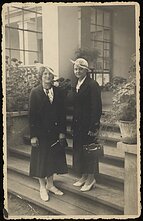
Domestic servants in interwar Kaunas were typically girls of 17-20, newly arrived from the countryside. They lived in their employer's home, slept in a small room off the kitchen, and were on call at all hours. After several years of service – having saved some money, learned the ways of the city, and acquired skills they could not have gained at home – most returned to their villages, where they generally married well. A smaller number spent their entire lives with a single family.
"It is difficult even to imagine how physically and emotionally exhausting that work was," the historian says. "A maid had to work and live in the same place, all the time."
The servants' relationship with their employers was often fraught. Memoirs describe demanding mistresses and the constant pressure to conform to a household's particular customs and expectations. Yet the same accounts also reveal women who knew the city intimately – which market sold the best coffee, where to buy vegetables, where to find fish.
One institution that caught Jakubavičienė's attention was the Society of Saint Zita, a Catholic organisation for domestic servants that functioned, she suggests, as something not unlike a trade union – offering solidarity, support, and a rare space of their own.
The inspiration for this strand of the research came from a Polish book, Służące Do Wszystkiego (Maids for Everything) by Joanna Kuciel-Frydryszak, which examined the lives of domestic servants in interwar Poland.
"I wanted to understand how many maids worked in Kaunas, what kind of women chose this work, and how their relationships with employers unfolded," Jakubavičienė says. "I wanted to show the home as it really was, with everyone who lived in it."
What homes tell us
For Jakubavičienė, the domestic interior is a more honest historical document than most official sources.
"Political events do not always reflect the will of the citizens, they are often shaped by a handful of political elites, or imposed from outside. But people build their homes themselves, according to their own values, their culture, their economic circumstances."
A home, she argues, is also an extension of the self. The emotional difference between describing a rented flat and a home one owns, she has found in memoirs, is palpable. "We build our homes not so much by filling them with objects we like, but because we want to become part of them."
She is less optimistic about what future historians will find. The interwar period, for all its upheavals, was one in which people wrote – diaries, letters, memoirs. Soviet occupation and deportations destroyed much of that record. Today, she suggests, the habit of private reflection has given way to the consumption of other people's lives on social media.
"Perhaps in a hundred years, artificial intelligence, having access to vast amounts of data about how people lived, will be able to reconstruct detailed answers and images of our time," she says. "Otherwise it is hard to say what historians will study. There will be no paper letters, no diaries. One can only hope that newspapers, television and radio recordings will survive."

Newsletter
Every Friday morning.