












Lithuania’s economy grew 2.5% in the first quarter of this year compared with the same period a year earlier, according to data released by the national statistics agency. However, it contracted relative to the end of last year.
Gross domestic product, adjusted for seasonal and working-day effects, reached 19.8 billion euros at current prices, the agency said. Without those adjustments, annual growth stood at 2.1%.
However, compared with the fourth quarter of 2025, the economy contracted 0.4%, according to the State Data Agency of Lithuania.
The agency said the largest negative contributions to quarterly GDP changes came from construction, retail and wholesale trade, and transport and storage sectors.
Five banks operating in Lithuania had forecast annual GDP growth of 2.8% to 3.6% for January–March, while quarterly projections hovered around zero, media reports said.
In 2025, Lithuania’s GDP grew 2.9% year-on-year to 84.1 billion euros. In the fourth quarter alone, the economy expanded 3.1% year-on-year and 1.7% quarter-on-quarter.
Analysts cite weather, construction costs
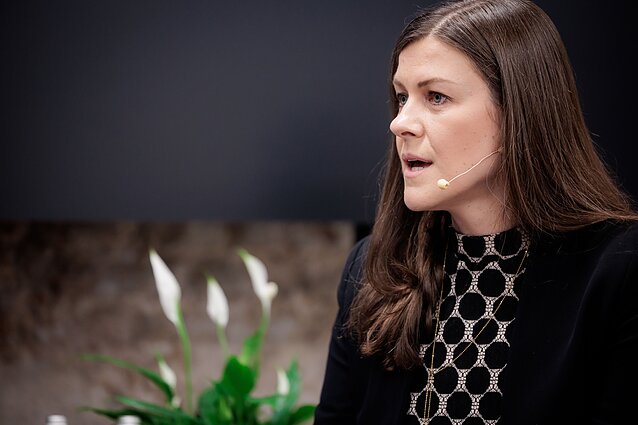
Indrė Genytė-Pikčienė, an analyst at Artea Bank, said a colder-than-usual winter and higher construction costs may have weighed on growth.
“We expected somewhat faster annual GDP growth in the first quarter because there was some momentum,” she told BNS. “The main reason likely comes from the cold winter conditions and more expensive activity in the construction sector.”
She added that transport, retail and wholesale trade also showed weaker results compared with the previous quarter, likely reflecting seasonal effects.
Genytė-Pikčienė said the annual growth rate was “relatively decent” and could be revised upward when more data becomes available.
“Growth usually accelerates once the second estimate is published,” she said, adding that early geopolitical effects had not yet significantly altered consumer behaviour in the first quarter.
She also pointed to strong retail sales growth and a solid industrial performance in March, suggesting firms may have accelerated orders and production ahead of potential geopolitical and inflation-related pressures.

Economists downplay slowdown
Nerijus Mačiulis of Swedbank said the slightly weaker quarterly figure should not be overinterpreted.
He said lower public investment could have contributed to the dip, while other indicators remain strong, including nearly 6% retail sales growth, more than 3.5% growth in manufacturing output, and near-record levels of housing transactions.
“These indicators show no signs of Lithuania’s economy running out of steam,” he told BNS, adding that quarterly fluctuations are common and do not signal a broader slowdown.

Newsletter
Every Friday morning.