






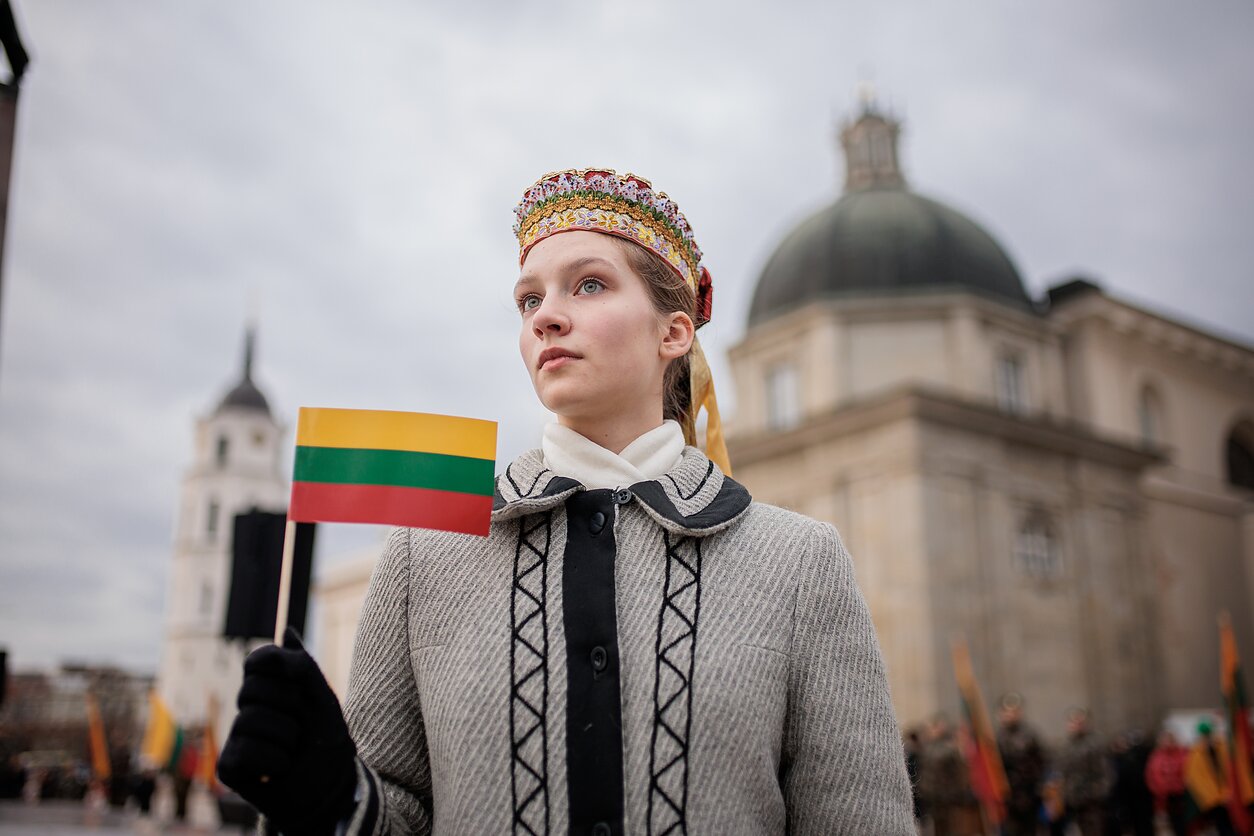
A study carried out in Germany at the end of last year found that most Germans’ knowledge of Lithuania is limited to surface-level facts. How can perceptions be changed, and what messages should be emphasised?
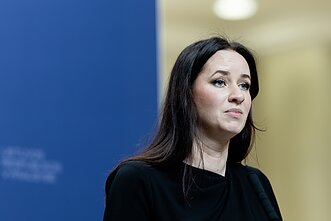
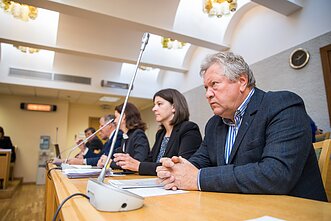
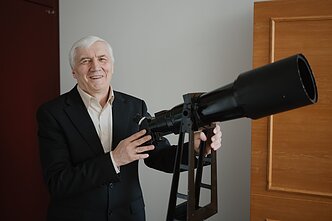
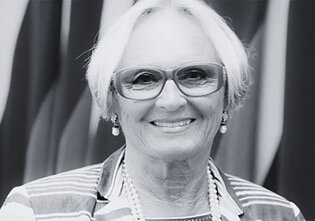
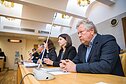
These questions were discussed on LRT RADIO by Eglė Kudzmanienė, chief adviser at the Lithuanian government’s communication department, Dalia Henke, head of the Lithuanian World Community (PLB) diaspora group, Gediminas Užkuraitis, head of Synthesis Consulting Group, and art curator Justė Kostikovaitė.
What was the sample size of the study?
Eglė Kudzmanienė: The study included 1,808 respondents. We decided to distinguish between western and eastern Germany and to analyse Berlin separately. We expected that opinions might differ by region, but the results showed that views of Lithuania are fairly uniform. The study is fully representative. We examined Lithuania’s awareness, image and reputation across six dimensions – people, heritage, governance, exports, tourism and culture.
Is there one dimension in which Germans know Lithuania best?
Eglė Kudzmanienė: Germans are most familiar with Lithuania through tourism, but we should not be too happy. The main problem is not awareness itself – 96% of Germans said they recognise Lithuania’s name. The issue is the depth of that awareness. Too often, people simply answer “don’t know”.
Around 25% of Germans know slightly more than just the name, 4% have visited Lithuania, and 52% say they would like to visit.
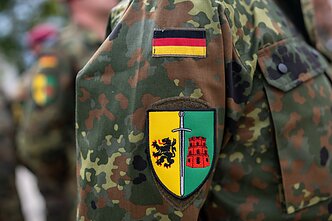
The study also asked about the presence of a German brigade in Lithuania. How is this viewed?
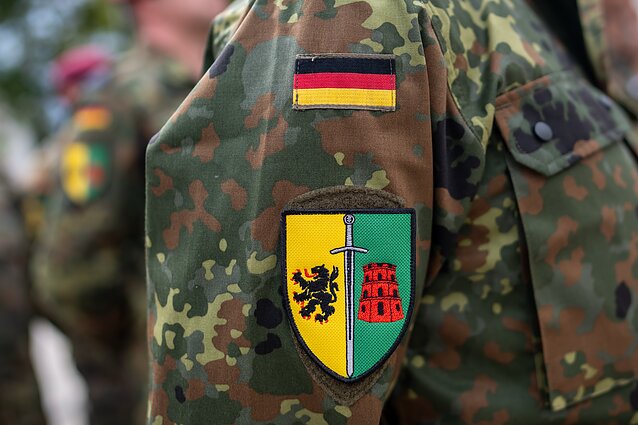
Eglė Kudzmanienė: Germans view the presence of their brigade in Lithuania very positively. They support it and understand their role as a NATO country.
Dalia, were you surprised by the findings?
Dalia Henke: I welcome the fact that such a study has been carried out. I have lived in Hamburg, Germany, for 34 years, and the results are encouraging.
After Lithuania declared independence, Germans still associated us with the Soviet period.
After joining NATO, the European Union and other organisations, Lithuania became an independent country that people want to visit.
The deployment of the brigade is a third stage. Germany has stationed its troops in another country. It is encouraging that we are seen as an independent and strong state. The change over 34 years has been enormous.
Do you agree that there is a kind of communication vacuum around Lithuania?
Dalia Henke: There is a real lack of a consistent and clear national narrative. Estonia is a good example – everyone knows it through the lens of digitalisation. We lack a continuation of our own story. We need to create conditions for informal ambassadors of Lithuania – members of the community – to carry forward our mission.
How can this communication gap be addressed in Germany, and where should we start?
Gediminas Užkuraitis: It is actually very simple. We have a story, but we are not telling it. A country’s image abroad is shaped by actions – actions influence people, and people expand that image. We do not have the resources for a communication campaign that would reach the whole country. But we can reach decision-makers who can amplify our message.
Politicians visit us and then speak about Lithuania when they return home. That is how an image spreads. We need to bring in as many people as possible who have their own platforms.
Justė, what role can culture play? Can it make a difference when only around 86% even know who we are and where we are?
Justė Kostikovaitė: I think low awareness can actually be an advantage, because the old logic of representation – based on a single narrative – no longer works in contemporary culture or is outdated. We can enter the cultural space with multiple narratives and separate them from a single, unified representation.
In art and culture, plurality and openness lead to more dynamic collaboration. We can invite professionals, researchers and artists to Lithuania and build awareness through long-term cooperation. We need to be ready not to present just one “correct” story.

Newsletter
Every Friday morning.