











Lithuania is preparing targeted support measures for vulnerable groups as concerns grow over a potential economic recession linked to military action in the Middle East, though officials say the impact so far remains limited to rising fuel prices.
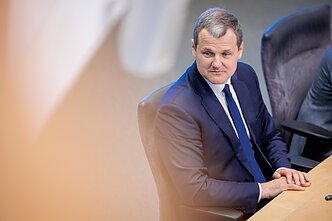
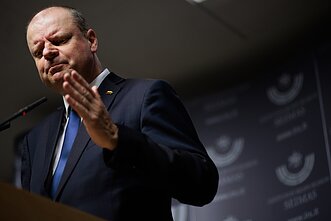
Finance Minister Kristupas Vaitiekūnas said Monday that the effects of the conflict are currently being felt mainly through higher fuel costs.
“All these shocks to the economy stem from an external factor – war – and Lithuania is preparing in case the situation turns into a prolonged or broader crisis,” Vaitiekūnas told LRT RADIO. “For now, the crisis is higher fuel prices, and that is all.”
He said the government is following guidance from institutions including the European Commission, the International Monetary Fund and central banks.
According to the minister, Lithuania is focusing on targeted measures for the most affected groups, rather than broad-based policies.
“One recommendation is not to compensate fuel price increases across the board, but instead to prepare targeted support, and that is what we are doing,” he said.
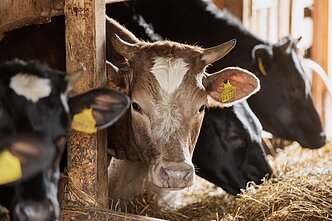
State development bank ILTE will begin offering subsidised working capital loans to farmers starting May 4, with 40 million euros allocated for the program. Additional loan schemes for businesses and export guarantees are also in preparation, Vaitiekūnas said.
He added that the government is also designing medium- and long-term measures that could support vulnerable groups and potentially lead to structural economic changes if the crisis deepens.
For now, there are no shortages of aviation fuel or diesel in Europe, he said, though much will depend on how the Middle East conflict evolves.
“Neither Lithuania nor any single European Union country can resolve such a crisis on its own,” Vaitiekūnas said.
Business leaders have warned of a looming downturn driven not only by rising fuel and commodity prices but also by the risk of energy supply disruptions. They are calling for government support to build reserves and secure supply chains.
Lithuanian Confederation of Industrialists president Vidmantas Janulevičius said industry needs tax relief or financial support to accumulate reserves, as well as state guarantees for companies seeking alternative suppliers.
He also called for further adjustments to diesel excise taxes and argued that reinvested profits should not be taxed.
In an effort to ease price pressures, Lithuania has already released 80,000 tons of oil from reserves held by Orlen Lietuva and temporarily reduced diesel excise duties for two months.

Newsletter
Every Friday morning.