








The Lithuanian government has approved draft legislation to establish a new military training area near Kapčiamiestis and submitted it to parliament, a move that would require some local residents to relocate and has sparked opposition in the community.
The proposed training ground would cover a territory roughly the size of the city of Kaunas, with parts of it designated for live-fire exercises. Under the plan, residents of 13 homesteads located within the firing range zone would be required to move out, with compensation of over 50,000 euros and reimbursement for property at replacement value.
Other residents within the broader training area would have up to five years to decide whether to remain or relocate. Those choosing to leave would be offered a 25,000-euro payment along with compensation for their property.

Ausma Miškinienė, mayor of Lazdijai, said the proposal reflects efforts to address residents’ concerns but acknowledged that further measures would be needed, including clear rules on infrastructure investment and compensation for businesses and nearby communities.
Still, some locals say they will not leave under any circumstances.
“I will not go anywhere from here,” said one resident, Antanas Margelis, adding he would only leave “if taken away by a tank.”
Defence Minister Robertas Kaunas said nearly 300 meetings had been held with the Kapčiamiestis community while preparing the legislation, but acknowledged that opinions remain divided.
Community representatives say key questions remain unanswered, including whether Lithuania needs a new training ground at all.
Residents who plan to stay say their main concern is the impact of military activity, particularly live-fire exercises, though some expressed hope they could adapt if disruptions such as road closures are limited.

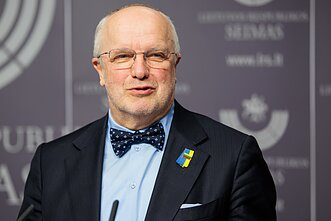
The proposal now heads to the parliament, Seimas, where lawmakers are divided. Remigijus Žemaitaitis, leader of the Nemunas Dawn party, said he supports compensation measures but questioned the necessity of the project.
The Defence Ministry says the training area could host up to 4,000 soldiers at a time and would be used for several large-scale exercises annually, alongside smaller, regular training activities.

Newsletter
Every Friday morning.