










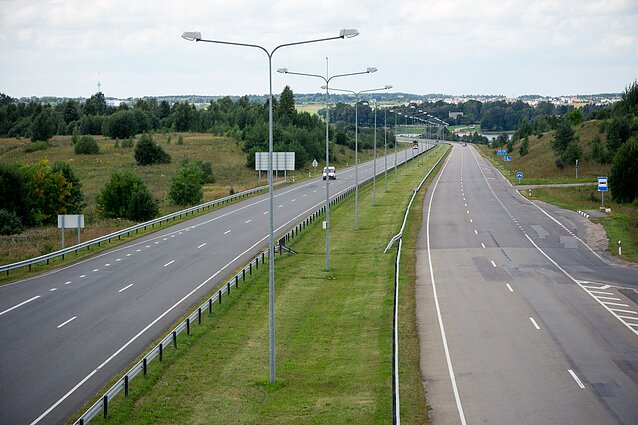
Lithuania’s road infrastructure is heavily worn after years of uneven funding and damage from heavy traffic, but the government is taking steps to address the problem, Transport Minister Juras Taminskas said Monday.
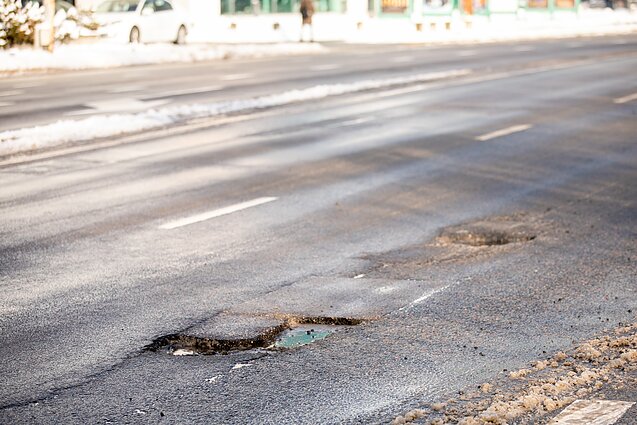
“Our road infrastructure is completely worn out and visibly deteriorated after this winter,” Taminskas said in an interview with LRT RADIO.
He said the situation is the result of several factors, including years of inconsistent funding, inflation and the growing strain caused by overloaded heavy vehicles.
“All of that together created the negative picture we see today,” Taminskas said, adding that the condition of the road network would be significantly worse this year without projects already underway.
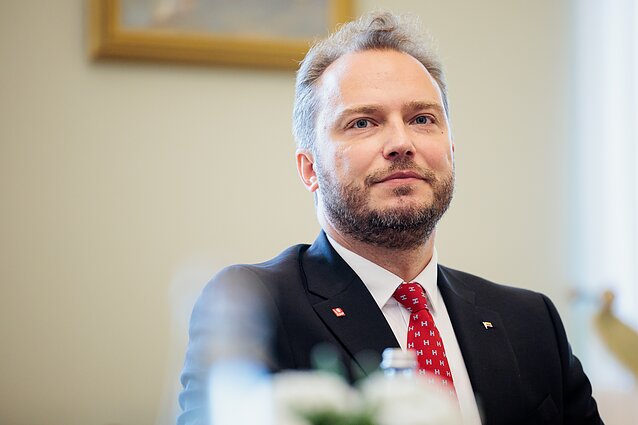
Among the measures being implemented are the establishment of a road fund and the rollout of an electronic tolling system for heavy vehicles.
However, industry representatives say investment levels remain insufficient. Šarūnas Frolenko, head of the association Lietuvos Keliai (Roads of Lithuania), said Lithuania typically renovates only about 2% of its roads each year, while the rate should be roughly double.
Lithuania’s network of nationally administered roads totals more than 21,000 kilometres. According to Frolenko, the top layer of road pavement typically lasts around 15 years and, at best, up to 20 years.
“That means we should be renewing at least 5% of the network annually. It’s simple logic,” he said.
Meanwhile, Martynas Gedaminskas, head of the state road management company Via Lietuva, said this year’s priority will be repairing bridges and overpasses.
More than 140 bridges and viaducts are currently in poor condition out of a total network of about 1,580 structures, he said.
The Lithuanian government has allocated 815.5 million euros for roads in the 2026 state budget.

Newsletter
Every Friday morning.